While many gallstones are harmless, some cause gallbladder inflammation, triggering pain and infections. While a healthy diet won't dissolve gallstones, it can help lower your risk of developing the stones and reduce symptoms once they form. Healthy eating can also help by promoting weight control. Avoid restrictive diets and rapid weight loss, however, which are a major contributor to gallbladder disease. Aim instead for a balanced diet based on nutritious foods, paired with routine exercise. If you're overweight, which also increases your risk for gallstones, lose weight gradually.
Fruits and Vegetables
Video of the Day
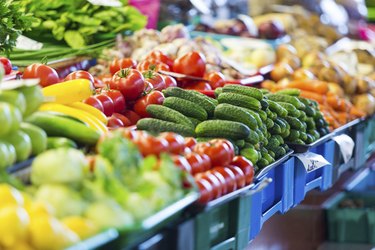
In a study published in the "Indian Journal of Gastroenterology" in May 2014, 71 people with gallstones were compared with people of the same age and gender without gallstones. Researchers found that participants who ate vegetables and fruits routinely were less likely to develop gallstones. A diet rich in fruits and vegetables may also lower your risk for symptomatic gallstones that lead to gallbladder removal. Fiber-rich foods may also provide protection. Particularly fiber-rich fruits and vegetables include apples, blackberries, pears and cooked broccoli and carrots.
Video of the Day
Whole Grains
One simple way to up your fiber intake is to replace refined grain products in your diet, such as white bread, instant rice and low-fiber cereals, with whole-grain alternatives, such as whole-grain bread, brown rice and oatmeal. Because nutritious components aren't stripped away during processing, whole grains provide more nutrients, including fiber. Fiber-rich foods may not only help prevent gallstones, but can reduce your symptoms once you have them, according to the University of Maryland Medical Center. Fiber also supports appetite and weight control. Additional nutritious, whole-grain foods include whole-wheat pasta, pearled barley and air-popped popcorn.
Nuts, Seeds and Oily Fish
A study published in the "Indian Journal of Community Medicine" in 2011 that analyzed the diets of 300 adults being treated for gallstones or other conditions showed a significant link between high saturated fat intake and gallstone disease. Nuts, seeds and oily fish, such as salmon, provide healthy alternatives to saturated fat-rich foods, such as high-fat meats and dairy products. The oil fish contains may be particularly helpful if you have high triglyceride levels because it helps your gallbladder empty more efficiently. Snack on moderate amounts of mixed nuts or seeds instead of chips or pretzels, and choose baked or poached fish over fatty meats.
Limited Sweets
Feeding your sweet tooth occasionally with a sugary dessert probably won't cause major harm, but an overall sugary diet increases your risk for gallstones and gallbladder disease. The "Indian Journal of Community Medicine" study showed a significant link between high refined sugar intake and gallbladder conditions. Limit your intake of particularly sugary items, such as soft drinks, pancake syrup, frosting and candy. More often, choose naturally sweet, nutritious fare, such as baked sweet potatoes dusted with cinnamon, unsweetened applesauce or fruit smoothies.
- University of Maryland Medical Center: Gallstones and Gallbladder Disease
- Indian Journal of Gastroenterology: Risk Profile for Gallstone Disease in Southern Indian Population: Is There Anything New?
- NYU Langone Medical Center: Bulking Up on Fiber
- University of Maryland Medical Center: Gallbladder Disease