

























































A Diet Plan for Pre-Diabetic Patients

A Diet Plan for Pre-Diabetic Patients
Photo Credit Vegetables and Fruits image by Piter Pkruger from Fotolia.com

If you've been diagnosed with diabetes, you're at a higher risk than nondiabetics of developing several cardiovascular and circulatory diseases. If you're pre-diabetic, however, you still have time to turn things around. Behavioral changes involving diet and exercise can help stave off diabetes. Knowing what to eat is an important part of preventing the disease.

Identification

Insulin and glucose are essential to metabolism. Glucose supplies energy for the body; if there is a deficit of glucose within cells, a state of cellular starvation can occur. Insulin is the vehicle by which the glucose can enter into working cells from the blood. In diabetics, there is a problem with the insulin-glucose process.

Diabetes falls into three categories: Type 1 diabetes, which involves an inability to produce insulin; Type 2 diabetes, in which the cells can't take in glucose because they can't recognize insulin or because the body is not producing enough insulin; and gestational diabetes, which occurs only during pregnancy. If you've been termed pre-diabetic, you're most likely at risk of developing Type 2 diabetes.

Significance

If glucose is unable to enter the cells, the blood becomes flooded with it. This creates high levels of blood glucose, a condition known as hyperglycemia. A combination of high blood glucose and cellular starvation can be damaging to the body. Complications may occur in the eyes, kidneys, nerves and heart. If steps are not taken to rectify the situation, you could be on medication for the rest of your life. If diabetes is left untreated, it can lead to death.

Dietary Guidelines

What you eat directly influences blood glucose. The American Diabetes Association recommends a diet in which 50 percent of calories come from complex carbohydrates, less than 35 percent come from fats and 15 percent come from proteins. Because of the increased risk of heart disease, it's smart to strictly limit the amount of cholesterol and fats consumed.

Food Choices

Choosing the right food is an important step to controlling blood glucose levels. Carbohydrates, whether complex or simple, break down into blood glucose. The glycemic index, which gives you an idea of any given food's direct effect on blood sugar, can be helpful in selecting the right carbohydrates. A food with a high glycemic index increases blood sugar more than one with a low glycemic index.

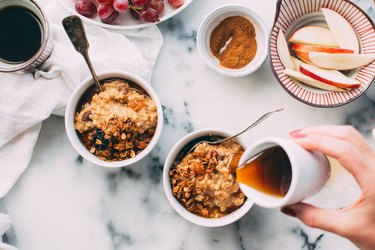
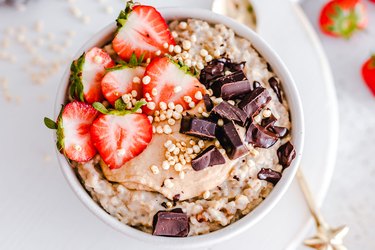
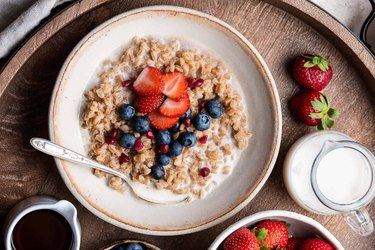
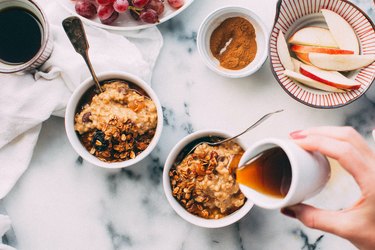
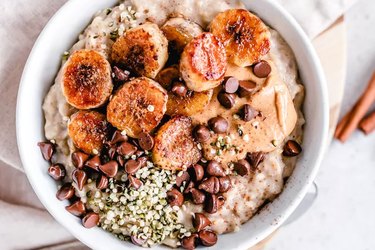
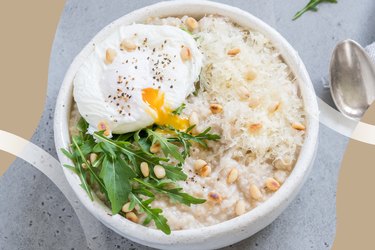
A healthy low-glycemic-index food is oatmeal. Not only does it place a low glycemic load on the blood, it is also a complex carbohydrate food. Complex carbohydrates are harder for the body to break down than simple carbohydrates. Because complex carbohydrates take longer to digest, they prevent a spike in blood sugar. Foods such as whole wheat bread, whole wheat pasta, vegetables, brown rice, beans and other legumes provide the body with glucose but also include protein and complex carbohydrates and aid in a steady, slow rise in blood sugar.

Meal Planning

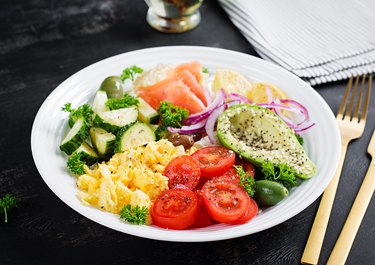
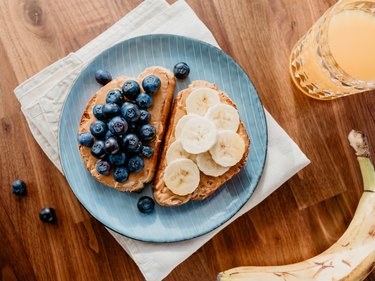
Meal planning can be a useful tool for helping a pre-diabetic eat the same amount of carbohydrates, proteins and fats every day. Good meal planning involves choosing staple proteins and complex carbohydrates for breakfast, lunch, dinner and snacks. A sample plan might include egg whites and toasted whole wheat bread with peanut butter for breakfast; grilled chicken with a small side salad for lunch; and a piece of broiled salmon with a side of brown rice for dinner.

References

Article reviewed by Zoe84 Last updated on: Sep 28, 2010

Must see: Photo Galleries