Acidic foods you consume in excess can lead to painful discomfort and, most commonly, acid reflux. There are many foods you can eat to reduce acidity in the body, but there are also certain lifestyle changes you should make to help manage stomach acid.
Read more: The 10 Worst Foods for Acid Reflux
Video of the Day
Video of the Day
Foods Low in Acid
If stomach acidity is too high, it may be due to excessive intake of acidic foods. To balance things out, eat some alkaline foods or foods that soothe your stomach.
According to AARP, foods that reduce stomach acidity include:
Green vegetables: They're naturally low in fat and sugar, so green vegetables are a good addition to a low-acid diet because both fat and sugar exacerbate stomach acidity. In addition to this, green vegetables are some of the most alkaline foods available. Alkaline and acid make up the two ends of the pH spectrum. The more alkaline a food, the more balance it can bring to stomach acidity. Asparagus, spinach, kale and Brussels sprouts are some of the most alkaline of green vegetables.
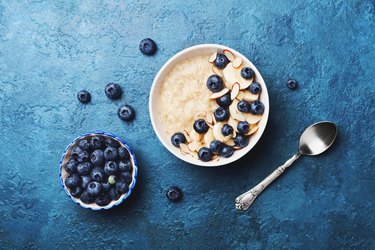
Oatmeal: When it comes to the health of the digestive system some of the most best foods to add are those that are high in fiber. This is because fiber helps prevent constipation and keeps you feeling fuller for longer. Oatmeal is a particularly good high fiber food and is beneficial in reducing acidity in the body. The fiber prevents food from spending too long in the stomach —
digesting more quickly can decrease the amount of acid produced.
Bananas: Similar to green vegetables, bananas are an alkaline food, meaning they help provide balance to stomach acidity levels. In addition to being alkaline, bananas provide a soothing effect; they actually coat the esophageal lining to reduce discomfort caused by excessive acidity. Bananas are also particularly high in a soluble fiber known as pectin, which (similarly to oatmeal) keeps food moving through the digestive process so excess acid cannot form in the stomach to break down more stubborn foods.
Yogurt: High in probiotics —
including Lactobacillus acidophilus
a particularly good bacteria naturally found in the digestive tract —
yogurt is an ideal food for the overall health of the digestive system, and it also gives a boost to the immune system. Yogurt provides a soothing effect for discomfort experienced by excess stomach acidity, similar to how bananas form a coating for the esophageal lining.
Melons: High in magnesium, melons are a beneficial addition to any diet when trying to reduce acidity in the body. Magnesium is a key ingredient in medications created to help with excess acid. In addition to this, they are a highly alkaline food, so they help provide balance to stomach acidity.
Foods That Reduce Esophagus Damage
More than your stomach may become damaged from the excess consumption of acidic foods. According to the Mayo Clinic, acid reflux can be caused by too much acid in the stomach and when this happens, acid flows up from your stomach through the esophagus. This can cause an uncomfortable burning sensation, and even may heighten the risk of esophageal cancer.
The best foods to preserve the health of the esophagus and minimize acid reflux include plant-based proteins, such as beans and nuts, and antioxidant rich foods.
Some of the foods highest in antioxidants include:
- Red/orange fruits
- Dark green vegetables
- Berries
- Apples
- Citrus
Warning
Oranges and citrus fruits (such as lemon) are among some of the most acidic fruits, and though they are also high in antioxidants they should be avoided if the stomach is particularly sensitive to acidity.
Read more: Signs of Too Much Acid in the Stomach
Highly Acidic Foods to Avoid
When it comes to too much acid in the stomach, eating more alkaline or soothing foods is certainly a proactive response, but perhaps the best way to decrease the amount of acid in your stomach is to avoid consuming it in the first place.
In addition to this, if you keep eating highly acidic foods, even with the increased intake of alkaline foods you'll only feel a limited amount of relief. Acidic foods must be eaten in moderation to adequately reduce the risk of discomfort and acid reflux.
According to University Hospitals, the worst offenders among acidic foods are:
Fried foods: French fries, onion rings and fried chicken are among the very worst foods that contribute to an acidic stomach. This does not mean you can't enjoy them in moderation, and you can still eat chicken without concern if it is oven-cooked or roasted as opposed to fried.
Chocolate: With its high fat, cocoa and caffeine counts, chocolate is perhaps the worst when it comes to stomach acid and acid reflux.
Tomatoes: Tomatoes are naturally high in acid, and this remains the case even if they're made into marinara sauce or ketchup —
even tomato soup. If stomach acidity is a persistent problem, you should avoid tomatoes and tomato products entirely.
Coffee and tea: Caffeine aggravates stomach acid (which is why you should stay away from chocolate) and can potentially result in acid reflux. For an alternative, try decaf coffee or caffeine-free teas to minimize any negative acidic side effects.
Carbonated beverages: Fizzy sodas are filled with bubbles that expand in the stomach, increasing pressure and strain that hinders the digestive process and may ultimately result in increased amounts of acid. Swap the soda for a fruit drink —
or, the best option, water, to reduce acidity.
Alcohol: It directly promotes the production of acid in the stomach, so you should avoid alcohol if possible. Pair the increased acid production with alcohol's dehydrating effect, and you'll see how it can only irritate your stomach acidity.
Peppermint: Though it's often hailed as a tummy soother, when it comes to stomach acid the opposite is true. If your stomach is predisposed to to acidity, peppermint will not be a soothing food or beverage of choice and will actually exacerbate discomfort.
The National Health Service of the United Kingdom notes that excess stomach acidity can often be handled through dietary management and other simple lifestyle modifications, but it may be necessary for you to add medication if the problem continues or worsens. If you have concerns regarding your own stomach acidity, contact your health care professional.