






























































How to Juice for Heart Health

How to Juice for Heart Health
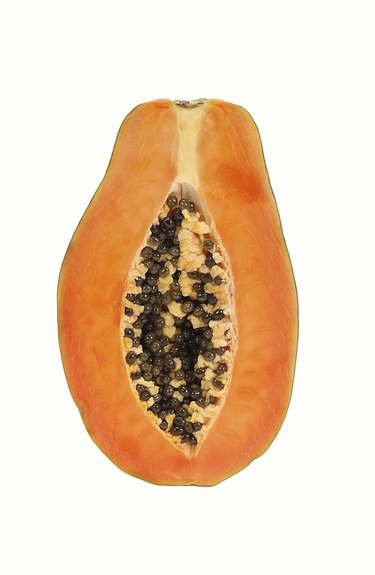
Photo Credit Pomegranates. Two pieces or halves of pomegranates image by L. Shat from Fotolia.com

Certain fruits and vegetables contain substances, such as antioxidants, that may be beneficial for your overall health. In particular, antioxidants may help to protect against free radical damage to your body's cells. Free radical damage may be a factor in cardiovascular conditions and other diseases, according to MedlinePlus. Although the regular consumption of fruits and vegetables will provide these nutrients, for some people, consuming the recommended daily intake of fruits and vegetables may be difficult. If you want to ingest these important nutrients on a daily basis, an alternative may be to start juicing for your heart's health.

Pomegranate Fruit Juice

Step 1

Cut each pomegranate in half with the knife, scoop out the seeds with the spoon, place them in the bowl and discard the rest of the fruit. According to MayoClinic.com, pomegranate fruit is a very good source of antioxidants, as it includes polyphenols that may be beneficial for heart health. Polyphenols are credited with lowering LDL cholesterol, which is also referred to as bad cholesterol.

Step 2

Place the juicer on a table, turn on the machine and put the seeds through the reamer. This can yield about a cup of pomegranate juice for your consumption.

Step 3

Transfer the juice to a glass and drink it. You may also store it in a container for later consumption.

Step 4

An alternate method of making pomegranate juice that will yield more juice is to use a blender, suggests Juicer Recipes Now. Remove the seeds from the fruit. Place the seeds in the blender, add 1/2 cup of water, blend the mixture and put it through a strainer. This will give you about 2 1/2 cups of juice. In a study presented in the "American Journal of Cardiology" in the September 2005 issue, researchers at the Preventive Medicine Research Institute studied the effects of pomegranate juice on ischemic coronary disease in a small group of patients. Their findings indicated that daily consumption of the juice during a three-month period was beneficial for this condition.

Tomato Medley Cocktail

Step 1

Wash the tomatoes, dice them and place them in a bowl. Tomatoes contain many nutrients, including the antioxidant lycopene. In a study found in the April 2005 issue of Free Radical Research, researchers from the Cardiovascular Research Center at the University of Connecticut School of Medicine investigating the effects of tomato and lycopene on coronary disease reported that tomato juice might have cardio-protective properties.

Step 2

Add the lemon juice and specified quantities of dried and ground tarragon and basil, paprika powder and turmeric powder to the bowl. You can also add other herbs or spices of your choosing for added taste.

Step 3

Place the mixture into a blender, add 1/3 cup of distilled water and liquefy it.

Step 4

Place a strainer over a container and pour the cocktail mixture into the container. Serve the beverage immediately or store the tomato juice in the refrigerator for later use. This drink may be beneficial for hypertension, suggests HolisticOnline.com.

Tips and Warnings

  • The amount of fruits and vegetables you consume daily can depend on your caloric needs. For people who require 2,000 calories per day to stay healthy, the daily dietary guidelines for servings of fruits and vegetables is approximately 4 1/2 cups, explains the Harvard School of Public Health. There can be other fruit and vegetable juices, such as grape juice, that you may want to include in a heart-healthy diet.
  • Although vegetables and fruits are important in a diet, you should seek the advice of your doctor before self-treating your medical conditions with any types of alternative treatments.

Things You'll Need

  • Juicer
  • 5 pomegranates
  • Knife
  • Spoon
  • Bowls
  • Glass or containers
  • 1/2 cup water
  • Blender
  • Strainer
  • 3 large, ripe organic tomatoes
  • 2 tbsp. lemon juice
  • 1/2 tsp. dried, ground tarragon
  • 1/2 tsp. dried, ground basil
  • 1/2 tsp. paprika powder
  • 1/2 tsp. turmeric powder

References

Article reviewed by SPEstes Last updated on: Sep 28, 2010

Must see: Photo Galleries