



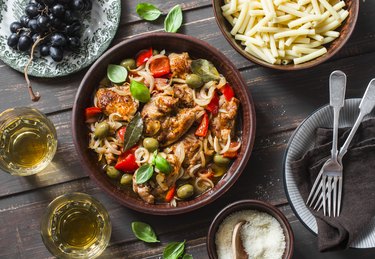
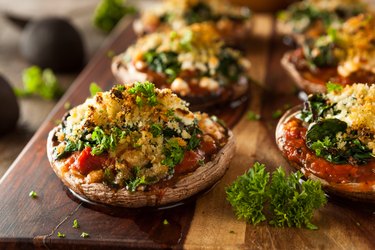
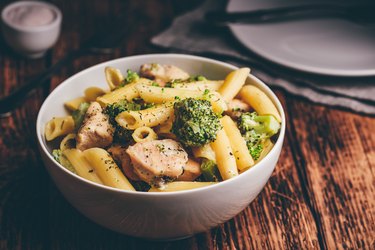


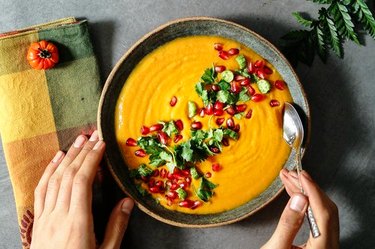
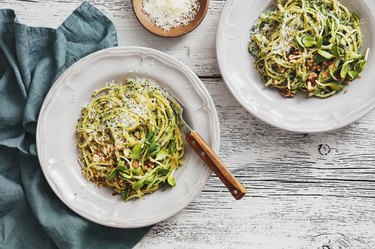

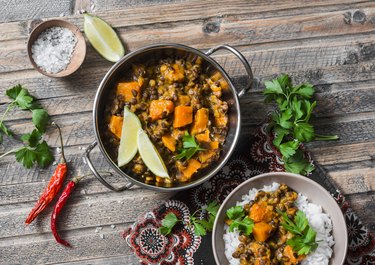

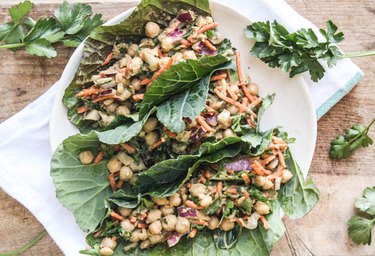


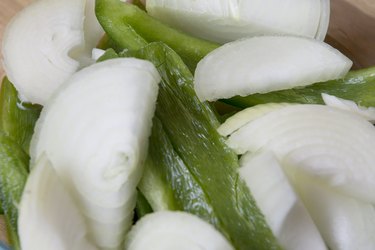


Eating low-calorie, filling foods is a good strategy for losing weight, according to Barbara Rolls, Ph.D., in her book "The Volumetrics Weight-Control Plan." Eating foods that fill you up can help you feel more satisfied after eating, which might help you lose weight or avoid gaining weight. Focus on the nutritional value of the foods you eat, because nutritious foods also often are filling.
Function
Every food you eat provides calories, which your body converts into energy. After you eat a food, your small intestine breaks the food down into nutrients your body can use. Other organs such as your pancreas, liver and gallbladder further contribute to digestion. By the time the food reaches your large intestine, all that remains are the leftovers, which your body discards. Foods that spend longer in your body are more filling than foods that move quickly through your digestive system.
Types of Foods
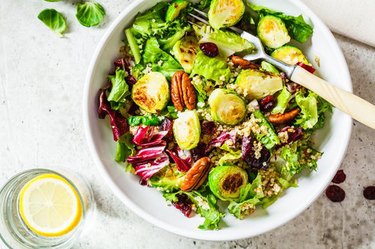
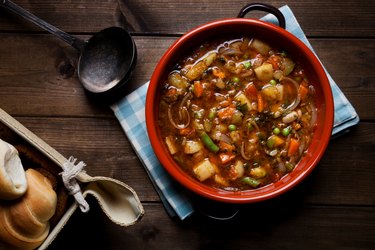
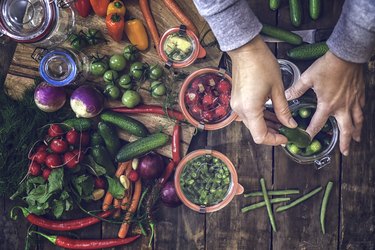
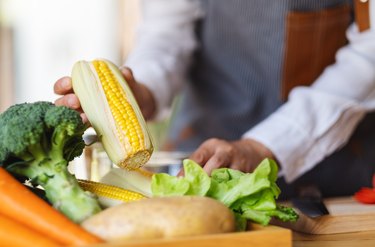
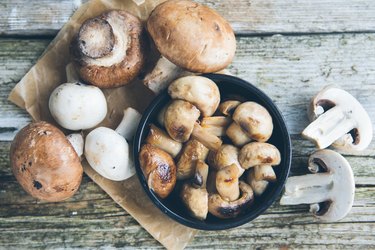
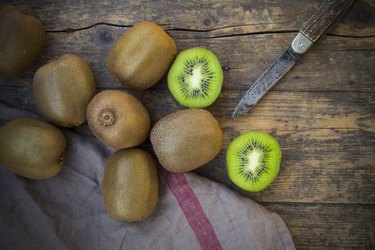
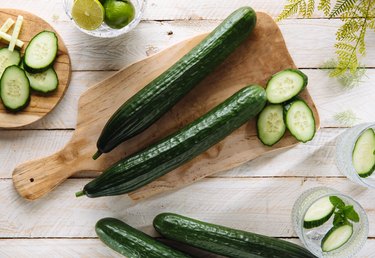
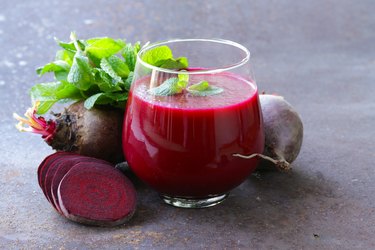
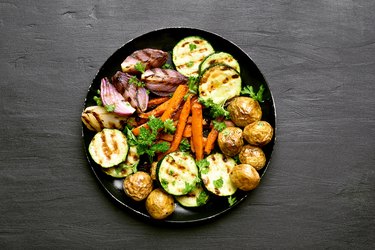
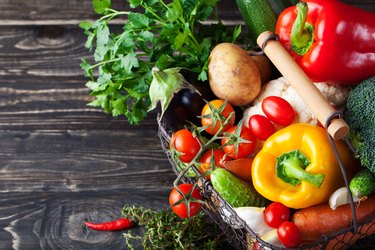
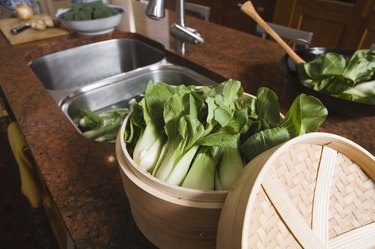
Use the U.S. Department of Agriculture food pyramid to help you make wise choices. The first step of the pyramid is whole grains, followed by vegetables and fruit. The higher the fiber content, the more filling the food is. Foods like fruits, vegetables, grains, beans and water-dense options like soups help you feel full. The physical act of chewing filling foods such as crispy fruits, crunchy vegetables and chewy grains gives your brain time to signal to your stomach that you are full.
Benefits
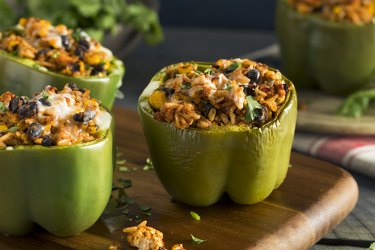
Filling foods offer you the benefit of helping you control your weight. In addition, filling foods are often lower in calories than sugary, high-fat foods. Filling foods such as whole grains, legumes, high-fiber fruits and vegetables are high in nutrients and fiber, which can reduce your risk of certain diseases. Whole grains, which take longer to digest because they are rich in dietary fiber, reduce your risk of heart disease, according to the American Heart Association.
Counting the Calories
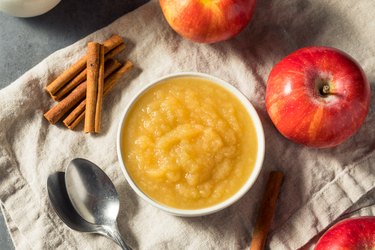
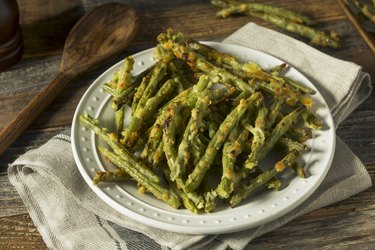
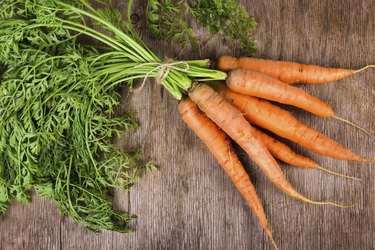
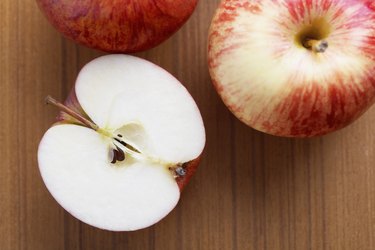
When choosing which foods to keep you full, opt for lower-calorie choices. A whole apple that contains 72 calories is more filling and contains fewer calories than a 1-ounce candy bar with over 200 calories, most from fat. Avoid fast-food hamburgers, sodas and fries in favor of a plate loaded with crunchy carrots, celery and cauliflower, a turkey sandwich, a whole apple and a glass of water. A glass of apple juice has 117 calories but is not as filling as a tossed salad topped with chicken, a bit of cheese and an egg for about the same number of calories.
Expert Insight
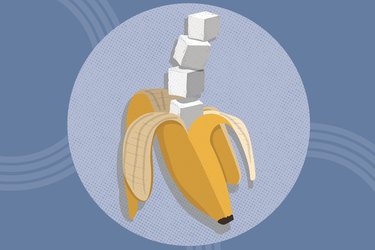
According to the Centers for Disease Control and Prevention, continually monitoring your food intake and choosing foods that have a low energy density, or foods that give you more energy for fewer calories, can help you maintain your weight, lose needed weight and increase your satiety level. Calculate the energy density of foods by dividing the calories per serving by the gram weight per serving. The lower the energy density, the more filling the food. Look for foods low in added and refined sugars.
References
- "The Volumetrics Weight-Control Plan"; Barbara Rolls, Ph.D.; 2000
- KidsHealth: Your Digestive System
- MayoClinic: Energy Density and Weight Loss: Feel Full on Fewer Calories
- American Heart Association: Whole Grains and Fiber
- USDA National Nutrient Database for Standard Reference, Release 17: Energy
- Centers for Disease Control and Prevention: Low-Energy-Dense Foods and Weight Management: Cutting Calories While Controlling Hunger


Member Comments