














































Foods that contain starch comprise the large bottom level of the food pyramid. The National Heart, Lung and Blood Association recommends 10 servings per day. Although eating too much starchy food over an extended period can contribute to weight gain, it is an essential component of a balanced diet and a traditional part of everyday meals. In fact, complex carbohydrates like starches can help regulate blood glucose levels, even for diabetics.
Grains
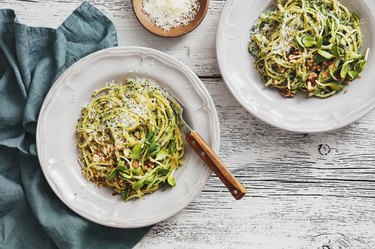
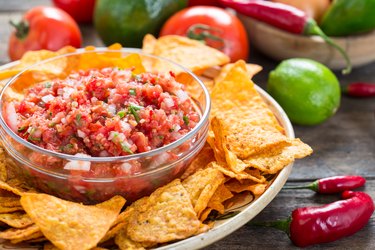
All foods made with or comprised of grains such as barley, wheat, bran, bulgur and cornmeal contain starch. These include bread, pasta, rice, bulgur, couscous, pretzels, crackers, cereal and tortillas. Grains apply to such a vast array of foods that they pervade the traditional diet of practically every culture in the world. Even beer, cakes and the crispy breading on fried chicken contain starch, as they all contain grains.
Vegetables
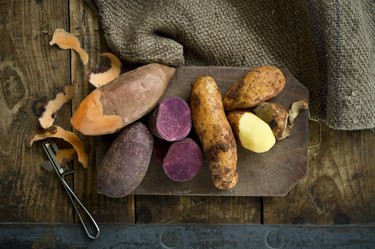
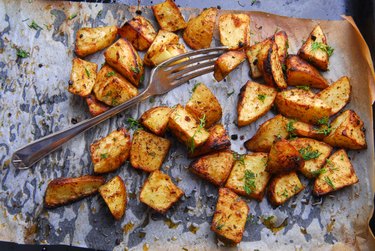
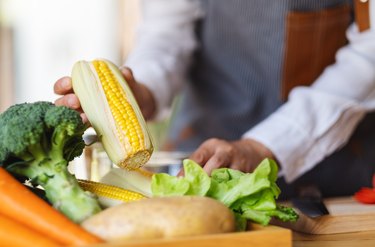
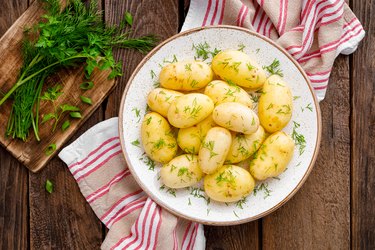
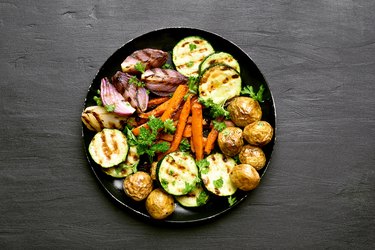
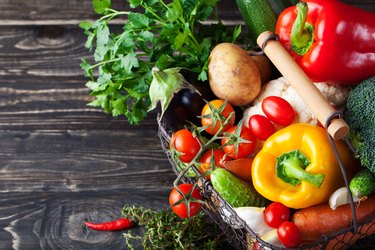
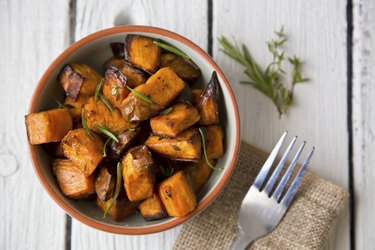
Corn contains a high level of starch, even when it's popped. All types of potatoes contain high levels of starch as well, including white, russet, Yukon gold, fingerlings, yams and sweet potatoes. The starch stays with the potato even when it's cooked, whether you're eating French fries or chips. Other vegetables that contain starch include squash and breadfruit. These sort of foods appear both by themselves or as an accompaniment to a main course and tend to promote satiety by their delayed digestion.
Fruits
Although few, there are several fruits that contain starch. Low in citric acid, these fruits include bananas, winter squashes, peanuts and pumpkins. It is best to limit consumption of starchy fruits, especially without an active lifestyle, as they can contribute to weight gain.
Legumes
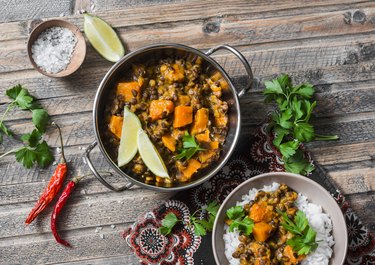
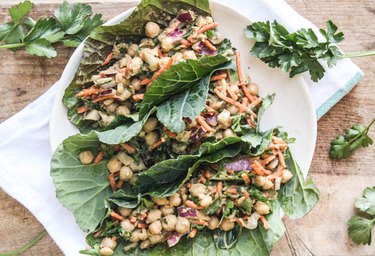
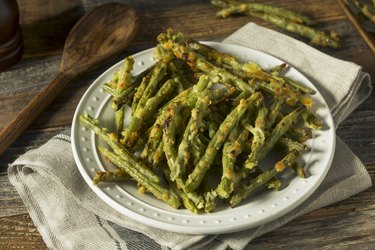
All manner of legumes contain starch. Examples included red beans, black beans, soy beans, garbanzo beans, string beans, lentils and peas. In fact, some familiar meals often combine beans with other starches like tortillas, rice and bread -- so be aware that these meals contain more than a single serving of starch. Legumes also contain fiber, which is another healthy complex carbohydrate.
References
- National Diabetes Information Clearinghouse: What I Need to Know About Eating and Diabetes/Starches
- American Society for Clinical Nutrition: Diets Containing High Amylose vs Amylopectin Starch: Effects on Metabolic Variables in Human Subjects
- Food Standards Agency: Starchy Foods
- National Heart, Lung and Blood Institute: Food Exchange Lists
- The Fruit Pages: Healthy Foods
- Nutra Ingredients: Resistant Starch "Dose" Controls Satiety Effects


Member Comments