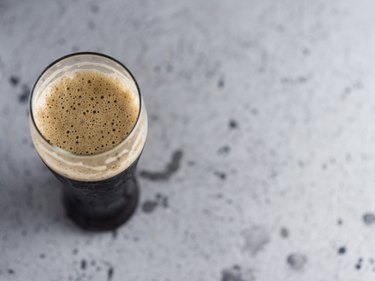
Alcohol and fat loss don't mix, at least at first glance. Luckily, there are ways to balance the two and stay on track with your diet. The key is to know what to drink.
Not all beverages are created equal. Wine and beer, for instance, are relatively low in calories and rich in antioxidants, B-complex vitamins and other micronutrients. Cocktails and liquors, by contrast, pack a lot of sugar and provide nothing but empty calories.
Video of the Day
Video of the Day
Does Alcohol Cause Weight Gain?
People worldwide are drinking more alcohol than they were three decades ago, according to a May 2019 report published in the Lancet. A staggering 20 percent of adults were heavy episodic drinkers in 2017. Despite their health risks, alcoholic beverages are growing in popularity.
Heavy drinking has been linked to 25 chronic diseases and 200 disorders in a 2014 review published in Alcohol Research. Studies show a strong link between alcohol use and liver cirrhosis, acute and chronic pancreatitis, psychotic disorders, memory problems and cancer. Yet, the average American consumes about 8.7 liters of pure alcohol per year.
Things get a little trickier when it comes to drinking and fat loss. On one hand, anecdotal evidence says that alcohol increases your metabolism, causing more calories to be burned. On the other hand, you can't ignore the calories in alcoholic drinks. Some examples include:
- White Russian (8 ounces) — 568 calories
- Pina colada (6.8 ounces) — 526 calories
- Rum (1.5 ounces) — 197 calories
- Mai tai (4.9 ounces) — 306 calories
- Red dessert wine (3.5 ounces) — 165 calories
- Tequila sunrise (6.8 ounces) — 232 calories
- Craft beer (12 ounces) — 170 to 350 calories
Depending on the ingredients used, some beverages can exceed 500 calories per serving. If, let's say, you drink a white Russian after a long day, that's an extra 568 calories. One pound of fat equals 3,500 calories, meaning that if you indulge in cocktails every two days or so, the pounds will add up quickly.
According to a study posted in Public Health Nutrition in February 2012, alcohol promotes weight gain and contributes to metabolic disorders. Frequent binge drinking was linked to abdominal obesity, elevated blood sugar, metabolic syndrome and hypertension in both genders.
If you're struggling with belly fat, your drinking habit might be the culprit. A March 2012 review published in the Annals of Nutrition & Metabolism suggests that alcohol consumption promotes visceral fat gain. Surprisingly, it may help reduce subcutaneous fat. What you should worry about is visceral fat as it may raise your risk of heart disease, atherosclerosis, metabolic syndrome and diabetes.
Drinking and Fat Loss
The above findings indicate a relationship between drinking and weight gain. Each gram of pure alcohol has 7 calories. Some beverages, especially cocktails, may also contain ice cream, fruit juice, soda and other sugar-laden ingredients that increase their calorie count. An occasional martini or a Cosmo is pretty much harmless, but regular drinking can derail your diet.
Another drawback of alcohol is that it enhances appetite and loosens your inhibitions. As a result, you may end up snacking on foods that you wouldn't eat otherwise. Beer, for example, is often consumed along with fries or pizza.
Most studies, though, show no connection between light to moderate drinking and obesity, according to a January 2015 review published in Current Obesity Reports. As the researchers note, people who enjoy alcohol in moderation as part of a balanced lifestyle are unlikely to gain weight.
Some clinical trials reported in the Current Obesity Reports review identified a potential link between excessive or heavy drinking and weight gain. In one study, for example, heavy drinkers were 70 percent more likely to get obesity than those drinking less. Binge drinking appears to be particularly harmful.
The review suggests that alcohol may increase food intake and influence several hormones that regulate appetite. Additionally, it may inhibit fat oxidation, leading to weight gain in the long run.
According to some studies in the review, the same psychological traits that promote binge drinking may predispose to binge eating. However, further research is needed to validate these findings and shed light on the relationship between drinking and fat loss or weight gain.
Can Drinking Increase Your Metabolism?
As mentioned earlier, there is some evidence that alcohol increases metabolic rate, which in turn, may facilitate weight loss. In two small studies published in PLOS One in July 2012, subjects who consumed fewer than 12.5 calories per kilogram of body weight per day from alcohol ate less overall.
Higher alcohol intakes, on the other hand, led to an increase in metabolism and a reduction in fat mass. Furthermore, it caused a decrease in the levels of leptin, a hormone that contributes to obesity when secreted in large amounts. Surprisingly, overall calorie intake was higher in this group.
Read more: Does Drinking Alcohol Slow Your Metabolism?
Scientists concluded that light drinking doesn't increase metabolism and lipid oxidation — as heavy drinking does. These findings may be due to the fact that regular alcohol use leads to a progressive metabolic adaptation. To put it simply, drinking increases your calorie intake, but the metabolism adapts gradually. The studies were conducted on alcohol-dependent individuals, so their results may not apply to those who drink occasionally.
Choose Your Booze Wisely
Most health professionals agree that light to moderate drinking is unlikely to cause weight gain. The 2015-2020 Dietary Guidelines for Americans recommends no more than two drinks per day for men and one drink per day for women. Expectant mothers, people who are recovering from alcoholism and those under medical treatment should not consume alcohol at all.
Beware that not all beverages are created equal, however. Wine, beer and spirits have the fewest calories, so they may be a better choice for dieters.
One glass of white wine, for example, provides 121 calories and 3.8 grams of carbs. The same amount of red wine boasts 125 calories and 3.8 grams of carbs. Depending on the ingredients used, beer has around 153 calories and 12.6 grams of carbs per can.
If you prefer something stronger, stick to small amounts of vodka, gin or rum. A shot of vodka (1.5 fluid ounces) has only 97 calories and no carbs. In general, distilled spirits provide around 110 calories per serving.
You don't have to give up drinking entirely to get leaner. Moderation is the key. Also, there are some tricks you can use to cut calories without quitting booze. For example, mix wine and carbonated water to make a low-calorie spritzer. If you're a beer lover, choose light varieties.
Read more: How to Drink, Have Fun AND Lose Weight
Combine rum and diet coke or unsweetened black tea rather than ordering a pina colada or other fancy cocktails. Vodka goes well with seltzer water — just make sure you steer clear of juice mixers, as they pack a lot of sugar. Whiskey, gin and other spirits are carb-free, so they work best for those on low-carb and ketogenic diets.
- The Lancet: "Global Alcohol Exposure Between 1990 and 2017 and Forecasts Until 2030: A Modelling Study"
- Alcohol Research: "Chronic Diseases and Conditions Related to Alcohol Use"
- American Addiction Centers: "Global Drinking Demographics"
- MedlinePlus: "Calorie Count – Alcoholic Beverages"
- Mayo Clinic: "Counting Calories: Get Back to Weight-Loss Basics"
- Public Health Nutrition: "Gender-Specific Relationships Between Alcohol Drinking Patterns and Metabolic Syndrome: The Korea National Health and Nutrition Examination Survey 2008"
- Annals of Nutrition & Metabolism: "Alcohol Consumption and Its Relation to Visceral and Subcutaneous Adipose Tissues in Healthy Male Koreans"
- PLOS One: "Body Fat Distribution, in Particular Visceral Fat, Is Associated With Cardiometabolic Risk Factors in Obese Women"
- NHS: "Calories in Alcohol"
- Current Obesity Reports: "Alcohol, Appetite and Loss of Restraint"
- Current Obesity Reports: "Alcohol Consumption and Obesity: An Update"
- PLOS One: "The Loss of Metabolic Control on Alcohol Drinking in Heavy Drinking Alcohol-Dependent Subjects"
- Journal of Obesity & Weight Loss Therapy: "Role of Leptin in Obesity"
- Health.gov: "Dietary Guidelines for Americans, 2015-2020: "Appendix 9. Alcohol"
- USDA: "White Wine"
- USDA: "Red Wine"
- USDA: "Alcoholic Beverage, Beer, Regular, All"
- USDA: "Alcoholic Beverage, Distilled, Vodka, 80 Proof"
- USDA: "Alcoholic Beverage, Distilled, All (Gin, Rum, Vodka, Whiskey) 90 Proof"