















How to Use Elastoplast

Text size:  |  Post a comment  |  Print  |   | 
Add to my favorites

Overview

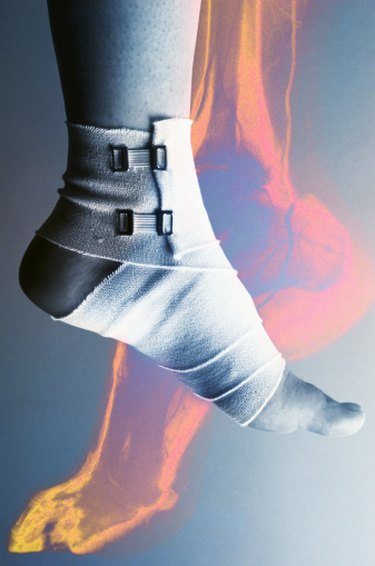
Elastoplast is an international brand of bandages and other first aid remedies, sold in six countries around the world: Canada, Australia, New Zealand, the United Kingdom, Hong Kong and South Africa. As a result, you may hear the products referred to as a "plaster" rather than a "bandage," since that's the standard European term.

Step 1

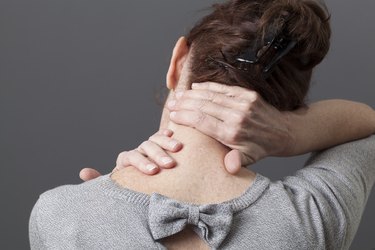
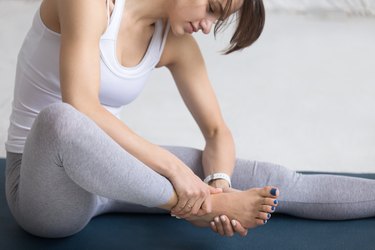
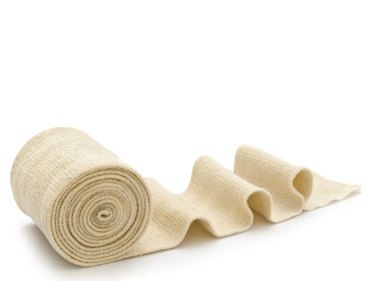
Choose the proper Elastoplast product for your needs. There are four different product segments available: Wound Care, Sport, Foot Care and External Pain Relief. Wound Care is the most popular, and it's where Elastoplast began, with the core segment of "First Aid Dressings." Sport is meant for use by athletes. Foot Care is designed to treat corns and blisters, while External Pain Relief includes products to treat neck and back pain. All of them are designed to treat problems without hindering your ability to be active.

Step 2

Wash your hands well with soap and water before applying an Elastoplast bandage, or wear surgical gloves to avoid infecting the wound.

Step 3

Carefully clean the wound under cold running water, gently wiping away any foreign objects that are stuck to the wound, like dirt, grit or other debris. However, don't attempt to remove anything embedded under the skin; let a doctor or other medical expert do that.

Step 4

Dry the skin around the wound very carefully, using a soft, clean towel. Do not wipe or scrape against the wound; use a gentle, dabbing motion.

Step 5

Remove the backing from the Elastoplast bandage, exposing the sticky side. Place the sterilized pad in the center of the bandage against the wound, and carefully stick the sides of the bandage to the skin. Do not stretch or pull the bandage too tightly, but be sure it's snug. If you're using a fingertip or knuckle bandage, shape the ends around a slightly bent finger to avoid too much stress. Elastoplast stays in place very well, even if you have to reposition it, but it's best to apply it where you want it the first time.

Step 6

Change the bandage every day to keep the wound clean, protect it from infection, and help it get better; it's recommended that you continue doing so until it's healed completely. Many Elastoplast products tend to stay on even if you get them wet, and in fact, some of them are waterproof or water resistant, so it's tempting to leave your bandage on until it falls off. For most Elastoplast bandages, this isn't necessarily the most effective use of the product; however, if you've chosen the Elastoplast Fast Healing Plaster, which provides moist conditions to heal wounds, leave it on for two days or more so you don't interrupt the process.

Things You'll Need

  • Elastoplast bandages Soap and water Towel
Heather Vale Goss

About this Author

Heather Vale Goss is a writer, interviewer and seasoned journalist known as The Unwrapper™. She has done news, entertainment and informational programming in TV, radio, print and online media. She's a certified Childhood Fitness & Nutrition Specialist with a background in mind-body-spirit health, self-help, pet breeding, and technology sales. Goss holds a Bachelor of Fine Arts

Last updated on: 10/27/09

Article reviewed by MER

Member Comments

Tools

Track your daily calories. See how many calories you burn and consume.

BMI is a measurement of body fat based on height and weight.

Map your local running, cycling, walking and hiking routes and track your calorie burn.

Find us on the web, receive emails and use our mobile app to keep you motivated.

This tool will help you to decide whether to treat at home or see a doctor.