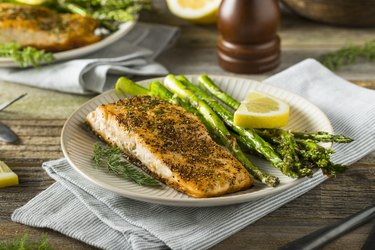
Close to half of the United States population — 42 percent, per the Centers for Disease Control and Prevention (CDC) — is living with obesity, which increases the risk for a host of harmful health conditions.
Although it's not easy to lose weight to get below the obesity threshold, there are a variety of tried-and-true tactics that can help you along the path toward losing weight, including creating a healthy meal plan for obesity.
Video of the Day
Video of the Day
Below are sample meal plans and diet tips for losing weight with obesity to get you started, but remember that you should talk to your doctor before starting any diet plan, and consider working with a registered dietitian to make sure your weight-loss plan is healthy and nutritious.
1. Mediterranean Diet Meal Plan
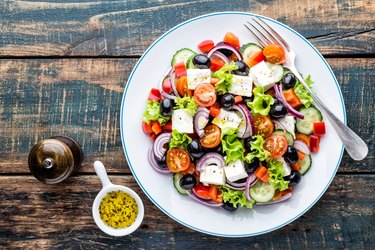
Just as there's no one meal plan that works for everyone, there's no obesity diet plan that's guaranteed to work wonders. However, U.S. News & World Report, in its annual ranking of diet plans, named the Mediterranean diet as the top overall diet thanks to its emphasis on fruits, vegetables, olive oil and fish, among other healthy meal components.
Rather than focusing on calories, fat or other nutrient numbers, a Mediterranean diet meal plan emphasizes eating foods high in fiber, lean protein and unsaturated fats.
The following meal options can help you get started with the Mediterranean diet, per Harvard Health Publishing:
Breakfasts
- Whole-grain bread topped with a small amount of low-fat cheese and slices of fresh tomato, drizzled with a little extra-virgin olive oil
- Vegetable omelet (from the blog Feel Good Foodie) made with mushrooms, spinach and onions cooked in olive oil, served with crusty, whole-grain bread
- Plain Greek yogurt topped with nuts and fresh berries
Lunches
- Greek salad (from the blog Eating Bird Food) made with chopped mixed greens, kalamata olives, tomatoes, fresh parsley and feta cheese, dressed with extra-virgin olive oil and freshly squeezed lemon juice
- Chickpea and farro salad with red peppers, spring onions and fresh oregano, dressed with extra-virgin olive oil and lemon juice
- Vegetarian pizza topped with part-skim mozzarella cheese, roasted broccoli, onions, green peppers and carrots
Dinners
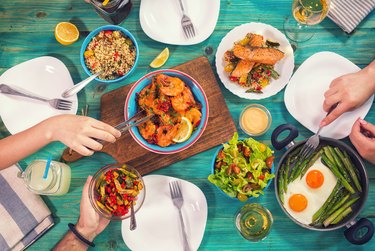
- Grilled vegetable kabobs with shrimp, toasted quinoa salad and mixed green salad with pine nuts
- Chicken stir-fried in olive oil with broccoli, cauliflower, asparagus and yellow peppers, served over brown rice
- Steamed mussels with spinach-orzo salad and minestrone soup.
2. Clean Eating Meal Plan

If those ideas don't appeal to you, there are plenty of other weight loss-focused meal plans you can choose for an effective obesity-busting diet.
For example, a sample day of "clean-eating" meals designed for weight loss includes:
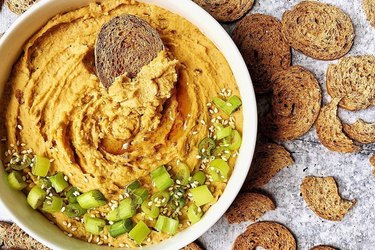
- Breakfast: Yogurt berry bowl made from Greek yogurt, sliced strawberries, chopped walnuts and chia seeds
- Morning snack: Sprouted-grain toast with cottage cheese and mango salsa
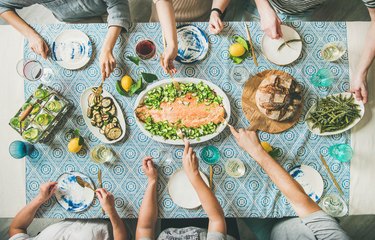
- Lunch: Salmon Bowls
- Afternoon snack: Banana dipped in flaxseed
- Dinner: 15-Minute Sweet & Sour Lettuce Wraps
3. High-Protein Diet Meal Plan
If you'd like to focus on consuming more satiating protein, a high-protein meal plan might include:
- Breakfast: Easy Denver Omelet Hash Brown Casserole (from the blog the Wholesome Dish)
- Morning snack: Banana and a handful of almonds
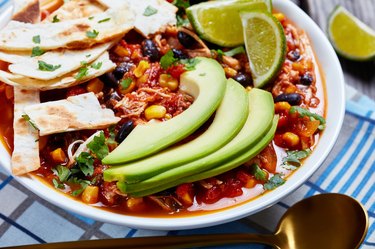
- Lunch: Black Bean Soup (from the blog Love & Zest) with a whole-wheat roll
- Afternoon snack: Carrot sticks and hummus
- Dinner: Baked Salmon (from the blog Eating Bird Food) with asparagus and quinoa
4. Low-Fat, Low-Sodium Meal Plan
If you're concerned about the effects fat and salt may be having on your heart, the Mayo Clinic suggests several dishes as part of a sample meal plan:
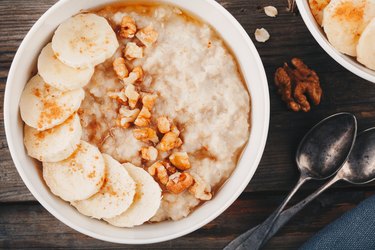
- Breakfast: Cooked oatmeal with walnuts, banana and skim milk
- Lunch: Low-fat plain yogurt with flaxseed and peach halves. Served with Melba toast crackers, raw broccoli and cauliflower and low-fat cream cheese
- Dinner: Salmon, green beans with almonds, salad greens with low-fat salad dressing and sunflower seeds, skim milk and an orange
- Snacks: Skim milk, animal crackers
Try Meal Planning to Stay on Track
Planning your meals isn't a panacea when it comes to promoting weight loss, but it is a valuable tool in your arsenal. A February 2017 study in the International Journal of Behavioral Nutrition and Physical Activity found that people who planned meals were less likely to have overweight or obesity, as well as more likely to eat a wider variety of foods and have a higher-quality diet overall.
Meal planning helps weight loss by:
- Reducing the likelihood of stopping for unhealthy restaurant or take-out food because there's nothing to eat at home.
- Ensuring that your meals are balanced with the ideal amount of protein, complex carbohydrates and healthy fats, plus a good amount of vitamin- and mineral-containing foods, such as fruits and vegetables.
- Allowing you to control the amount of sodium, saturated fat and other nutrients that are problematic in large quantities.
As a bonus, meal planning can help you stay on-budget, because it cuts down on spontaneous trips to restaurants and supermarkets to pick up food for immediate consumption.
Tip
Aim to spend about an hour each week planning out your meals, and schedule time for food shopping and cooking.
There's no right or wrong way to plan your meals. With a little bit of trial and error, you can figure out what works best for you (and your family, if other people need to be taken into account).
Here are some guidelines to keep in mind when you're meal planning for a weight-loss diet:
- Deep-dive into recipe inspiration. There have never been more easily available ideas for healthy meals than right now. Head to websites such as Pinterest or online versions of healthy cooking magazines such as Eating Well to find meal ideas. If you prefer cookbooks, visit the library to check out volumes of recipes that focus on your ideal obesity diet plan —whether it's Mediterranean, clean eating or otherwise.
- Choose theme nights. If you don't feel comfortable in the kitchen, the sheer number of options for meal plans can make it too intimidating to even start. Narrow down the choices by assigning a theme to each night of the week — for example, soup Sundays, meatless Mondays, taco Tuesdays and so forth.
- Plan for leftovers. When you cook every night of the week, you're bound to have leftovers in the fridge. If you work outside your home, plan to take these healthy leftovers to work the next day. If there's still more left over, pencil in a night dedicated to eating up the food that's still in the fridge.
Once you have made a meal plan for a week, hold onto those menus. Rather than reinventing the wheel in the future, use that meal plan and those recipes again at a later date. Eventually, you will get into a rhythm that makes meal planning feel a lot easier.
Keep Portions in Check
Remember, portion control matters. Even the healthiest of meal plans won't help you to lose weight if you're overeating.
The Centers for Disease Control and Prevention recommends managing portions by:
- Splitting entrees when dining out
- Putting individual portions of food on a plate rather than setting the serving dishes on the table at home
- Eating a healthy snack between meals to avoid overeating later due to hunger
If you're unsure how to manage your portions, a dietitian can offer portion-control tips.
Stay Hydrated
We often confuse thirst for hunger. In fact, July 2016 research in the Annals of Family Medicine found adults who were inadequately hydrated had higher BMIs and had greater odds of having obesity than adults who were well-hydrated.
The most common signs of dehydration, per the Cleveland Clinic, include:
- Dry mouth
- Infrequent urination
- Dark urine
- Fatigue
- Confusion, memory problems, or difficulty concentrating
- Headache
- Constipation
To avoid dehydration, active people should drink at least 16 to 20 ounces of fluid one to two hours before an outdoor activity, per the Cleveland Clinic and the American College of Sports Medicine. After that, consume 6 to 12 ounces of fluid every 10 to 15 minutes that you are exercising. When you're finished with the activity, drink at least another 16 to 24 ounces of water to replace what you have lost.
Your urine color can also tell you a lot about your hydration. Pale yellow urine tends to signify that people are properly hydrated.
If you struggle with drinking enough fluids, keep water with you at all times and set a reminder on your phone to drink more. These steps can help ensure you stay hydrated throughout the day.

- CDC: "Adult Obesity Facts"
- U.S. News and World Report: "U.S. News and World Report Best Diets Badge Best Diets Overall"
- Mayo Clinic: "What's the big deal about the Mediterranean diet?"
- Harvard Health Publishing: "A practical guide to the Mediterranean diet"
- Annals of Family Medicine: "Inadequate Hydration, BMI, and Obesity Among US Adults: NHANES 2009–2012"
- Cleveland Clinic: "Hydration"
- Cleveland Clinic: "Dehydration"
- International Journal of Behavioral Nutrition and Physical Activity: "Meal planning is associated with food variety, diet quality and body weight status in a large sample of French adults"
- Feel Good Foodie: "Veggie Omelet"
- Eating Bird Food: "Greek Salad"
- Dishing Out Health: "Nourishing Minestrone Soup"
- Tastes Better from Scratch: "Salmon Bowls"
- Real Food Whole Life: "15- Minute Sweet & Sour Lettuce Wraps"
- The Wholesome Dish: "Easy Denver Omelet Hash Brown Casserole"
- Love & Zest: "Black Bean Soup"
- Eating Bird Food: "Baked Salmon with Herbs and Lime"
Is this an emergency? If you are experiencing serious medical symptoms, please see the National Library of Medicine’s list of signs you need emergency medical attention or call 911.