








































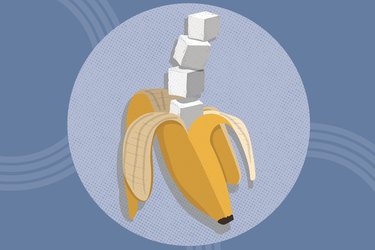





























The 2001-2004 National Health and Nutrition Examination Survey says the average American consumes more than 355 calories, or 22 teaspoons, of added sugar each day. However, the American Heart Association recommends that, in a day, women should avoid eating more than 100 calories of added sugar, and men should not eat more than 150 calories of added sugar. You don't need to completely neglect your sweet tooth to cut back on your sugar intake, but consider making a few adjustments to your diet.
Step 1
Be vigilant while cooking. The most obvious time to keep an eye on the sugar going into your body is when you are preparing your own food. Many recipes call for a lot of sugar, but you can usually cut a lot without affecting the flavor. If you are cooking or baking something that can be tasted while you prepare it, try adding only half the amount of sugar that the recipe calls for and taste it before you decide that it needs any more. In fact, you may even be able to add less than half as your tastes adjust to your altered dietary habits.
Step 2
Find alternatives. Syrup on pancakes, jelly on toast, honey in tea and sugar in coffee are just a few examples of what people do to sweeten what may otherwise taste bland. All of these add-ons are packed with sugar, but you can replace them with naturally sweet all-fruit spreads and sweet extracts, or spices such as allspice, cinnamon, cloves, nutmeg, cardamom, fennel and ginger.
Step 3
Take it slowly. If you're craving sugar, chances are slim that you will be able to cut it instantly and completely from your diet. Cut back gradually to allow your taste buds to adjust to the change and to avoid relapsing. If you eat ice cream as a dessert twice a day, cut back to one ice cream scoop after one meal each day. When your body is satisfied by this change, proceed to wean yourself off by eating ice cream only once every few days. Finally, cut back to once per week. This rule also applies to the amount of sugar in your daily sweetened foods and drinks. Rather than cutting them cold-turkey, try going half-and-half. For example, add half a cup of sweet yogurt to half a cup of sugar-free yogurt rather than eating an entire serving of sweet yogurt.
Step 4
Forgo the soda. Many Americans consider soda a staple in their daily diets. However, a single 12-ounce can of soda contains about 130 calories of sugar. Soda is even more dangerous if it is replacing nutritious liquids such as water and milk. A great way to cut out a bunch of sugar from your diet is to cut out the soda entirely. Try fighting your urge to drink it by replacing it with a bit of fruit juice in fizzy water.
Step 5
Beware of sugar in disguise. Sugar comes in a variety of names and forms. Know how to decode nutritional fact ingredient lists so that you can recognize when sugar has been added to your purchases. Common names to look out for are words that end in "ose" (e.g. glucose, sucrose, dextrose, maltose, fructose, high fructose corn syrup), corn syrup, brown sugar, fruit juice concentrate, sorghum, turbinado sugar and molasses.
Tips and Warnings
- Underlying health conditions may require that some people consume less sugar than is recommended by the American Heart Association. If you believe you have such a condition, consult a physician to determine how much sugar you are allowed to consume.


Member Comments