



















Hay Fever Diet

Hay Fever Diet
Photo Credit Jupiterimages/Comstock/Getty Images

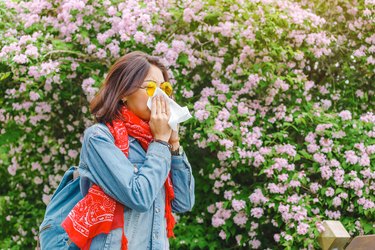
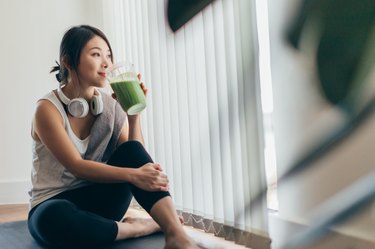
Hay fever can cause sneezing, watery eyes, congestion and fatigue, but relief could be as close as your kitchen. Research suggests that adjusting your diet could be good medicine for hay fever. "A number of foods can help ease allergy symptoms without the side effects of drugs," says naturopath Paul Anderson, clinical professor of naturopathic medicine at Bastyr University in Seattle. Instead of sniffling your way through the day or heading to the medicine cabinet, you might want to consider a hay fever diet.

Significance

Hay fever, also called allergic rhinitis, affects more than 20 percent of Americans, according to the Mayo Clinic. The symptoms can impact performance at work and school and interfere with leisure activities. Conventional treatments include antihistamines, steroids and other drugs, but many have side effects. Antihistamines can make you drowsy, and oral corticosteroids can lead to serious side effects, including cataracts and osteoporosis, according to the Mayo Clinic. Additionally, the Mayo Clinic indicates that hay fever can be a factor in children's ear infections, and some hay fever medicines aren't approved for children. On the other hand, food remedies are natural and safe for almost everyone.

Hay Fever-Food Connection

Histamines are allergy compounds that set off sneezing, congestion and watery eyes when you're exposed to pollen, according to allergist Dr. Michael Welch, co-director of the Allergy and Asthma Medical Group and Research Center in San Diego. Some research suggests that certain foods can reduce the body's tendency to release histamines, Welch notes. Other foods may help boost immunity to allergies and help you breathe better by improving the health of your respiratory system, Anderson adds. A hay fever diet should include these foods and exclude foods that can worsen hay fever. "In some people, certain foods can bring on hay fever symptoms," Welch says.

Foods to Include

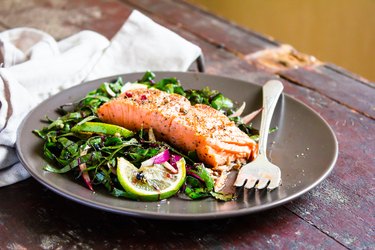
A hay fever diet should include apples, oranges, grapes, tomatoes and nuts, according to Anderson. A Mediterranean diet with these foods was found to be protective against hay fever in a 2007 Crete study. Additionally, apples are rich in quercetin. This flavonoid is thought to inhibit the release of histamine, according to Welch. A study published in the June 2003 issue of the "Journal of Clinical Immunology" found quercetin to be nearly twice as effective as a popular prescription antihistamine. You may want to include fish in your hay fever diet too. Hay fever causes inflammation in the mucous membranes, Welch notes, and omega-3 fatty acids found in salmon and tuna are considered natural anti-inflammatories.

Foods to Exclude

Exclude cherries, peaches and melons from your hay fever diet. These fruits can bring on hay fever symptoms because they're cousins to plants that produce ragweed pollen, Welch explains. Also steer clear of bagged snacks and processed foods. They're likely to contain trans fats, which speed up inflammation, according to registered dietitian Beth Reardon, an integrative nutritionist at Duke University Integrative Medicine in Durham, North Carolina. In the Crete study, margarine was found to increase the risk of hay fever, as well as wheezing in children with asthma. Finally, consider limiting milk and dairy products. People with hay fever may find that dairy products worsen mucus production and congestion, Welch says.

Warning

If you take allergy medications for hay fever, don't stop taking your medicines without talking to your doctor, Welch cautions. Adjusting your diet may reduce symptoms or shorten the amount of time they're bothersome, but don't expect miracles if you have severe hay fever, he says. On the other hand, a hay fever diet is nothing to sneeze at. Welch suggests an integrated approach--a hay fever diet in addition to conventional treatments when necessary.

References

Article reviewed by OmahaTyppo Last updated on: Apr 26, 2011

Must see: Photo Galleries