


































Metabolism Kickstart Diet

Metabolism Kickstart Diet
Photo Credit Jeffrey Coolidge/Photodisc/Getty Images

All the physical and chemical processes in the body that convert or use energy is known as metabolism according to the National Institutes of Health. This includes such things as breathing, thinking, digesting food, getting up from a chair and eliminating wastes. If you make a few dietary changes, you can boost your metabolism. This in turn can help you manage your weight.

Types

The type of food you choose to eat can have an impact on your metabolism. Avoid anything that is high in saturated fat, sugar or refined. This includes such foods as white bread and bagels, pizza, burgers, fries, meatball hoagies, doughnuts, pastries and candy bars. Stick with nutrient dense foods instead like lean meats, fish, whole grains, beans, low-fat dairy, fruits and vegetables.

Early Meal

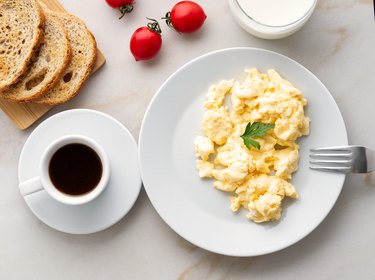
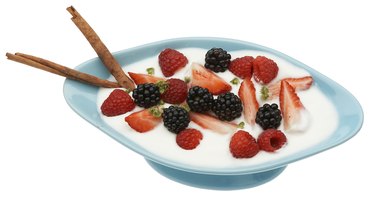
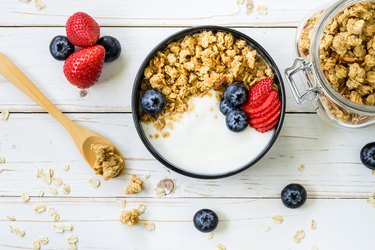
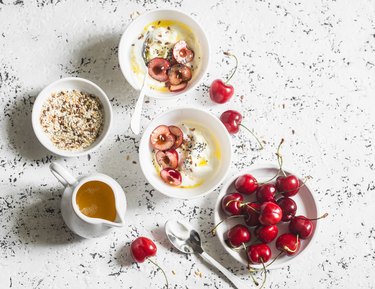
Breakfast is often coined the most important meal of the day. This is hard to dispute being that it is the first meal you eat after coming out of a long nighttime fast. If you approach the day without eating, your body may sense starvation and slow down to conserve energy according to the Health Mad website. Fix yourself something quick and healthy like a bowl of oatmeal with low-fat milk and berries mixed in.

Time Frame

When you eat a meal, then wait all day to eat again, your metabolism has a tendency to slow down. You also risk becoming ravenous and eating something unhealthy to satisfy your hunger. Sydney Foster, registered dietician and private trainer at The Sports Club/LA on New York's Upper East Side says switching to five or six meals a day will help bolster metabolism and energy levels. Combine protein and complex carbs with each meal to make them balanced and eat every two to three hours. A banana with peanut butter spread across the top is meal, for example.

Liquid Intake

Water is an often overlooked substance when it comes to metabolism and weight maintenance. By drinking it ice cold, you will give your metabolism a lift. This is because the body burns calories to heat it up. As an added bonus, water is calorie-free and it helps hydrate the body.

Spice

Hot peppers contain a substance known as capsaicin. When consumed, capsaicin causes you to become warm and start to sweat. This in turn boosts your metabolism according to the Medical News website. If you want to add not peppers to your diet, start off with small portions and gradually increase them as you build up a tolerance.

References

Article reviewed by Lynda Moultry Belcher Last updated on: Jun 14, 2011

Must see: Photo Galleries

Member Comments