Triglycerides are a type of fat that comes from the foods you eat. If you eat lots of foods that have saturated fats like butter, refined flour or sugar, you may be consuming too many triglycerides. Fortunately, there are many foods that can help lower your triglycerides, too.
Read More: All About Triglycerides
Video of the Day
Video of the Day
Healthy Triglyceride Levels
Triglycerides can be found in certain foods, such as butter and other fats. However, this doesn't make them bad. Triglycerides are stored in your cells from calories your body doesn't need to immediately use. They can be turned into energy whenever they're needed. According to the U.S. National Library of Medicine, a triglyceride level of 150 milligrams per deciliter or less is perfectly normal. You only need to worry if your triglyceride levels are higher than that. Triglyceride levels are considered borderline high between 150 and 199 mg/dL, high between 200 and 499 mg/dL, and very high when they surpass 500 mg/dL. More than the normal amount of triglycerides can increase your risk of diabetes, heart disease and pancreatitis.
Foods to Lower Triglycerides
If you're worried about your triglyceride levels, there are certain foods that can help.
- Nuts: A 2010 study in the Archives of Internal Medicine showed that nuts can reduce both cholesterol and triglyceride levels.
- Omega-3 fatty acids: Omega-3 fatty acids can be found in many marine animals and plants. These healthy fatty acids have a wide range of health benefits and have long been known to help decrease triglycerides.
- Soy: A 2004 study in the Journal of Atherosclerosis showed that soy protein can reduce triglycerides and cholesterol.
- Vinegar: A 2009 study in the Journal of Bioscience, Biotechnology, and Biochemistry showed that consumption of vinegar can reduce triglycerides.
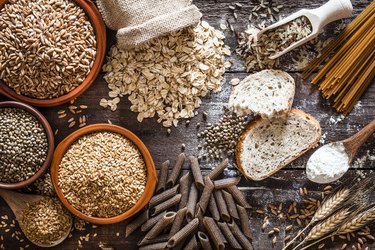
- Whole grain products: A 2014 study in the Journal of Nutrition, Metabolism & Cardiovascular Diseases showed that replacing refined grain products with whole grain products like buckwheat can reduce triglycerides and improve insulin levels after meals.
In addition, you should consider eating and drinking less of the following:
- Alcohol, as alcohol can influence the amount of triglycerides that build up in your body.
- Fat, especially saturated fat. Limit your consumption of fats and replace high-fat foods, like whole milk dairy products, with low-fat alternatives. Replace fats like butter with healthy fats, like extra virgin olive oil, when cooking.
- Fructose, which can be found in many food products, including sweetened yogurt, canned fruits and numerous beverages.
- Simple carbohydrates, like sugar, syrup and white flour. Choose complex carbohydrates like whole grain products instead.
Other Ways to Lower Triglycerides
In addition to eating a healthy diet to lower your triglycerides, there are other ways to lower triglycerides. Make sure you maintain a healthy weight and exercise regularly. Frequent physical activity can help your metabolism and improve the health of your organs, especially your heart. Don't smoke, and make sure you always consume alcohol in moderation. As long as you limit your refined foods, saturated fats and sugar and try to maintain a healthy lifestyle, you should be well on your way to lowering your triglycerides.
Read More: 9 Delicious Recipes Made With Healthy Fats
- Atherosclerosis: Soy Protein Reduces Triglyceride Levels and Triglyceride Fatty Acid Fractional Synthesis Rate in Hypercholesterolemic Subjects
- Archives of Internal Medicine: Nut Consumption and Blood Lipid Levels: A Pooled Analysis of 25 Intervention Trials
- Journal of Nutrition, Metabolism & Cardiovascular Diseases: A whole-grain cereal-based diet lowers postprandial plasma insulin and triglyceride levels in individuals with metabolic syndrome.
- Journal of Nutritional Biochemistry: Feeding of buckwheat protein extract reduces hepatic triglyceride concentration, adipose tissue weight, and hepatic lipogenesis in rats
- Biochim Biophys Acta: Fish oil – how does it reduce plasma triglycerides?
- Journal of Clinical Endocrinology and Metabolism: Dietary Fructose Reduces Circulating Insulin and Leptin, Attenuates Postprandial Suppression of Ghrelin, and Increases Triglycerides in Women
- University of Rochester Medical Center: The Truth About Triglycerides
- Bioscience, Biotechnology, and Biochemistry: Vinegar Intake Reduces Body Weight, Body Fat Mass, and Serum Triglyceride Levels in Obese Japanese Subjects
- Canadian Atherosclerosis Society: Atheroscerosis Update
- Medline Plus: Triglycerides
- Mayo Clinic: Triglycerides: Why do they matter?