


























































Wheezing & Nutrition

Wheezing & Nutrition
Photo Credit Jupiterimages/Photos.com/Getty Images

Wheezing refers to the sound made when your air passages are narrowed during breathing. There are several different causes of wheezing, including asthma. Depending on the underlying medical condition, certain nutrients in your diet can help to alleviate your wheezing. Consult your doctor to get a proper diagnosis for your wheezing before you alter your diet or take any nutritional supplements.

Identification

The most common medical condition associated with wheezing is asthma, but wheezing can also be a symptom of bronchitis, emphysema, bronchiectasis, respiratory tract infections, vocal cord dysfunction, sleep apnea or chronic obstructive pulmonary disease, or COPD, MayoClinic.com says. Smoking cigarettes, respiratory syncytial virus, pneumonia, epiglottitis, lung cancer, heart failure and gastroesophageal reflux disease, or GERD, can also cause wheezing. You can have wheezing due to a foreign object becoming lodged in your airways or lungs, or due to certain medications like aspirin. Additionally, wheezing is a common symptom of anaphylaxis, which occurs when you have a severe allergic reaction to food, insect bites or stings, medications, animals, plants or other substances, notes the University of Michigan Health System.

Add

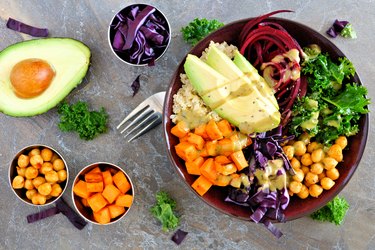
Add to your diet lots of fruits and vegetables to ensure that you're getting plenty of nutrients, advises the University of Maryland Medical Center. Many fruits and vegetables contain antioxidants like vitamin C, which also offer anti-inflammatory actions that can reduce your wheezing, says the University of Michigan Health System. A diet enriched with vitamin C-containing fruits may be especially helpful in reducing wheezing among children with asthma.

Avoid

Avoiding caffeine, salt and sugar can help reduce wheezing and other symptoms of asthma, notes the University of Michigan Health System. A vegan diet that excludes dairy, meats and all other animal-derived foods could also help. In some people, food additives like tartrazine, sodium benzoate and sulfites can aggravate asthma symptoms like wheezing as well. If you suspect that your wheezing is due to some kind of allergic reaction, eliminating the food allergens from your diet can alleviate your symptoms. Your doctor or another qualified healthcare professional can help you to determine what foods you're allergic to by following an "allergy elimination diet."

Key Nutrients

Although treating a specific nutrient deficiency by taking supplements will necessarily reduce your wheezing, certain deficiencies may be associated with underlying conditions that cause wheezing, says the University of Maryland Medical Center. You can try taking supplements of choline, vitamin C, quercetin, selenium, magnesium or omega-3 fatty acids like fish oil to help reduce wheezing. Beta-carotene, vitamins B6 and B12, lycopene, pycnogenol, Lyprinol, betaine, bromelain, thymus extract and molybdenum supplements could also help ease wheezing associated with asthma, notes the University of Michigan Health System. Certain herbal supplements could help reduce wheezing as well. These include coleus, boswellia, tylophora, butterbur, picrorhiza, holy basil, ivy leaf, Amrita bindu, hyssop, marshmallow, mullein, licorice, lobelia, onion, ginkgo and elecampane. Don't take any herbal or nutritional supplements without first talking with your doctor about the potential drug interactions and health dangers, however.

Warning

Avoid making any substantial changes to your diet before first consulting your healthcare provider and a registered dietitian. Keep in mind that many vitamins, herbs and other supplements can cause side effects and interact with certain medications. For example, long-term supplementation of selenium could potentially increase your risks for developing type 2 diabetes, while coleus is unsafe for pregnant women and people with thyroid problems or diabetes, warns the University of Maryland Medical Center. Coleus and pycnogenol can increase your bleeding risks if you're also taking blood-thinning drugs like Coumadin, while boswellia can interfere with cholesterol-lowering medications and nonsteroidal anti-inflammatory drugs, or NSAIDs. Discuss these and all other possible dangers with your doctor before you take any kind of supplement to treat wheezing.

References

Article reviewed by Greg Duran Last updated on: Jun 14, 2011

Must see: Photo Galleries