






































Who Can Donate Plasma?

Who Can Donate Plasma?
Photo Credit Keith Brofsky/Digital Vision/Getty Images

Plasma is the fluid portion of the blood that does not contain any cells. Plasma contains a number of medically useful components including albumin (a protein), other proteins and clotting factors. Plasma collection takes time and commitment on the part of the donor who must meet a specific set of criteria to ensure her safety and the safety of the recipients.

Age

Donors should be at least 18 years old, and most plasma collection centers set the upper age limit at 65 years old. Some plasma collection centers do allow 17-year-olds to donate.

Weight

A plasma donor must weigh at least 110 pounds. Your weight determines the amount of plasma you can donate each week, so the more you weigh the more you can donate. However, those with a high level of fats in their plasma will not be accepted as a donor.

Residency

Donors must be United States citizens with a valid Social Security card or hold a U.S. immigration card issued by the Immigration and Naturalization Service. You must take valid documents to your initial appointment to include with your paperwork.

Physical Examination

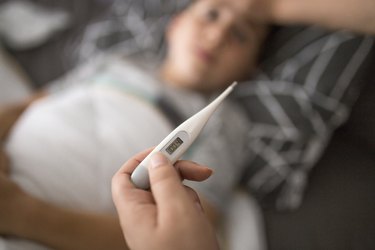
To be a donor you must pass a physical examination including weight, blood pressure, pulse and temperature. Blood tests for transmissible diseases such as hepatitis B and C and HIV will be performed. Your blood will also be tested to determine total plasma protein levels and hematocrit/hemoglobin levels to identify underlying conditions such as anemia, dehydration or bone marrow problems.

Medical History

Prior to donation, a complete medical history will be taken. If you have asthma, diabetes, AIDS, hepatitis, jaundice or leukemia, you cannot donate plasma. If you have undergone a surgical procedure of any kind, there may be a waiting period after surgery before you can donate plasma. Anyone with an active illness, even a cold or flu, cannot donate plasma until they are well. There are many conditions, medications and illnesses that can prevent you from being a donor, so be sure to reveal your complete medical history to keep yourself and those receiving the plasma safe.

At-Risk Behavior

Any potential donor who has exhibited behavior considered high risk for contracting hepatitis or HIV during the donation establishments specified deferral time frame cannot be a donor. This behavior includes participating in male-to-male sex, intravenous drug use or receiving an accidental needle stick or transfusion.

Provide Informed Consent

All donors must provide written informed consent, meaning that the risks and dangers of donating plasma have been explained to you by a qualified physician and you agree to these risks. These risks include complications such as a hematoma (a collection of blood outside the blood vessels), infection at the puncture site or tingling of the lips or fingers caused by the anticoagulant used in the procedure. Side effects, including nausea, vomiting, light-headedness, fainting or seizures may also occur. Plasmaphoresis (the process) may illicit an allergic reaction, resulting in flushing, itching, hives, cramps, difficulty breathing, chest pains or bronchospasms. If the plasmaphoresis is performed manually (which is rarely done), the donor has a risk of receiving another donor's red blood cells, resulting in hemolytic transfusion reaction.

References

Article reviewed by Carrie Last updated on: Mar 28, 2011

Must see: Photo Galleries