



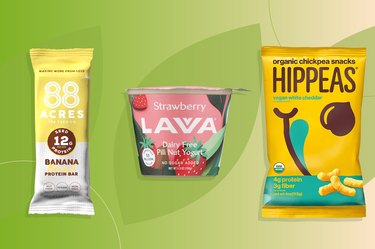
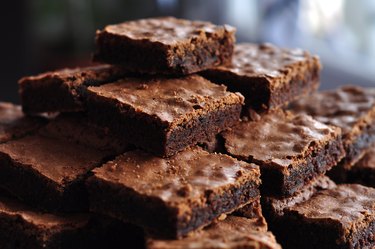
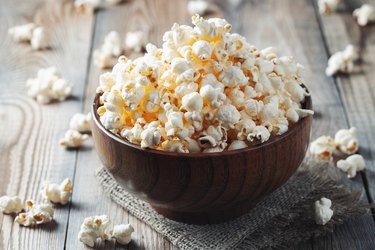
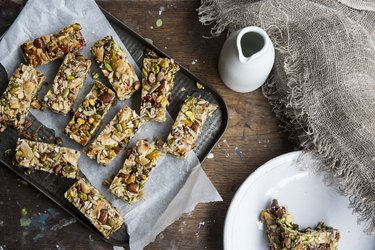


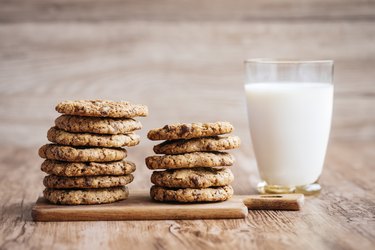








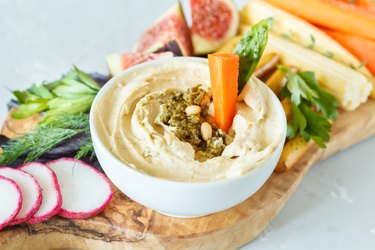

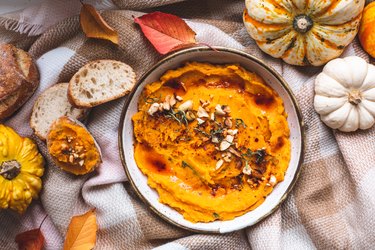





Chickpeas, one of the first vegetables to be domesticated, are the most widely consumed legume in the world, according to FoodReferences.com. Extremely high in protein, chickpeas are ideal for vegetarian and vegan diets. They are wonderfully versatile, very tasty and filling and an inexpensive source of nutritional benefits for overall health and protection from disease.
History
Since before 10,000 BC, chickpeas were grown in the Middle East and used by hunters for sustenance. By 7,500 BC, Egypt, Rome and Greece were consuming various forms of chickpeas raw, in broth and for snacks. Later, Spanish explorers spread chickpeas to Europe. Germany cultivated chickpeas for a coffee substitute during World War I. Today, chickpeas are grown all over the world.
Identification
Chickpeas or garbanzo beans are legumes with a firm texture and a nutty flavor, like a combination of chestnuts and walnuts. The familiar chickpea in North America has a pale yellow color, but India grows varieties that are red, black and brown.
Nutrition
Chickpeas have 361 calories per 100g, and are a good source of protein containing about 20 percent in content, which is equivalent to meat. They are an excellent source of dietary fiber. Chickpeas contain vitamins A, C, D, E and K and trace minerals such as copper, zinc and manganese, important for energy-producing enzymes. Iron in chickpeas improves hemoglobin levels and blood flow to the heart. Magnesium and potassium in chickpeas may help to regulate blood pressure. Chickpeas are a good source of B-vitamins thiamine, riboflavin, niacin and folate, important for protection from anaemia and neurological and cardiovascular disorders. A good source of calcium, chickpeas benefit skeletal health.
Canned Chickpeas Vs Dried
The nutritional value in canned chickpeas is very poor compared with traditionally cooked chickpeas. When deciding to open a convenient can of chickpeas, consider that 50 percent of the nutrients are lost during the canning process. Canned chickpeas contain 52 percent more sodium and only about half as much iron and copper compared to cooked chickpeas. You lose 30 percent of the minerals magnesium, phosphorus and potassium and 10 to 25 percent zinc, calcium and selenium when you use canned chickpeas. Canned chickpeas contain less niacin, folate and Omega-3 fatty acids and lose many essential amino acids, according to A Healthy Purpose.
Cholesterol Reduction
Chickpea are rich in dietary fibers, both soluble and insoluble, that may help reduce cholesterol levels. Additionally, chickpeas are unique from other legumes in their lipid content. A study appearing in the 2006 "Annals of Nutrition and Metabolism" found total serum and low-density lipoprotein cholesterol levels were significantly lowered by a chickpea-supplemented diet, compared with the wheat-supplemented diet. Findings were that the chick-pea diet had lower protein and monounsaturated fat and higher carbohydrate intake. It was suggested serum lipids differences were due to polyunsaturated fatty acid and dietary fiber contents of the two intervention diets.
Diabetes
Chickpeas may help prevent elevated blood sugar levels, making them a good choice for diabetics or if you have insulin-resistance or hypoglycemia. A U.S. patent application from Jumpsun Bio-Medical Shanghai Company Ltd. conducted studies of chickpeas for prevention and treatment of obesity and non-insulin dependent diabetes. The effects on mice proved that chickpeas not only decreased triglyceride, cholesterol and LDL levels, but found improvement in the hypo-sensitivity to insulin.
References
- AgroProducts: Chickpeas: History of Chickpeas
- FoodReference.com: Chickpea
- GL25p14a17.pdf: Chickpea in the European Diet
- A Healthy Purpose: Chickpea Facts and From Scratch Hummus
- "Annals of Nutrition and Metabolism:" Dietary Supplementation with Chickpeas for at Least 5 Weeks Results in Small but Significant Reductions in Serum Total and Low-Density Lipoprotein Cholesterols in Adult Women and Men; J.K. Pittaway et al; 2006
- Google Patents: Chickpea Extracts As Therapeutic Agents And Foods In The Treatment And..:United States Patent Application Publication; Yuanjun Gu et al; 2008


Member Comments