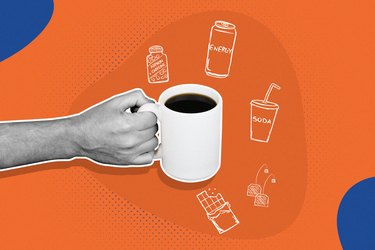
Whether it's a morning cup of joe, afternoon Diet Coke or pre-gym energy drink, many of us look to caffeinated beverages for a little extra pick-me-up. That's because the effects of caffeine on the body can give you energy and improve your athletic performance, to name a few.
Indeed, a whopping 85 percent of Americans down at least one caffeinated drink per day, per a January 2014 study in Food and Chemical Toxicology.
Video of the Day
Video of the Day
But have you ever wondered what caffeine does to your body and how it works its magic? Caffeine has benefits and side effects that can influence your brain, bowels and more, starting at the very first sip.
Here's how caffeine — in coffee and beyond — affects the different systems of your body.
Brain and Central Nervous System
Caffeine can change your nervous system and brain in a number of ways, including:
1. It Makes You Feel More Alert
The short-term effects of caffeine on the body are the reason so many people enjoy it first thing in the morning.
Caffeine is a stimulant that affects your central nervous system, including dilating the blood vessels in your brain, which makes you feel more awake and alert, according to a January 2015 review in Current Neuropharmacology.
"The effect can be fairly immediate," says registered dietitian Laura Burak, RD, CDN. That near-instant reaction is why so many coffee-lovers count on a cup of brew to perk them up in the morning.
Tip
Caffeine is sometimes used as an ingredient in certain medications — particularly over-the-counter and prescription headache treatments, pain relievers and cold medicine — because its effects on the central nervous system can help some drugs work more effectively, per the Cleveland Clinic.
2. It May Improve Your Memory
Drinking coffee may affect how well you perform at work or school, as caffeine and short-term memory seem to have a positive relationship. A January 2014 study in Nature Neuroscience found that caffeine can improve memory consolidation — the process of committing what we've learned to long-term memory — for up to 24 hours after it's eaten.
3. It Can Lead to Insomnia
If you're sensitive to caffeine, even moderate amounts of it can contribute to insomnia, according to the Cleveland Clinic.
And in the long term, drinking a lot of caffeine throughout the day might lead to a vicious cycle of insomnia and fatigue wherein you consistently lose sleep because of caffeine's effects and then need to drink caffeine to be alert during the day.
4. It Can Cause Jittery Side Effects
While a cup of joe isn't harmful, drinking too much coffee can be bad for you.
That's because some people can experience side effects from drinking too much coffee (or even moderate amounts, if you're sensitive to caffeine), per the Cleveland Clinic. These negative effects of coffee can include:
- Headache
- Nervousness
- Dizziness
- Experiencing "the jitters" or feeling shaky
- Heart palpitations or fast heartbeat
- Blurred vision
How Much Coffee Can You Drink?
Adults can safely drink up to 400 milligrams of caffeine per day (that's about four 8-ounce cups of coffee), according to the Mayo Clinic.
5. It Can Make You Sweat
Although sweating is not a common effect of caffeine, it does occur in some individuals, per the U.S. National Library of Medicine (NLM). That's because caffeine can raise your body temperature, along with your heart rate and blood pressure (more on that later), all of which may induce perspiration, according to the University of Michigan.
This can be especially true if you tend to gravitate toward the maximum recommendation of 400 milligrams of caffeine a day, according to the Mayo Clinic.
Caffeine sweats are generally not a cause for concern and should go away when the caffeine is metabolized and excreted from the body. However, if you are concerned about your sweating, call your doctor.
Other times, certain medical conditions may interact negatively with caffeine. For instance, people going through menopause may want to take note in particular if they find themselves sweating after coffee.
Indeed, a February 2015 study in Menopause found an association between caffeine intake and an increase in hot flashes and night sweats in people experiencing menopause. Based on these preliminary findings, the researchers suggest that limiting caffeine may help reduce the severity of both symptoms.
Rule Out Other Causes of Sweating
Temporarily cutting out caffeine can help you determine if it's the cause of your perspiration. But if the sweating continues, it could be due to another factor or underlying condition. Per the NLM, here are some other common causes of sweating:
- Strong emotions like nervousness, anger, embarrassment or fear
- Hormonal changes
- Illness
- Low blood sugar
- Overactive thyroid
- Hyperhidrosis
- Spicy foods
- Alcohol
- Certain medications
- Warm temperatures
6. You Can Develop a Dependency
Caffeine is the most commonly used drug in the world, according to a September 2013 review in the Journal of Caffeine Research. But while caffeine is generally considered safe, an increasing amount of research shows that some people can become dependent on it.
This can occur because drinking too much caffeine regularly can up your tolerance for the substance, requiring you to drink more and more to achieve the desired affect. Factors like your genetics and craving the energetic effects of caffeine can also contribute to a dependence, per the Journal of Caffeine Research.
Here are some signs you have a caffeine dependency:
- A persistent desire or unsuccessful efforts to cut down or control caffeine use
- Continued use despite harm
- An inability to perform routine activities without caffeine
- You take it to relieve or avoid withdrawal symptoms
Per the Cleveland Clinic, common caffeine withdrawal symptoms include:
- Headache
- Low energy
- Decreased alertness
- Difficulty concentrating
- Irritability
- Nausea
- Muscle pain
Heart
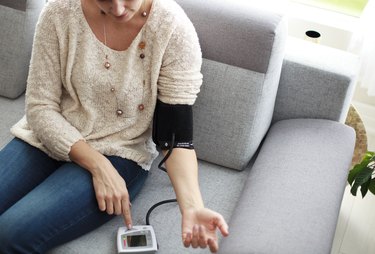
Your heart and circulatory system are no exception when it comes to the effects of caffeine on the body. Here's how caffeinated beverages can affect your cardiovascular functioning:
1. It Can Increase Your Heart Rate and Blood Pressure
Caffeine may cause a temporary spike in your heart rate and blood pressure, according to the Mayo Clinic. This short-lived peak is likely linked to an increase in adrenaline and other hormonal reactions triggered by the stimulant.
But caffeine affects everyone differently. "While some may feel their blood pressure and heart rate rise immediately, others with a higher tolerance will not feel any effect," Burak says.
Fortunately for coffee-lovers, the recommended upper limit of 400 milligrams of caffeine a day doesn't appear to create any serious health problems, per the USDA. That said, Burak suggests that people with a history of heart disease limit their caffeine intake.
2. It Can Up Your Cholesterol
Though coffee itself doesn't contain cholesterol, the culprit here may be cafestol, an oil that is naturally present in coffee beans, per September 2019 research in the International Journal of Molecular Sciences. This study found that cafestol was linked to increased levels of bad cholesterol.
Different brewing methods and roasting times may filter out certain amounts of cafestol, according to a November 2012 study in Food Research International. Still, more research is needed to understand the link between coffee and cholesterol.
3. It Doesn't Mix Well With Certain Medications
You'll want to be mindful about your caffeine consumption if you're taking certain medications or supplements, as combining the two can sometimes be harmful to heart health (and potentially cause other side effects, too).
Per the Mayo Clinic, the following medications may interact negatively with caffeine:
- Ephedrine: Mixing caffeine with ephedrine, an ingredient in decongestants, may increase your risk of high blood pressure, heart attack, stroke or seizure.
- Theophylline: This medication, used to open up bronchial airways, tends to have some caffeine-like effects. Taking it with caffeine might increase the adverse effects of caffeine, such as nausea and heart palpitations.
- Echinacea: This herbal supplement, which is sometimes used to prevent colds or other infections, may increase the concentration of caffeine in your blood and may increase caffeine's undesirable side effects.
And remember — this list isn't exhaustive. For this reason, talk with your doctor or pharmacist about the potential adverse effects of mixing your prescriptions with caffeine.
Filtered vs. Unfiltered Coffee
Is unfiltered coffee bad for you?
An April 2020 study in the European Journal of Preventive Cardiology examined the coffee habits of 508,747 people and found that drinking unfiltered coffee was associated with higher rates of heart disease and death than drinking filtered coffee. According to the researchers, those that drank nine cups of unfiltered coffee per day had the highest mortality.
More research is needed to fully understand the health effects of unfiltered coffee. But something we do know? Excess cream and sugar won't do your health any favors.
Digestive System

If you're wondering why coffee or caffeine makes you pee or poo (often a lot), there's a reason for that — caffeine can take a toll on your digestive tract. Here are some of those gut-related side effects of coffee:
1. It'll Make You Pee
Does coffee or caffeine make you pee? If so, you're not alone — it's a common side effect.
That's because caffeine is a natural diuretic, which in layman's terms means that coffee makes you pee. "Caffeine creates blood flow to the kidneys, where liquid is processed," Burak says, adding that drinking a large mug or thermos of coffee or tea every morning may be the culprit behind frequent trips to the bathroom.
When the urge strikes depends on your size, metabolism and caffeine intake. Typically, though, your bladder will need emptying within one to two hours of ingesting a caffeinated drink, Burak says. And if you feel like you are urinating too frequently, limiting or avoiding caffeinated beverages may help.
2. You'll Probably Need to Poo, Too
If you notice the impulse to poop after sipping your morning brew, that's also common — coffee can make you poop.
"Caffeine, especially that in coffee, stimulates your gastrointestinal tract and creates peristalsis, or that wave-like pattern that moves contents through your intestines and to your bowel," Burak says.
Once again, a host of factors affect how quickly this happens. Some people may feel the effects immediately, while others may have a delayed urge to hit the restroom.
3. Constipation May Occur
Sometimes caffeine can have the opposite effect, though.
Remember, caffeine can make you pee more frequently, Burak says. So if you don't drink enough water alongside your coffee, you can become dehydrated, which can in turn lead to constipation, according to the Mayo Clinic.
Muscles
Caffeine is typically associated with a jolt of energy or regular trips to the bathroom. But it can also play a role in the health of your tissues. So, how does caffeine affect the body's muscles?
1. It May Improve Muscle Endurance
In addition to your central nervous system and heart, caffeine stimulates your muscles. In fact, it may do wonders for your workouts — caffeine has been shown to improve endurance, Burak says.
2. It Can Promote Strength
Plus, caffeine can enhance strength training and performance, per the American Council of Exercise.
A March 2018 meta-analysis of 20 studies in the Journal of the International Society of Sports Nutrition found that caffeine improved both muscle strength and power when ingested before exercise, especially upper body strength. However, the researchers noted that additional studies need to be done to determine which forms of caffeine are most effective.
3. It Can Decrease Post-Workout Soreness
Finally, Burak says caffeine has been shown to decrease muscle soreness after exercise, an effect that may be related to its antioxidant properties, which help decrease inflammation in the body (and, as a bonus, can also support skin and hair health).
Does Coffee Make You Short?
Perhaps you've heard the myth that coffee can stunt your growth. Luckily, there's no evidence to back up this claim, per Harvard Health Publishing — caffeine doesn't make you short.
Reproductive System
Just like alcohol, caffeine travels through your bloodstream to the placenta. And high amounts of the substance can negatively affect a developing baby's breathing and heart rate, per the University of Michigan.
In general, limiting your caffeine intake to one 8-ounce cup of coffee a day is considered safe, but talk to your doctor to determine if you should skip caffeine entirely while you're pregnant, according to the University of Michigan.
- Nature Neuroscience: “Post-study caffeine administration enhances memory consolidation in humans”
- Mayo Clinic: “How does caffeine affect blood pressure?”
- American Council on Exercise: “How Caffeine Affects Athletic Performance”
- U.S. Food and Drug Administration: “Spilling the Beans: How Much Caffeine is Too Much?”
- Food and Chemical Toxicology: “Beverage caffeine intakes in the U.S.”
- Journal of the International Society of Sports Nutrition: "Effects of caffeine intake on muscle strength and power: a systematic review and meta-analysis"
- U.S. National Library of Medicine: "Sweating"
- Menopause: "Caffeine and menopausal symptoms: what is the association?"
- Journal of Caffeine Research: "Caffeine Use Disorder: A Comprehensive Review and Research Agenda"
- Cleveland Clinic: "Caffeine: How to Hack It and How to Quit It"
- European Journal of Preventive Cardiology: "Coffee consumption and mortality from cardiovascular diseases and total mortality: Does the brewing method matter?"
- University of Michigan: "Caffeine Q & A"
- Harvard Health Publishing: "Can Coffee Really Stunt Your Growth?"
- Current Neuropharmacology: "Caffeine: Cognitive and Physical Performance Enhancer or Psychoactive Drug?"
- Mayo Clinic: "Caffeine: How much is too much?"
- International Journal of Molecular Sciences: "Cafestol and Kahweol: A Review on Their Bioactivities and Pharmacological Properties"
- Food Research International: "Cafestol extraction yield from different coffee brew mechanisms"
- Mayo Clinic: "Constipation"