



How Green Leafy Vegetables Affect Coumadin

The Process

Coumadin (warfarin) is an anticoagulant that reduces the ability of blood clots to form in the body. The purpose of Coumadin therapy is to create blood that contains too few clotting proteins to cause clots, but that still contains enough clotting ability to prevent uncontrollable bleeding, such as with a cut or injury.

Diet plays an important part in effective Coumadin therapy. Vitamin K found in green leafy vegetables can have a negative impact on the effectiveness of Coumadin to prevent blood clots.

How it Works

Vitamin K and Coumadin work against each other. Vitamin K is a necessary nutrient in the production of blood clots. The liver uses vitamin K to make proteins, which are responsible for the clotting process. As an anticoagulant responsible for stopping blood clots, Coumadin works against the body's natural clotting ability by slowing production of vitamin K and clotting proteins in the liver. Coumadin is taken in dosages specific to how much clotting protein is in the blood.

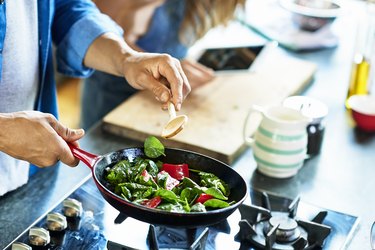
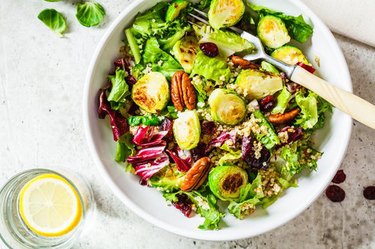
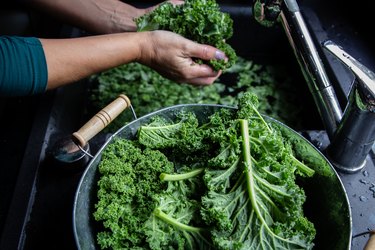
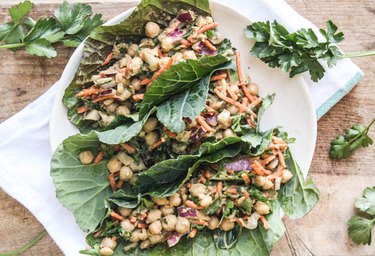
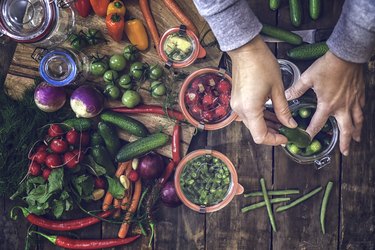
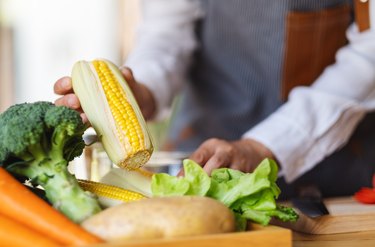
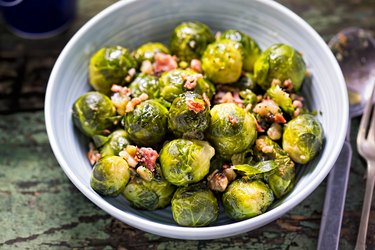
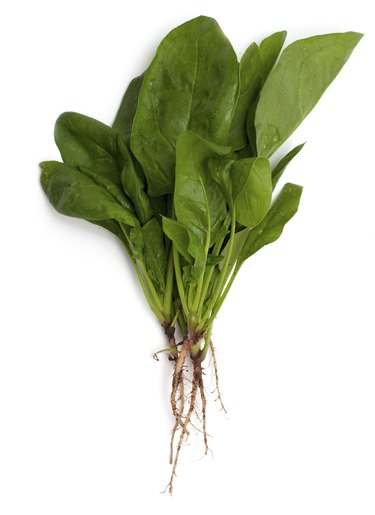
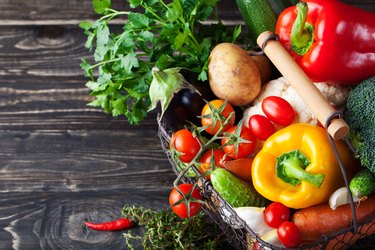
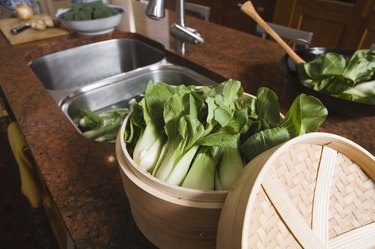
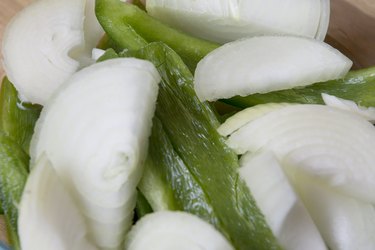
Green leafy vegetables, such as broccoli, spinach, brussels sprouts, Swiss chard, cabbage and collard greens contain high levels of vitamin K, and if not consumed in balance can cause Coumadin to be ineffective in slowing production of clotting proteins. Too much vitamin K may cause blood to be too thick; too little vitamin K may cause blood to be too thin. Regular blood testing while on Coumadin, called an INR test, is necessary to measure how well Coumadin is working to control clots and ensure the correct dosage is being taken.

Putting Theory to Use

A significant change in the amount of vitamin K-rich food consumed at once can drastically alter the ability of Coumadin to regulate liver production of clotting proteins by allowing too much production of vitamin K. Alternately, a drastic decrease of vitamin K foods in a diet that previously included them can have the opposite effect by making blood too thin. Balancing a vitamin K enriched diet can be obtained by consistent consumption of green leafy vegetables, or other foods containing vitamin K, or by maintaining a diet low in vitamin K foods. This consistency allows Coumadin and the liver to work together to balance the production of vitamin K, and enables Coumadin to be dosed appropriately.

Maintenance

Regular INR blood tests are taken to ensure the correct dosage of Coumadin is being used. Additionally, diet should be discussed regularly with a physician throughout Coumadin therapy, especially if significant changes in consumption of vitamin K foods have taken place.

References

Article reviewed by Anton Alden Last updated on: Mar 10, 2011

Must see: Photo Galleries