

















Impacted stool occurs when feces becomes blocked in the rectum. It has a number of causes, such as too little fiber in the diet, gastrointestinal disorders and dehydration. You can relieve and prevent impacted stool by adjusting your diet.
Significance
Impacted stool, is caused by chronic constipation. According to MayoClinic.com, the symptoms of constipation include infrequent bowel movements, difficulty evacuating the bowels and passing hard stools. What is considered a regular bowel movement varies from person to person and depends on age, state of health, diet and exercise. Generally, if you are passing fewer than three stools each week and your stools are hard and dry, you are suffering from constipation.
Features
In most cases, impacted stool is temporary and infrequent and you can resolve the issue by taking over-the-counter laxatives for a day or two. However, if the problem persists, or recurs frequently, you may want to consider changing your diet. Before making changes to your diet, you should seek the advice of a physician.
Prevention/Solution
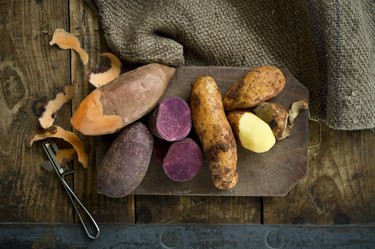
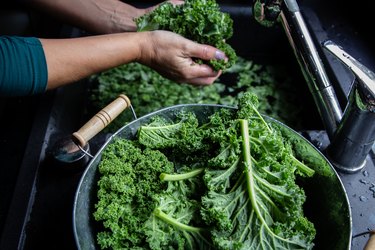
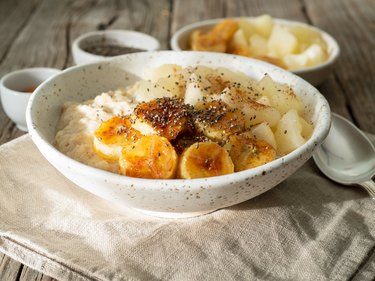
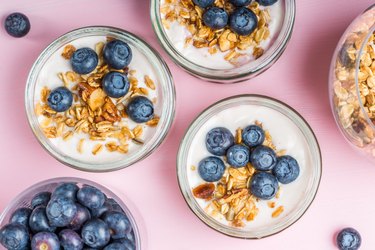
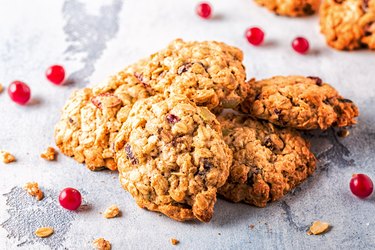
You may want to consider adding more fiber to your diet to bulk up your stools. There are two forms of fiber: soluble and insoluble. Both are indigestible. Soluble fiber dissolves in water, binds to elements clogging the intestine and removes blockages. It is found in fruit, oats, rye, barley, beans and legumes. Insoluble fiber helps to bulk up the stool, promoting easy transit. It is found in grains, nuts, fruit, vegetables and seeds. MayoClinic.com recommends including 20 to 35 g of fiber in your daily diet.
Considerations
You may also want to consider a fiber supplement. MayoClinic explains that over-the-counter products such as Citrucel and Metamucil can help improve bowel regularity and prevent blockage. These supplements contain psyllium, which is the husk from the psyllium plant. It is a water-soluble fiber that forms a gelatinous substance when dissolved and helps unblock impacted stool.
Alternative Treatments
If you prefer to consider alternative options, MayoClinic.com suggests massage techniques that stretch muscles, joints and skin, such as shiatsu. Acupuncture may also be useful as it can stimulate the colon. Homeopathic remedies such as bryonia may also be recommended. Consult your doctor before using homeopathic remedies.


