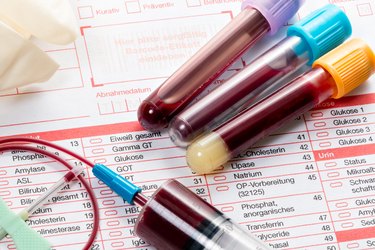
When you get routine blood tests, chances are one will measure your creatinine level. Creatinine is a byproduct of creatine, a protein found primarily in muscles. And if you have too much of it, it could be a sign that you have an underlying health issue. But what causes high creatinine, exactly?
Before exploring what causes high creatinine levels, it's important to know what creatinine is in the first place. According to the Cleveland Clinic, your body releases creatinine into your bloodstream when your muscles break down the protein creatine for energy (although creatinine is not a protein itself).
Video of the Day
Video of the Day
Once creatine breaks down to creatinine, your kidneys filter it out of your blood and expel it through your urine, per the Mayo Clinic. This is why creatine and kidney health are linked — in fact, high protein and creatinine in urine or blood tests can indicate problems with your kidney function.
Because creatinine originates in muscles, people with more muscle tend to have higher levels of the substance. But in general, here are typical creatinine ranges, per the Mayo Clinic:
- People assigned male at birth: 0.74 to 1.35 mg/dL
- People assigned female at birth: 0.59 to 1.04 mg/dL
Remember, kidney damage, which prevents normal elimination of creatinine through the urine, is one of the main causes of high creatinine, according to the Cleveland Clinic. But that's not the only reason — here are other common elevated creatinine causes to consider.
1. Kidney Damage
One typical cause of elevated creatinine is acute kidney injury, according to the Cleveland Clinic. Kindey damage can occur due to disease, infection and inflammation, and symptoms to look out for include:
- Swelling
- Fatigue
- Changes in how often you urinate
- Loss of appetite
- Nausea
- Itching
Sometimes this damage is caused by low blood flow to the kidneys, according to a July 2022 article in StatPearls. This can result from a number of conditions, such as low blood pressure, heart failure, severe dehydration, major blood loss or narrowed arteries leading to the kidneys.
In other instances, the kidneys themselves are directly damaged. This can be the result of conditions like diabetes, high blood pressure, kidney disease or your genetics, according to the Cleveland Clinic.
Tip
A normal creatinine level doesn't always mean that your kidneys are perfectly normal. In fact, creatinine levels will not rise above the normal range until your overall kidney function has decreased to 50 percent of normal, per the StatPearls article. So if you have any other symptoms of kidney issues, visit your doctor.
2. Urinary Tract Blockage
Another potential high creatinine cause is a urinary tract blockage. After urine leaves the kidneys, it travels through the ureters to the bladder and then exits the body through the urethra, according to Johns Hopkins Medicine.
But if there's a blockage at any location along this path, urine can temporarily back up into the kidneys and raise creatinine levels in the blood, per the Cleveland Clinic.
Other symptoms to look out for include:
- Pain in your abdomen, lower back or sides
- Fever
- Nausea or vomiting
- Difficulty urinating or emptying your bladder
- More frequent urination
- Recurring urinary tract infections
- Bloody or cloudy urine
- Swollen legs
And while high creatine levels are a sign of urinary tract blockage, creatine cannot cause these urinary problems by itself. Instead, kidney stones, tumors and internal scarring are some common causes of a blockage.
If you show symptoms of a urinary tract blockage, visit your doctor for a diagnosis and treatment.
Does Creatine Make You Pee?
While creatinine, the byproduct of creatine, is excreted in your urine, there's no evidence to suggest that creatine makes you pee more than usual.
3. Creatine Supplements
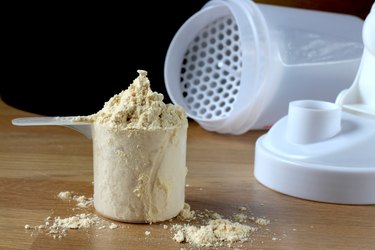
Creatine supplements are one explanation for what causes high creatine levels in the body. Indeed, many people use creatine supplements to increase muscle mass and strength, according to the Cleveland Clinic. But does taking creatine increase creatinine levels in urine?
Taking creatine does have the potential to increase creatinine levels. According to a small January 2022 study in Drug Testing and Analysis, taking creatine does increase creatinine concentration in urine samples. However, this study only included 18 people, so more research is needed to better establish the link between creatine and creatinine levels.
Similarly, more research is needed to understand exactly how much creatine can raise creatinine levels. But September 2014 research in BMJ Case Reports found that one type of creatine supplement — called creatine monohydrate — only caused marginal increases in creatinine levels.
4. Medications
If your creatinine level is high, other causes to consider include the medicine you take.
For instance, some medications interfere with your kidneys' ability to eliminate creatinine (though they don't produce actual kidney damage), according to 2012 research in The Permanente Journal. H2-blockers — such as cimetidine and ranitidine — and the antibiotic trimethoprim are examples of medications with these effects.
Other medications and chemicals can lead to falsely high creatinine test results despite normal amounts of creatinine in the blood, according to the same study. These falsely high levels can occur with:
- Cefoxitin and cefazolin antibiotics
- Barbiturates
- N-acetylcysteine
- Flucytosine (a chemotherapy medicine)
- Nitromethane (a chemical commonly found in radio-controlled vehicle fuels)
5. Other Medical Conditions
Other health issues can mess with your creatinine levels. Here's what can cause high creatinine:
Rhabdomyolysis
Rhabdomyolysis is a rare condition characterized by the death of muscle cells. This releases creatinine into the blood, causing creatinine levels to rise, according to October 2016 research in the Journal of the Norwegian Medical Association.
Another protein in muscles, called myoglobin, is also released when these cells die. Myoglobin can directly damage the kidneys, further increasing creatinine levels.
Diabetic Ketoacidosis
Diabetic ketoacidosis (DKA) is a life-threatening condition caused by very high blood sugar, and can occur in people with type 1 diabetes. DKA often produces severe dehydration, and this can lead to kidney damage and high creatinine levels, according to The Permanente Journal research.
Creatinine levels can also be elevated because high quantities of acetoacetate in the blood during DKA may interfere with some creatinine lab tests, per the study.
High Levels of Certain Proteins
High concentrations of certain types of proteins in your blood are also what causes a high creatinine level, because they may interfere with the way creatinine is measured.
For instance, a November 2016 study in the American Journal of Kidney Diseases in November 2016 and a January 2017 study in BMJ Case Reports each report people with high immunoglobin M paraprotein levels who had falsely high creatinine levels. In one of these people, the cause of the increased paraprotein was unknown, while in the other person, it was due to lymphoma.
However, each of these studies only focused on one person, so more research is needed to better establish the link between certain proteins and creatinine levels.
6. Diet and Exercise

What you eat can cause creatinine to be high, but it typically isn't cause for any concern. For instance, eating red meat can temporarily increase your creatinine levels by 30 percent, according to the StatPearls article. That's why, for example, eating a meat-heavy keto diet may contribute to increased creatinine levels.
Additionally, extreme exercise can lead to increased muscle breakdown. This releases more creatinine into your bloodstream, which may temporarily raise your creatinine levels, according to The Permanente Journal study. Dehydration from strenuous activity can likewise contribute to heightened creatinine levels.
- BMJ Case Reports: "Deceiving Proteins! A Case of Lymphoma and High Creatinine"
- The Permanente Journal: "False Estimates of Elevated Creatinine"
- American Journal of Kidney Diseases: "Falsely Elevated Plasma Creatinine Due to an Immunoglobulin M Paraprotein"
- Mayo Clinic: "Creatinine Test"
- Cleveland Clinic: "Creatinine Clearance Test"
- Johns Hopkins Medicine: "Anatomy of the Urinary System"
- Cleveland Clinic: "Ureteral Obstruction"
- Cleveland Clinic: "Creatine"
- Drug Testing and Analysis: "The effect of creatine ingestion on urinary creatinine concentration: Does supplementation mask a heavy dilution?"
- BMJ Case Reports: "How the use of creatine supplements can elevate serum creatinine in the absence of underlying kidney pathology"
- Journal of the Norwegian Medical Association: "An increase in the number of admitted patients with exercise-induced rhabdomyolysis"
- StatPearls: "Renal Function Tests"
Is this an emergency? If you are experiencing serious medical symptoms, please see the National Library of Medicine’s list of signs you need emergency medical attention or call 911.