


















Healthy Snacks & Benefits

Healthy Snacks & Benefits
Photo Credit healthy snack image by Daughterson from Fotolia.com

Eating healthy snacks is a simple method for ensuring that your body gets the nutrients and energy it needs throughout the day. If you're on a weight management program, maintaining a regular snack time routine can actually help you stick to your diet, as long as you eat in moderation and choose healthy foods. Snacking is also important for athletes who need to stay in condition for competition, and for children who are still growing.

Healthy Eating Defined

It is important to know how to eat healthy. You should try to get three regular meals per day, in the morning, afternoon and evening, as the Center for Young Women's Health recommends. Ideally, snacks should not substitute for regular, full meals; you should snack when you need extra energy or feel hungry, but don't overeat. Try to eat foods from all the food groups -- fruits, vegetables, proteins, grains, healthy fats and dairy -- in order to get the maximum benefit.

Snacking for Athletics

Athletes and people who engage in regular physical exercise need more energy than those who have a sedentary lifestyle, as Drugs.com notes. However, a busy schedule may make it difficult to get these extra calories and nutrients through proper mealtimes. Healthy snacks allow you to make up the difference without taking too much time for preparation and eating. Snacking before exercise can also give you an energy boost to aid your performance, while having a snack after exertion helps prevent overeating during mealtime.

Children's Physical Development

During adolescence, children's bodies start developing rapidly. This process takes a lot of energy, and therefore often leaves kids feeling hungry, KidsHealth explains. Healthy snacking helps meet children's elevated nutritional requirements while ensuring that they don't gain excessive amounts of weight or consume foods that contain unhealthy amounts of sodium, carbohydrates and fats. This is especially important for teenagers, who may tend to opt for unhealthy, nutrient-poor junk foods for their snacks and meals.

Weight Management

Contrary to popular belief, snacking does not destroy diets, as long as it is properly planned. In reality, healthy snacking helps prevent binge eating, MayoClinic.com notes. When your hunger is momentarily alleviated, you will be less likely to overindulge. But it all depends on your choice of snack food. The best options are foods that make you feel full, provide you with nutrients, while still leaving your appetite for a proper meal still intact.

Healthy Snack Choices

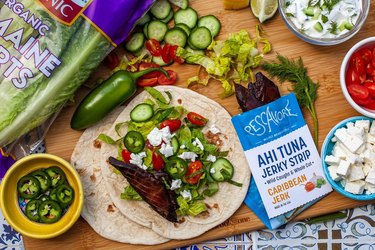
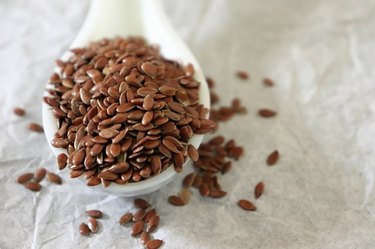
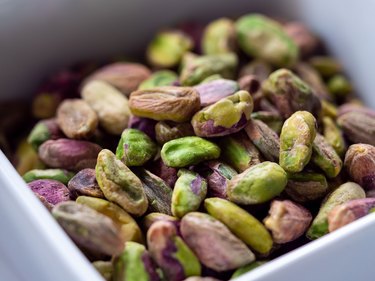
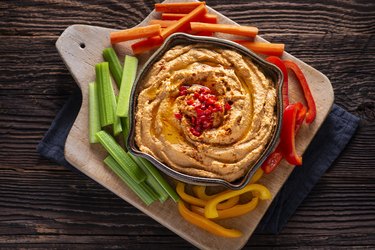
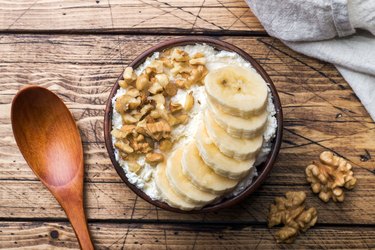
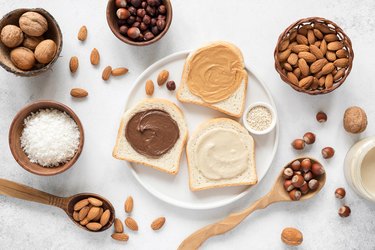
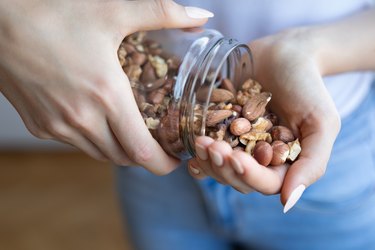
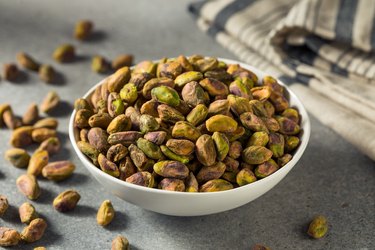
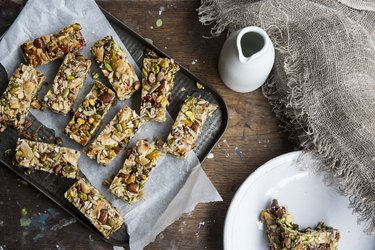
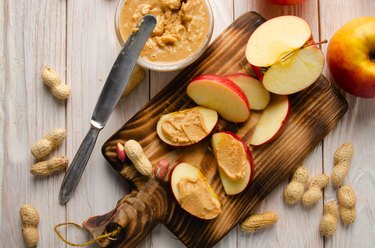
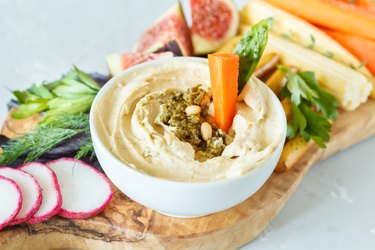
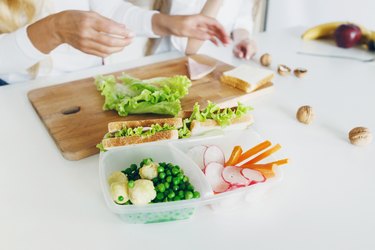
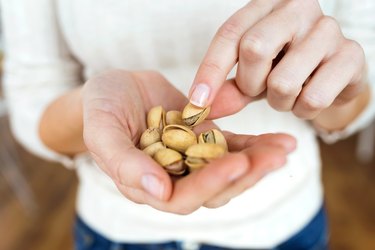
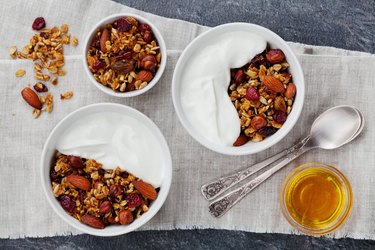
There are several foods to choose from if you're looking for a healthy snack. In general, the fresher and less processed the food, the better. Fruits and vegetables are among the most popular, since they contain lots of nutrients with little to no fat and are still very filling. Nuts and seeds, on the other hand, have high amounts of amounts of both protein and healthy monounsaturated fat. However, their high calorie content means they should be eaten in moderation.

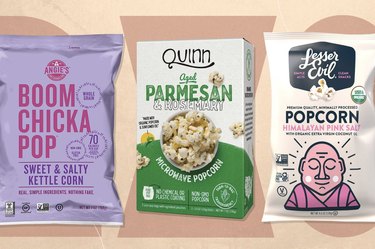
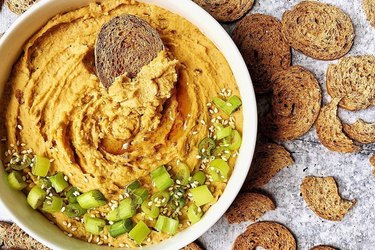
Whole grains have lots of fiber and complex carbohydrates that can greatly enhance your energy. Lastly, dairy products such as cheese and yogurt are rich in protein and calcium. Be sure to select low-fat and low-calorie variants.

References

Article reviewed by Libby Swope Wiersema Last updated on: Jan 1, 2011

Must see: Photo Galleries

Member Comments