If you're not getting the luxurious va-va-voom effect you want, you may be looking for ways to increase the thickness of your hair. For the most part, hair thickness is determined by genetics, according to the U.S. National Library of Medicine, as well as the thickness of your hair follicles and the number of follicles on your scalp.
That said, food can play a role in improving the thickness and overall health of your hair, says Shani Francis, MD, board-certified dermatologist and medical research executive at the California Skin Institute.
Video of the Day
Video of the Day
Nutrients for Healthy Hair
Omega-3 fatty acids are one of the most important nutrients for hair health. These have been shown to reduce hair loss and improve texture, according to January 2015 research in the Journal of Cosmetic Dermatology.
In addition to omega-3s, protein, iron, fiber, vitamins A, B, C, D and E and zinc are all important for hair growth, according to a January 2017 report in Dermatology Practical & Conceptual.
While large, rigorous trials are lacking on which foods directly influence hair growth, eating more of the nutrients that support healthy hair may help.
As far as nutrients go, these are the best foods for hair growth to consider adding to your eating plan.
1. Oily Cold-Water Fish
Fish like salmon, sardines, mackerel, trout, pilchards, kipper, herring and eel are all high-quality sources of protein and essential fatty acids (EFAs) omega-3 and omega-6.
As the Journal of Dermatology study shows, fatty acids help with hair growth by reducing hair loss and improving texture and thickness.
Warning
Pregnant and lactating people should consult their doctors about adding these fish to their diet, as some can be high in mercury, per the American Pregnancy Association.
2. Seeds
Seeds are a source of omega-3 fats, protein, zinc, biotin and vitamin E — all nutrients you need for healthy hair.
Seeds are also high in antioxidants, which have hair-growth benefits. Oxidative stress may cause damage to skin cells on the scalp and cause hair loss, according to June 2009 research in the International Journal of Trichology.
Antioxidants fight oxidative stress and could help reduce hair loss by protecting those skin cells.
Flaxseed is an excellent source of omega-3s and antioxidants. It's also a good source of vitamin E.
Pumpkin seeds contain zinc, which is thought to prevent hair loss, according to the International Food Information Council Foundation.
This could be because zinc helps with protein synthesis, cell growth and hair follicle development, per a January 2017 paper in Dermatology Practical & Conceptual.
Sunflower seeds are one of the best sources of vitamin E, which may help protect hair from environmental toxins, Dr. Francis says. Like flax, sunflower seeds are also high in those density-promoting omega-3 fats.
Oils from seeds, such as flaxseed oil, can also provide these important nutrients. And the fat in seed oil can help your body better absorb certain vitamins, like vitamin A and E, that keep your hair strong.
3. Orange Veggies
Thick hair requires a healthy scalp for continued growth, Dr. Francis says. Orange veggies like carrots and sweet potatoes contain beta-carotene, the precursor to vitamin A.
"Vitamin A is the workhorse of dermatology," Dr. Francis says. Vitamin A can also help the scalp produce sebum, oily secretions that can encourage healthy hair growth.
Tip
In case you haven't heard, eating a lot of orange vegetables can actually give your skin an orange tinge, according to Cleveland Clinic. But the effect is temporary and is not harmful, and it takes a lot of beta-carotene to get it: about 20 to 50 mg per day for a few weeks. That's about 5 to 10 medium-size carrots every day.
4. Avocados
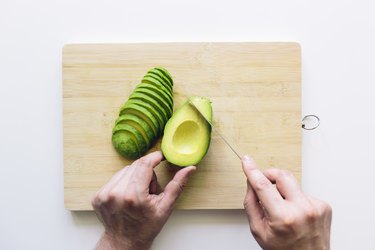
Avocados are not only an excellent source of omega-3 fatty acids and vitamin E, which promote hair growth, they also contain 2 to 6 micrograms of biotin, according to the Linus Pauling Institute. Hair loss is associated with biotin deficiency.
5. Dark Green Vegetables
Most dark greens -- such as broccoli, kale, spinach and Swiss chard -- are tremendous sources of vitamin A and iron. Vitamin A is essential for the production of natural oils that condition our hair and give it shine and elasticity. Dark green vegetables also provide iron and calcium, which are both essential to healthy hair.
People assigned female at birth (AFAB) dealing with hair loss are frequently found to be iron deficient, according to a March 2019 review in Dermatology and Therapy.
6. Eggs
When it comes to healthy hair, lately there's a lot of buzz about biotin -- a nutrient found in egg yolks.
Biotin is a B-complex vitamin needed for improving the strength of hair and making it grow more quickly, Dr. Francis says. Diets lacking in the vitamin are known to cause hair loss.
7. Legumes
Because hair follicles are made up of proteins, eating more protein is a great way to support hair growth. Legumes or beans are both great ways to get more plant-based protein, especially for vegetarians.
Besides protein, most beans also contain other hair-promoting nutrients like iron, zinc and B vitamins.
8. Nuts
Nuts are excellent sources of essential fatty acids, and most -- especially Brazil nuts, cashews, almonds and walnuts -- provide minerals like selenium and zinc, which support healthy tissue development, particularly on the scalp. Walnuts are especially great because they are high in omega-3 fatty acids, Dr. Francis says.
Nut butters can also give you those hair-growth supporting nutrients. Peanut butter, for example, has protein, zinc and healthy fats.
9. Whole Grains
Grains, such as whole wheat, barley, oats, quinoa, millet and spelt, provide a healthy helping of fiber and B vitamins as well as iron, zinc and silica.
Silica, which is found in many whole grains (along with raisins and beer), has been called the beauty mineral. Small studies show that silica may strengthen hair and prevent thinning, and other research suggests it helps deliver nutrients to the scalp, according to a May 2016 review in ABD Journal.
10. Oysters and Shellfish
Eating more oysters and shellfish gives you the nutrients that support thick, healthy hair. Oysters are a rich natural source of zinc, and most shellfish are also an excellent source of selenium, iron and protein, all crucial to hair health.
11. Dairy Products
Dairy products offer many of the critical nutrients needed to support hair growth and thickness, including protein, omega-3 fatty acids and calcium. A deficiency in calcium has been associated with hair loss, especially in postmenopausal people, according to a March 2016 report in Menopause Review.
Supplements
While whole foods are always preferential, supplements can provide easier access to higher concentrations of certain hard-to-get nutrients. Nutritional deficiencies can reflect in our hair, such as iron and biotin deficiencies, so talk to your doctor to find out if you need to supplement your diet.
- US National Library of Medicine: Is hair texture determined by genetics?
- Journal of Cosmetic Dermatology: Effect of a nutritional supplement on hair loss in women
- American Pregnancy Association: Mercury Levels in Fish
- International Journal of Trichology: Oxidative Stress and Aging Hair
- ABD Journal: Use of silicon for skin and hair care: an approach of chemical forms available and efficacy*
- Menopause Review: "Nutrition of Women with Hair Loss Problem During the Period of Menopause"
Is this an emergency? If you are experiencing serious medical symptoms, please see the National Library of Medicine’s list of signs you need emergency medical attention or call 911.