





























































Which Vitamin Is Best Known for Helping Promote Good Vision & Eye Health?

Which Vitamin Is Best Known for Helping Promote Good Vision & Eye Health?
Photo Credit carrots image by William Berry from Fotolia.com

Vitamins help the body perform many functions. Vitamin A is a major player in eye health and vision. In fact, the human eye contains the second most amount of vitamin A in the body, losing out only to the liver. Knowing how much vitamin A is recommended and where to get it in your diet can help promote eye health.

Vitamin A and Your Eyes

Vitamin A enhances two areas of eyesight: perception of light in the retina and the maintenance of the cornea. Vitamin A is present on the rhodopsin molecule, located on the inside of the retina. Bleaching from light activates this molecule. When rhodopsin is bleached, vitamin A breaks off and signals the brain that light is entering. From there, the brain can distinguish what we see.

Deficiency

When light hits the rhodopsin molecule and vitamin A is broken off, it must become reunited with the rhodopsin again. While some vitamin A is reused, most is destroyed in the process. Vitamin A must be replenished. If you don't have enough vitamin A in your diet, your body will not be able to supply it to your eyes. Without it, the process of detecting light slows. This can result in night blindness.

Recommended Intakes

Vitamin A intake is dependent on your body weight. For an average male, 900 mcg per day are recommended. For the average woman, 700 mcg per day are needed. If you are concerned about your vitamin A intake, speak with your doctor. He can give you an idea of the amount your body needs.

Sources

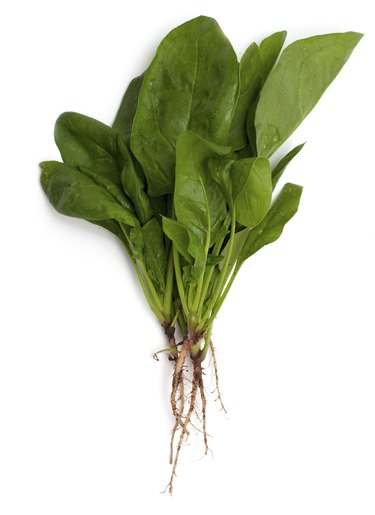
There are two forms of vitamin A: the active form and beta-carotene. Beta-carotene is a precursor to vitamin A inside the body. It takes about 12 mcg of beta-carotene to make 1 mcg of vitamin A. Beta-carotene is found abundantly in fruits and vegetables. These can include carrots, sweet potatoes, mangoes, apricots and spinach. The active form of vitamin A is found only in meat sources including beef and milk.

References

Article reviewed by Mia Paul Last updated on: Jan 17, 2011

Must see: Photo Galleries