









Interest in gluten-free diets has increased as gluten allergy, called celiac disease, has become more publicized. You may be confused about what products contain gluten, as gluten is often thought to be interchangeable with wheat. Gluten products comprise more than wheat. Knowing which products contain gluten can help those with celiac disease, gluten sensitivities and other conditions.
Wheat
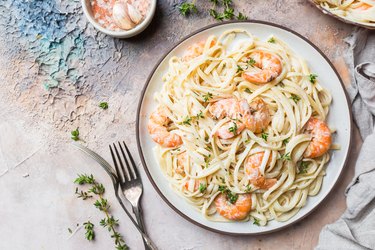
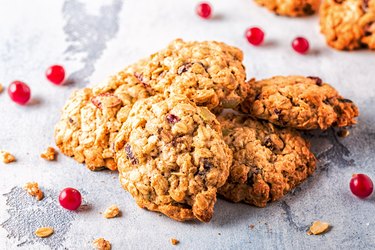
Wheat is derived from the wheat kernel, a seed that's milled to produce flour. The three parts of the wheat kernel are the endosperm, germ and bran. Each contributes a share of protein, carbohydrates and nutrients like fiber and vitamin B. Of the several types of cereal grains, wheat is used the most to make food products. Types of wheat include semolina, farina and varieties of flour used to make bake goods.
Gluten
Gluten is a protein found not only in wheat, but in rye and barley. Oats do not contain gluten protein, but the autism advocacy group Talk About Curing Autism, which advocates a gluten-free diet, states that oats are often contaminated with gluten through contact with wheat during growth or manufacturing. Gluten is often hidden in food products like alcohol and cooking sauces, and unexpectedly in lip balm, medications and lotions.
Gluten-Free Diet
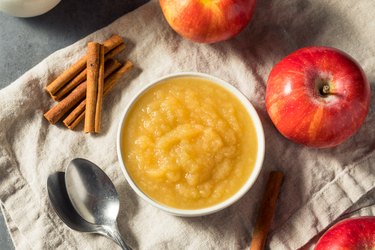
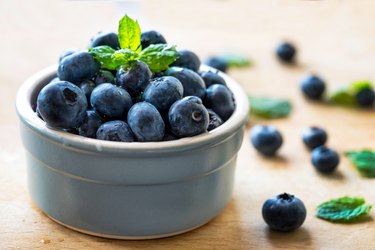
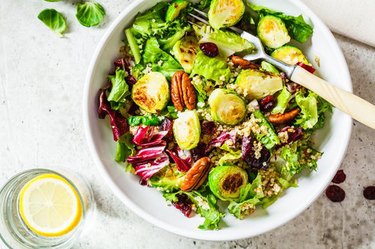
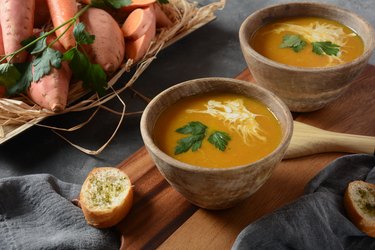
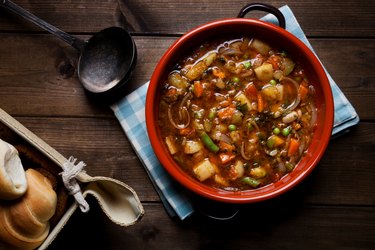
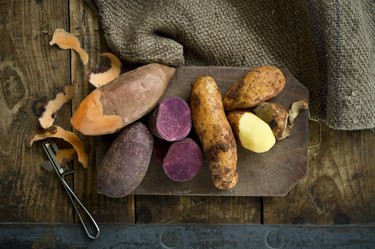
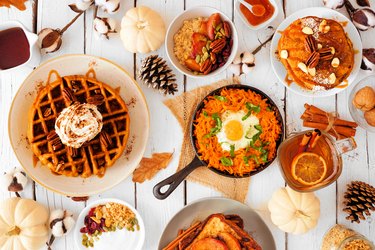
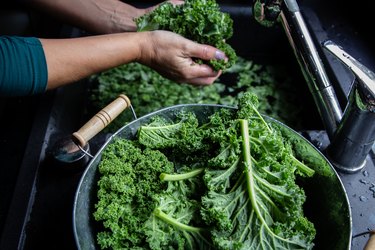
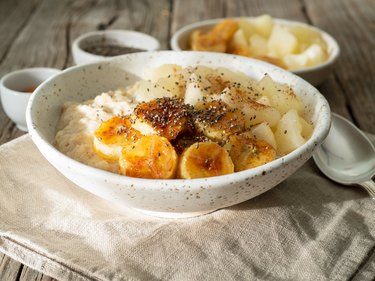
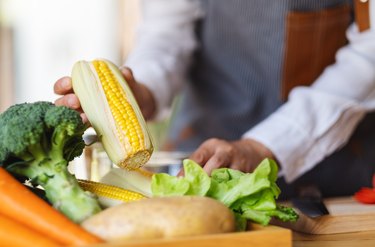
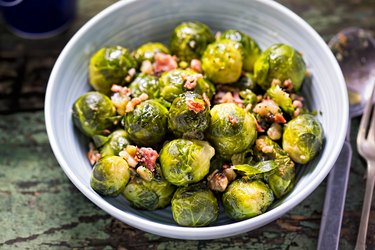
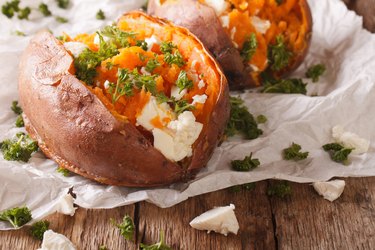
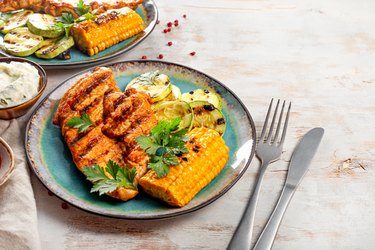
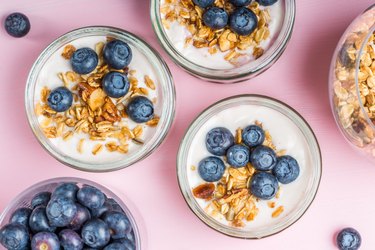
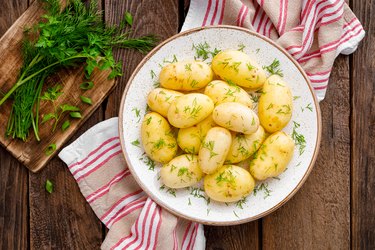
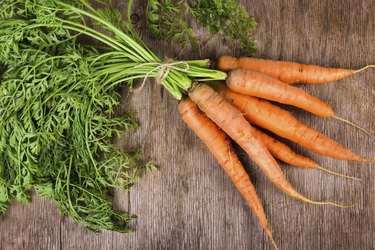
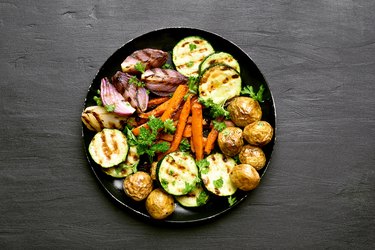
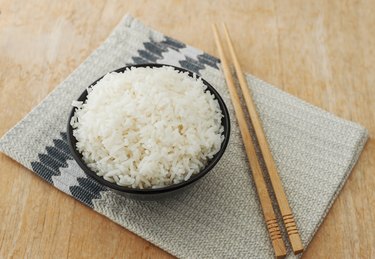
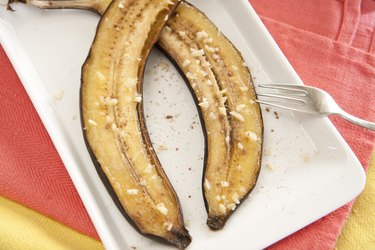
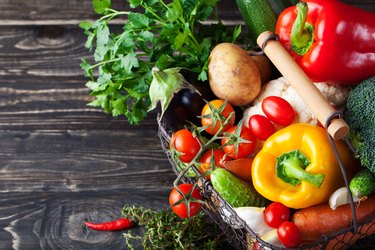
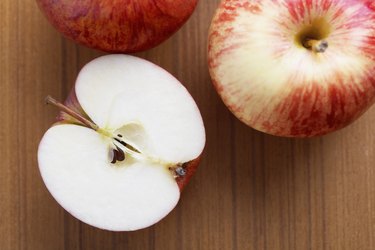
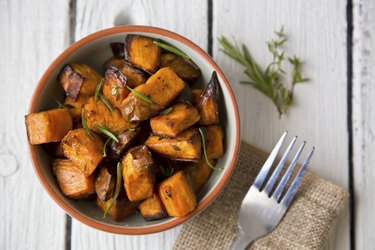
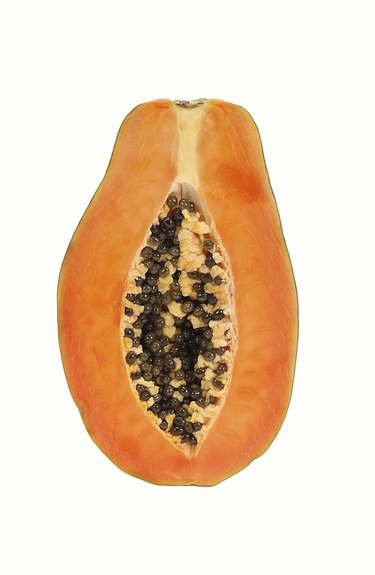
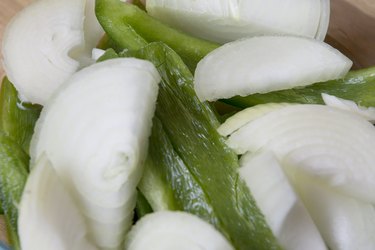
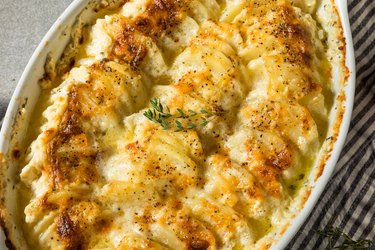
Gluten-free diets are advocated for those with celiac disease, gluten sensitivity and, by some, autism. Barley, rye, wheat and its derived flours are obvious gluten sources. Some processed foods containing gluten include cold cuts, potato chips, soups, soy sauce, gravy and french fries, and these should be avoided on a gluten-free diet. Foods that are allowed in a gluten-free diet include potatoes, quinoa, millet, nuts, wild rice, corn, flax, rice, fruits, vegetables, fresh meats, fish, poultry and most dairy products.
Recommendations
There are published lists of gluten-free foods, but no list is complete. Read food labels and look for hidden sources of gluten. TACA says some of these hidden sources include vitamins, vinegar and beer. The organic label on wheat products shouldn't be confused with gluten-free labeling. Read labels carefully, and consult a physician or dietitian if you think you need to eliminate gluten from your diet.


