


























































Can Heavy Resistance Exercise Cause Constipation?

Constipation is best described as infrequent or irregular bowel movements. Most people produce at least three stools a week. Any less than this amount and you're considered constipated. While a number of different factors are known to contribute to this condition, one of the more common involves physical activity. According to the National Institute of Diabetes and Digestive and Kidney Diseases, lack of physical activity can lead to constipation, so your inability to pass stool isn't likely caused by heavy resistance exercises.

Exercise

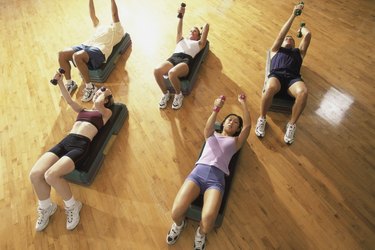
Like almost any other form of exercise, resistance training can help stimulate intestinal activity. Increasing your level of physical activity accelerates the contraction rate of the muscles along your intestines, thereby decreasing the time it takes for waste to pass through the digestive tract. The longer waste remains in your intestines, the more water is leached from your stool, which causes it to become hard and difficult to pass, explains the Mayo Clinic.

Symptoms

Besides infrequent bowel movements, being constipated often means you produce hard or dry stool. You may also have to strain to pass stool and feel as if waste still remains in your intestines after a bowel movement. The inability to fully evacuate your bowel may cause bloating and abdominal distention. Sometimes, constipation can even lead to painful bowel movements.

Self-Care

Most of the time, constipation is remedied by self-care methods. Increasing your level of physical activity, which may include heavy resistance training, can help to initiate waste passage. You may also find dietary changes beneficial. Adding more fiber-rich foods that add bulk to your stool can make waste much easier to pass. The Mayo Clinic recommends getting at least 20 to 35 mg. of fiber each day. Increasing your fluid intake can help to soften your stool as well.

Treatment

If self-care methods fail to improve your constipation, talk to your doctor. You may need to use an over-the-counter medication to stimulate bowel movements. But avoid any product that could become habit-forming, such as stimulant laxatives. Stimulant laxatives do nothing to add bulk or liquid to your stool. Instead, these products stimulate muscle contraction within the intestines. Try fiber supplements, stool softeners or lubricants before resorting to this option. Your doctor may also recommend using a prescription medication to relieve constipation, especially when OTC methods don't produce regular bowel movements.

References

Article reviewed by GlennK Last updated on: Jan 19, 2011

Must see: Photo Galleries