












Beet Root Nutritional Value

Beet Root Nutritional Value
Photo Credit John Foxx/Stockbyte/Getty Images

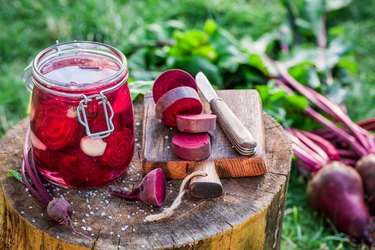
For centuries, beet root has been eaten for its nutritional benefits and used by herbalists for medicinal purposes. In addition to being low in calories and fat and cholesterol-free, beets contain an abundance of vitamins and minerals including cancer-fighting antioxidants, unique nutrients that lower cholesterol levels and fiber to ensure proper bowel function.

Calorie Content

One cup of beet root, boiled and drained, contains 75 calories with 2.8 calories from fat. The total fat content is 0.31 g, none of which is saturated fat. Total calories from carbohydrates equals 91 percent from about 17 g, representing 5 percent daily value, DV, based on a 2,000 calorie diet. The sugar content in a cup of beets is equal to 13.5 g, according to US Department of Agriculture nutritional database.

Nutrition

Beets are a good source of potassium, providing 518 mg per cup or 15 percent DV, according to NutriLib. Beet root provides 27 mg of calcium per cup, or 2 percent DV; 39 mg of magnesium or 5 percent DV; 2 percent DV for iron, 3 percent DV for phosphorus in addition to manganese, copper and selenium. Beets are especially rich in folate, with 136 mcg or 34 percent DV. Folate helps prevent birth defects and aids in cellular development. Other vitamins in beet root include 6.1 mg of vitamin C, or 10 percent DV; 2 percent DV for vitamins A; 3 percent DV for riboflavin and niacin and 5 percent DV for B-6, lists USDA and NutriLab. Beet root contains 2.9 g protein per cup, or 5 percent DV, and 130 mg of sodium, which is 5 percent DV.

Fiber

Beets are rich in fiber, supplying 3.4 g or 14 percent DV per cup. The dietary fiber is half soluble and half insoluble, each types playing an important role in minimizing weight gain by maintaining proper bowel function and lowering cholesterol levels. Beet fiber has unique benefits due to its pectin polysaccharide content that may also help reduce colon cancer. The Research Institute of Nutrition, Bratislava, Slovak Republic, conducted animal studies and concluded that red beet fiber reduced cholesterol by 30 percent, with a 40 percent reduction in triacylglycerol and increase in HDL, the "good" cholesterol, levels. In addition, the beet diet significantly reduced the incidence of precancerous colon lesions.

Health Benefits

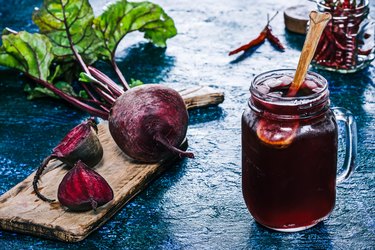
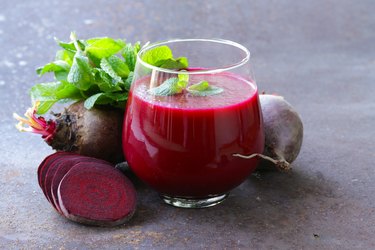
A March 2008 study published in the medical journal "Hypertension" and discussed in an article on Science Daily showed that a glass of beet juice may lower blood pressure. Researchers at Barts and the London School of Medicine concluded that within one hour of consuming beetroot juice, blood pressure was lowered. Blood pressure continued to drop for hours after ingestion. This effect might be beneficial in maintaining a healthy cardiovascular system.

References

Article reviewed by Libby Swope Wiersema Last updated on: May 26, 2011

Must see: Photo Galleries

Member Comments