

















































How to Make My 1 Year Old Gain Weight

How to Make My 1 Year Old Gain Weight
Photo Credit Jupiterimages/Polka Dot/Getty Images

Toddlers are ready to graduate into the ritual of family meals -- at least, in an ideal world. While some toddlers greet mealtime with delight, others inspect foods warily and fight parents' attempts to encourage a bite. In this case, mealtimes can become a stress-filled battle of wits between parent and child. Over time, if food refusal begins to affect a toddler's growth, several techniques may be needed to re-establish peace -- and peace of mind -- in the family, and to ensure adequate nutrition.

Visit Your Pediatrician

Step 1

Make an appointment with your pediatrician with a list of concerns. Bring records of your child's weight, if available. Parents often think their children look too skinny at age 1 as baby fat is decreases.

Step 2

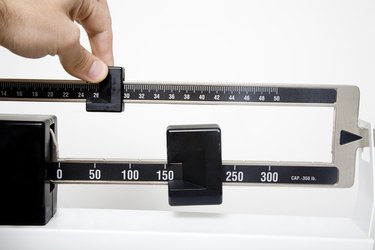
Review your child's growth chart with your doctor's assistance. Most healthy infants triple their birth weight during the first year of life and gain 3 to 5 pounds during the second year of life. If your child gained less than this amount, your doctor can consult standardized growth charts to determine when the growth slow-down occurred.

Step 3

Discuss findings. If your doctor indicates that your child is in fact underweight or is gaining at too slow a pace, ask if he thinks the problem is related to food intake. Illness and other problems can cause weight gain to slow abnormally.

Increase Caloric Intake

Step 1

Offer foods on several occasions. Some children require 10 to 12 exposures to a new food before learning to accept the flavor. Vegetables, meats, and foods with unfamiliar textures are more likely to require multiple exposures.

Step 2

Offer three meals and three snacks spaced at least 1 1/2 hours apart. Even if your child is very slender, do not allow nibbling or drinks other than water outside this pattern. Be especially careful not to allow nibbling or drinking 30 minutes before a meal. This will ensure your child is hungry for meals and will encourage adequate mealtime intake.

Step 3

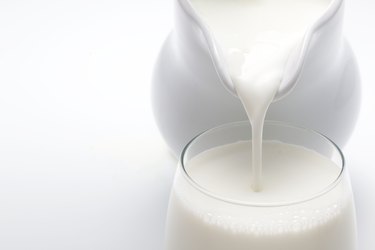
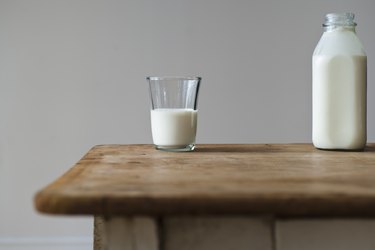
Reduce foods that interfere with appetite. One of the easiest ways to zap a child's appetite is to let him over consume milk and juice throughout the day. A 1-year old needs only 16 ounces of milk and, if eating two servings of fruit daily, does not need juice at all. If juice is served, limit it to 2 servings of 4 ounces.

Step 4

Increase calorie-packed foods. Use full fat milk, cheese, yogurt and cottage cheese. Soft chewable meats like chicken nuggets and egg yolks have far more calories than fruits or vegetables. You can pump up the calories in other foods by stirring dry powdered milk into soups, gravies, soft ice cream, pudding, macaroni and other noodle dishes, creamy soups or any other food prepared with milk. The dry milk will add calories, fat and protein without taking up a lot of room in your child's small stomach.

Step 5

Ask your pediatrician about nutritional supplements like Pediature and Kindercal. These supplement drinks are high in calories, provide balanced nutrition, and can effectively encourage weight gain. They aren't a miracle cure, however, as some children will decrease food intake once they begin drinking these products. The doctor may also prescribe calorie-boosting supplements such as Polycose for mixing with food.

Things You'll Need

  • Toddler high seat
  • Child sized utensils
  • Optional dry powdered milk
  • Optional nutritional supplements as prescribed by physician

References

Article reviewed by Mia Paul Last updated on: Jan 23, 2011

Must see: Photo Galleries

Member Comments