




































































In the United States, the prevalence of obesity continues to rise, with 26.7 percent of the population self-reporting as obese in 2009, according to the Centers for Disease Control and Prevention. Chronic diseases, including heart disease, diabetes and cancer, are often preventable yet cause seven out of 10 deaths in the United States. You can avoid becoming one of these statistics by making healthy lifestyle choices, which includes following a healthy diet. Let your eyes lead the way by filling your meals with a rainbow of colors, because the color of your foods can affect your health.
Red
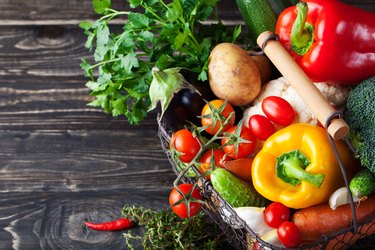
Red fruits and vegetables contain a natural substance known as lycopene. Lycopene gives red foods like tomatoes, pink grapefruit, guava, watermelon and red oranges their vibrant color, therefore classifying it as a carotenoid -- or plant pigment. Lycopene functions as an antioxidant -- a substance that protects cells from the damaging effects of negatively charged particles in the body. Eating red lycopene-containing foods may help reduce the risk of cancer, heart disease and macular degeneration, a chronic eye disease, according to MayoClinic.com. Other red foods, including red grapes, raspberries and strawberries, contain anthocyanins -- a type of pigment. Anthocyanins also act as antioxidants, making them an area of interest for researchers studying how to reduce and treat chronic diseases.
Orange and Yellow
Orange and yellow fruits and vegetables contain another carotenoid known as beta-carotene. Foods in this group include sweet potatoes, pumpkins, some varieties of squash, pineapple, mangoes, peaches and carrots. After you eat foods containing beta-carotene, your body converts it into vitamin A. The National Institutes of Health reports that 50 percent of vitamin A comes from beta-carotene. Beta-carotene, classified as an antioxidant, can help reduce the symptoms of asthma, prevent chronic diseases like cancer and heart disease and treat conditions like depression, epilepsy, headache, heartburn, high blood pressure and skin disorders.
Green
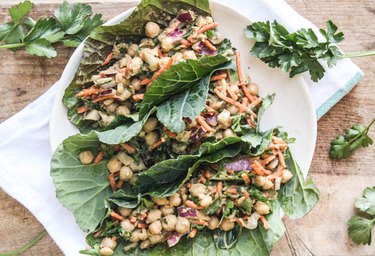
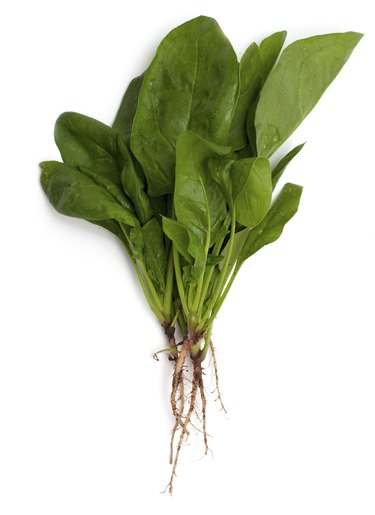
The green vegetables get their color from chlorophyll. This group of vegetables contains many nutrients that positively impact your health. The leafy green vegetables, like spinach, kale and broccoli contain folate, an important nutrient for the production and maintenance of new cells. Consuming adequate amounts of folate helps reduce the risk of birth defects for pregnant women. Green foods also serve as a source of vitamins A, C and K, and iron and calcium. Green vegetables contribute to your daily fiber intake, which can help reduce your cholesterol levels and help you stay full for longer, reducing the want to consume additional calories.
Blue and Purple
Blue and purple foods, including blueberries, blackberries, purple grapes, plums and eggplant, are not only catching to the eye but also pleasing to the palate. This group of foods also gets its color from anthocyanins. The antioxidant power can help reduce the risk of chronic diseases.
White
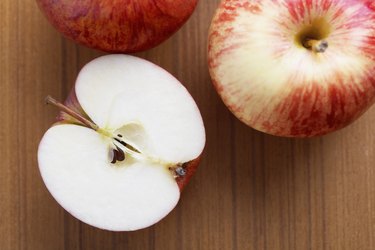
After imagining all of these vibrant colors on your plate, now imagine a plate of white. That probably sounds boring and unappetizing -- well good. Many white foods are refined, and you should only eat them in small amounts. White foods, such as white rice and white bread, are white because they have been through a refining process. This process removes the bran and germ from the grain, which removes many of the nutrients and most of the dietary fiber. Not all white foods are bad. Fruits and vegetables that fall into the group of white foods, such as onions, garlic, ginger, jicama and turnips, contain a health-promoting chemical known as allicin. Allicin may help lower cholesterol levels and blood pressure, therefore reducing the risk of heart disease.


Member Comments