
























































What Is Missing in Vegetarian Diets?

What Is Missing in Vegetarian Diets?
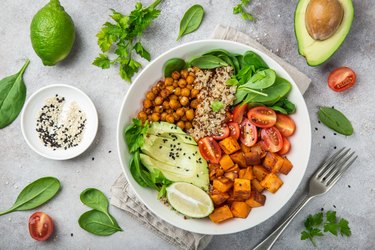
Photo Credit vegetables image by cherie from Fotolia.com

Vegetarian diets are high in fiber, folic acid, vitamins C and E, potassium, magnesium and antioxidants, which are all associated with better health and a decreased risk of chronic diseases. Moreover, vegetarian diets are also lower in saturated fat and cholesterol than an omnivorous diet. However, these diets can also suffer from nutritional pitfalls unless they are planned carefully. The nutrients that might be lacking are protein, vitamin D, iron, zinc and the long-chain omega-3 fatty acids.

Protein

Many health professionals used to advise vegetarians to combine protein --- to eat different kinds of protein in the same meal, such as rice and beans, to make a complete protein. However the American Dietetic Association, in its 2009 position paper, states that a variety of plant foods eaten over the course of a day can provide all the essential amino acids, so complementary proteins do not need to be consumed at the same meal. Protein-rich foods include milk and soy milk, tofu, mycoprotein, grains, legumes, nuts, seeds and soy products.

Vitamin D

Vitamin D is essential to bone health because it regulates calcium levels in the body. The body can manufacture vitamin D in the skin when it is exposed to sunlight, but you can become deficient if your exposure to sunlight is limited. Vitamin D is found only in a limited number of foods, including liver and fish liver oils, which vegetarians do not consume, and fortified margarine, milk and breakfast cereals, which vegetarians can consume.

Iron

Iron is essential for red blood cell production, and its deficiency causes anemia. This mineral is a problem for vegetarians because of the avoidance of meat and because iron in plants is not as efficiently absorbed as iron from animal foods. However, consuming foods rich in vitamin C along with plant iron can enhance its absorption. Vegetarian sources of iron include pulses, soy products, dark green leafy vegetables, fortified breakfast cereals, dried fruits and plain dark chocolate.

Zinc

Zinc is important for wound healing, normal growth and development. As is the case for iron, absorption of zinc from plant sources is lower than from animal sources, and hence vegetarians need to consume more. Good sources include whole grains, nuts, legumes, soy products and cheese.

EPA and DHA

Diets devoid of fish, eggs or algae will be low in the long-chain omega-3 fatty acids eicosapentaenoic acid, EPA, and docosahexaenoic acid, DHA. These nutrients are essential for brain and eye development and for cardiovascular health. The body can convert linolenic acid --- which is found in rapeseed, flax, walnuts and soy --- to EPA and DHA, but conversion rate is very low. The American Dietetic Association recommends that you consume algae, fortified soy milk and breakfast cereals and supplements derived from microalgae.

References

Article reviewed by Holland Hammond Last updated on: Feb 6, 2011

Must see: Photo Galleries

Member Comments