
























Getting enough fiber in the diet is essential for good health. It keeps bowel movements regular, helps control symptoms of intestinal conditions such as irritable bowel syndrome and it plays a role in lowering the risk of obesity, heart disease, diabetes and some forms of cancer. The goal is to get between 25 to 35 g of fiber each day. To meet this requirement without eating too many calories, aim to eat a diet rich in high fiber fruits and vegetables.
Blackberries, Pears and Dates
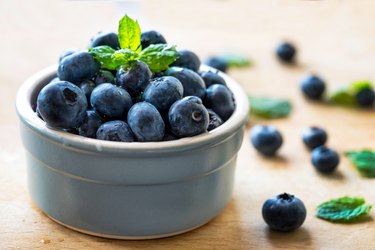
There are two forms of fiber -- soluble and insoluble. Soluble fiber partially dissolves in water and insoluble does not. Most foods contain some of each and both types are important for good health. To meet daily needs the University of Wisconsin, recommends getting at least five servings of vegetables and fruits and at least two servings of whole grain products, every day. This can include blackberries and dates as both are high in fiber, containing 4 to 5 g per serving. One serving is equal to three dried dates, one unpeeled pear or half a cup of blackberries.
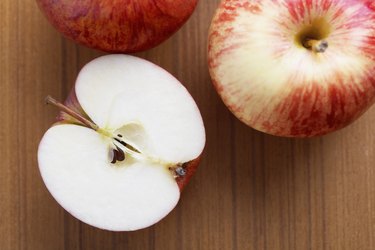
Apples, Raisins and Prunes
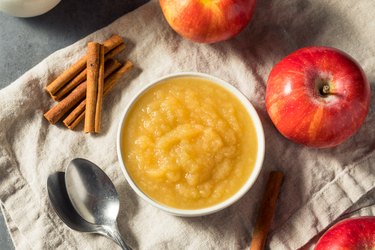
The best way to meet daily fiber needs is to consume a variety of fruits and vegetables by adding as much color to the diet as possible. Since fiber takes a long time to digest, it helps the body stay full for longer periods, which can curb binge or over eating, states the Harvard School of Public Health. When feeling hungry go for one large apple, ½ cup raisins or five dried prunes to get approximately 3 to 4 g of fiber.
Beans
Legumes are a class of vegetables that includes beans, peas and lentils, and beans are a good source of fiber. The American Dietetic Association suggests that women aim for 14 g of dietary fiber per 1,000 calories consumed and men should get 38 g per 1,000 calories consumed to lower the risk of disease. Fiber obtained through food is preferred over taking supplements. Eating a half cup of cooked beans such as kidney, lima, pinto and others can provide 5 to 7 g of fiber. Reading the nutrition label on the package will help to determine how many grams of fiber are in a serving of food.
Broccoli, Spinach, Peas and Carrots
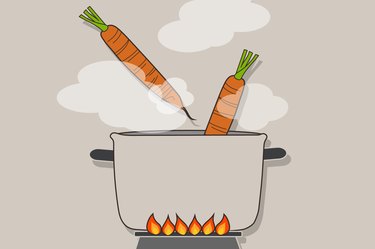
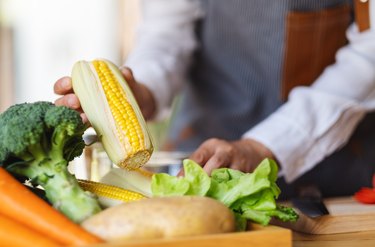
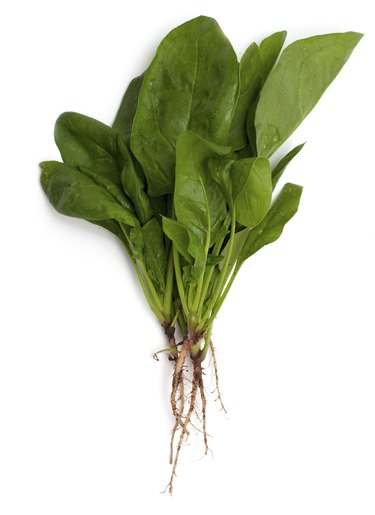
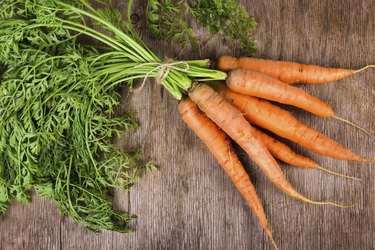
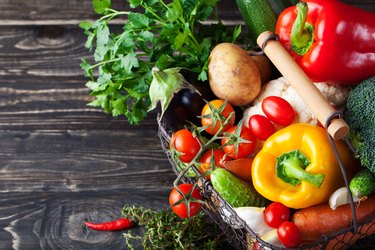
Adding fiber into the diet too quickly can lead to cramps, gas and bloating so make sure to increase intake gradually. According to the Continuum Health Partners website, determining the exact fiber content in fruits and vegetables is challenging so stated amounts are just estimates. However, broccoli is known to be high in fiber as just ¾ cup of fresh cooked broccoli, can have as much as 7 g of fiber. Peas, spinach and carrots are other good sources, and a 5 oz. serving of each provides about 6 to 7 g of fiber.


Member Comments