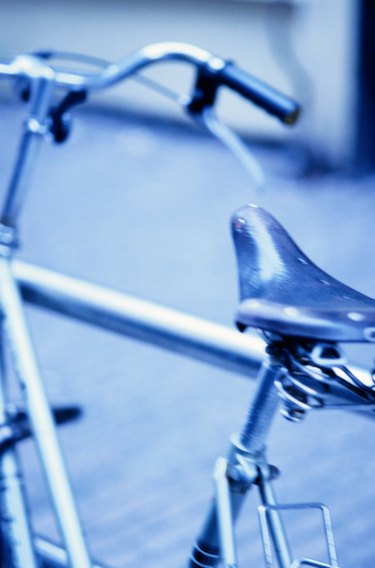
Riding a bicycle can aggravate the prostate and cause other health problems in men. The design of the standard bicycle seat can rub against the prostate during the pedaling process. This can lead to several painful medical conditions involving the prostate. The irritation of the prostate through bicycle riding, combined with the aging process, can lead to discomfort that can be moderate to severe.
Related Reading
Video of the Day
Function
Riding a bicycle can be a productive cardiovascular exercise for those who want to get or stay in shape. You may not want to run 25 minutes at a time, and you may not be comfortable with swimming. Bicycling may be you cardiovascular exercise of choice. However, if you ride your bicycle several times a week, you may notice painful condition when you sit on your bike or shortly after you get off. That's a condition that may worsen as you get older. You are putting a lot of pressure on your prostate when you sit for long periods on a bicycle. Your prostate has a tendency to get larger as you get older, and that can lead to increased pain.
Video of the Day
Significance
Once you start to notice discomfort as you ride your bike, the pain may stay with you after you get off of it. You may also notice other symptoms, as well. You may have difficulty with urination and it may be difficult to expel all the urine in your body. That's because the prostate closes around the urethra and makes the process problematic. Urine retention can lead to urinary tract infections, according to the Mayo Clinic. Other problems associated with prostate problems include kidney damage, bladder damage and bladder stones.
Prevention/Solution
Once you have prostate issues, you can take time off from bicycling to relieve pressure. However, when you want to get back on the bicycle, you will need to change the shape of your seat. Instead of the hard, plastic triangular seat that is standard on most bicycles, you can get a two-cushion seat that does not have a triangular piece that puts pressure on the prostate. Some bicycle seats are shaped like a doughnut to eliminate the pressure on the prostate.
Treatment
Under many circumstances, bicycle-related prostate issues often resolve themselves after a few days of rest. However, when health issues don't improve, you might need a prostate massage or even drug therapy. According to Merck, drugs likes terzosin, doxazosin, tamsulosin and alfuzosin will relax the muscles of the prostate and improve urine flow. Consult with your urologist to see what treatments he suggests.
Misconceptions
While a number of painful conditions associated with bicycling and the prostate, one of them is not prostate cancer. Prostatitis, or chronic irritation of the prostate, can be painful and uncomfortable, but no medical evidence links uncomfortable bicycle seats with prostate cancer.