



































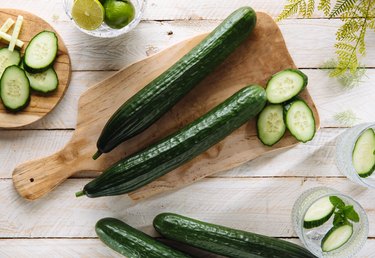
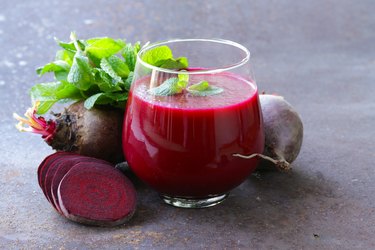
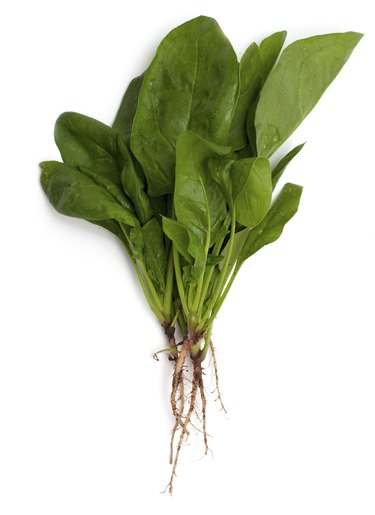

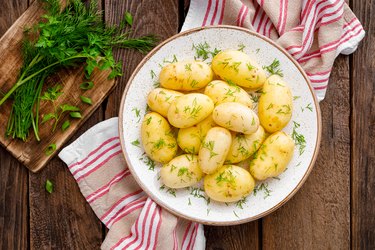





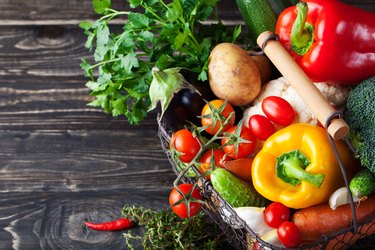



Eating plenty of fruits and vegetables is important for overall health and wellbeing. On our fruits and vegetables page, we offer a variety of resources to help you better understand the health benefits of these foods, including information on vitamins, minerals and antioxidants found in produce.
Our team of nutrition experts provides in-depth articles on how to incorporate more fruits and vegetables into your diet, as well as advice on how to select and store these foods to maximize their nutritional value. We also offer practical tips for meal planning, healthy snacking and cooking with fruits and vegetables.
Whether you are looking to improve your overall health or simply want to learn more about the benefits of produce, our fruits and vegetables page has something for you. We offer advice on how to overcome common barriers to eating more fruits and veggies, as well as information on various fruit- and vegetable-based recipes and meal ideas.