

































































A big, round stomach may not be the look you are aiming for, but when it occurs, it's important to know why. It's usually preventable and treatable, but it can also be serious on occasion -- it could be a symptom of a condition that needs immediate treatment, or it may be a sign that you've let your health go a bit. Either way, ignoring it won't make it go away and might even make it worse.
Fat
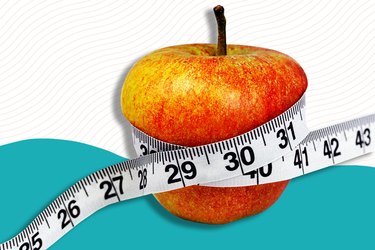
If your big, round stomach is jiggly and has come on gradually, it may be nothing more than excess fat. Even if your limbs are relatively thin, you could have a natural "apple" shape that deposits fat in your abdomen as opposed to your hips and butt. Unlike the subcutaneous fat that lodges within your lower body, abdominal fat is visceral, meaning within the organs, and is biologically active. It releases chemicals that disrupt hormone production, and increases your risk of coronary disease and type 2 diabetes. Follow a sensible diet and exercise plan to shed those extra pounds and bring your health back under control.
Digestive Issues
If your stomach becomes big and bloated after meals, it could be gas or a food intolerance. Gas can come from swallowing air, or it may the result of digesting certain foods like vegetables or legumes. Food intolerances produce gas because your body may lack the enzymes to digest certain substances -- the lactose in dairy products and the gluten in wheat products are common culprits. Take note of whether gas occurs after eating only certain foods or after every meal, then talk to your doctor about your findings to work out an appropriate course of treatment.
Female Issues
For women, a swollen abdomen may just be part of the menstruation territory, which is natural in most cases. If it is a new symptom, especially if it is accompanied by heavier than usual bleeding or more intense cramping, see your doctor to rule out uterine fibroids and ovarian cysts. If you've missed a period, you could be pregnant. If your breasts are swollen and tender, you've had morning sickness or you've been unusually fatigued, pregnancy is likely if you've been sexually active. Take a pregnancy test as soon as possible so you can begin prenatal care.
Bowel Issues
Prolonged constipation can cause your stomach to bloat, because even though nothing's coming out, you're still putting stuff in. Constipation can be a sign of irritable bowel syndrome, but so can diarrhea -- the main symptom is a change in bowel habit, so you've been having issues, see your doctor for a diagnosis. Constipation that doesn't go away after increasing your fiber and water intake and taking a laxative may be a sign of a bowel obstruction, which can be dangerous if left untreated -- the only way to be sure is to see your doctor.
References
- "Harvard Women's Health Watch"; Abdominal Fat and What to Do About It; December 2006
- National Digestive Diseases Information Clearinghouse: Gas in the Digestive Tract
- American Pregnancy Association: Pregnancy Symptoms -- Early Signs of Pregnancy
- Medline Plus: Irritable Bowel Syndrome
- Medline Plus: Abdomen -- Swollen


Member Comments