





















Healthy Snacks in Stores

Between the abundance of commercial advertising and the colorful displays in a store, selecting a variety of healthy snacks can be challenging. As you decide which snacks to purchase at your local store, remember that in general, the less processed the snack, the healthier it is. Look for snacks that have fiber, no added sugar and provide you with some of the vitamins and minerals you need each day.

Importance

The snacks you eat can affect your weight and help or hurt your nutritional status. A study published in August 2010 in the "American Journal of Clinical Nutrition" noted that reduced risks of obesity and abdominal obesity were associated with snacking in adolescents. Eating natural fruits and vegetables as snacks helps you meet your 2 cups of fruits and 2 1/2 cups of vegetables requirements each day.

Fruits and Vegetables

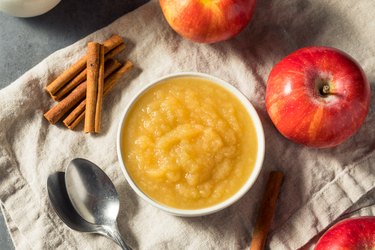
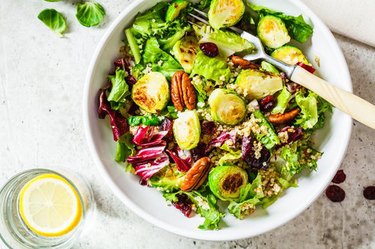
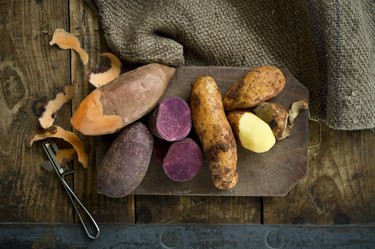
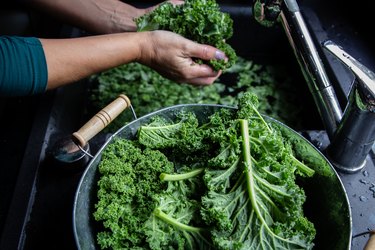
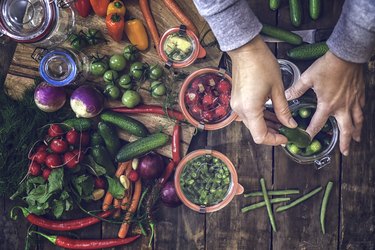
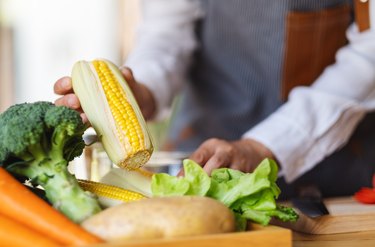
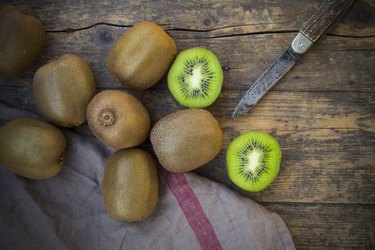
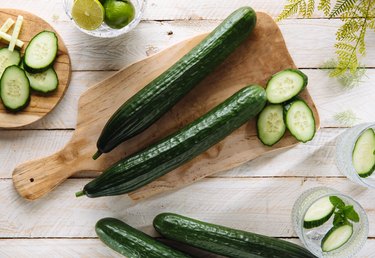
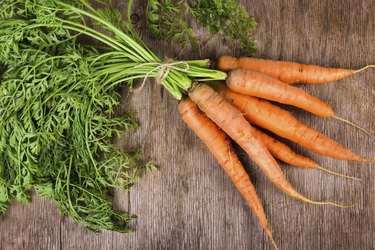
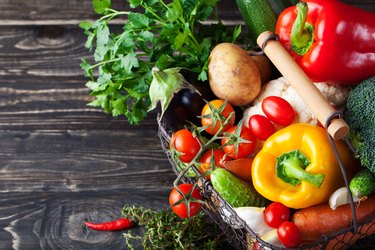
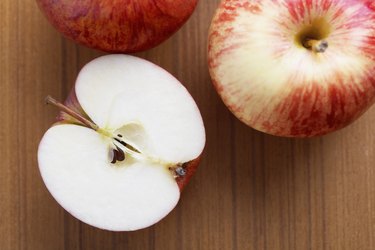
Grocery stores, health food stores and large discount stores offer a variety of fresh fruits and vegetables. Fruit gives you sweetness with no added sugar, fiber and vitamins. Vegetables also give you filling fiber, vitamins and minerals. At the store, choose organic fruits and vegetables as snacks when possible to avoid added pesticides. Celery, carrots, cucumbers, tomatoes and broccoli are low in calories with 1 cup averaging just 28 calories. Whole fruits are more filling than a glass of juice. A 3-inch apple contains 95 calories, 4.4 g of fiber and 8.4 mg of vitamin C, while 1 cup of apple juice contains 114 calories, 0.5 g of fiber and 2.2 vitamin C. Dried raisins or apricots are easy to take to the office or in the car, but dried fruits are higher in calories than fresh fruits and you should consume them in moderation.

Dairy Products

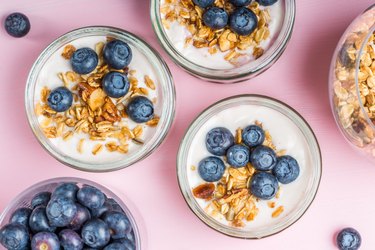
Snacking on string cheese, cubes of cheese and organic, fat-free yogurt gives you calcium, protein and may help you lose body fat. A study published in April 2005 in the "International Journal of Obesity" noted that eating yogurt helped the study participants lose more fat on their trunks and reduce their waist sizes. Purchase snack packs of natural cheese for an easily transportable, portion-controlled snack. Use small, individual yogurt cups for a snack, or measure 6 to 8 oz. servings of fat-free yogurt from a larger container into a small cup.

Nuts

Read the label before purchasing nuts at the store. Avoid nuts that have added sodium, and opt for raw or no-salted roasted nuts. Buy a variety of nuts such as walnuts, pecans or almonds. The monounsaturated fats in nuts are good for your heart health. After you purchase nuts, use a food scale to measure the nuts into 1 oz. servings and package the nuts into individual bags. A 1 oz. serving of nuts has about 168 calories. Eating 3 oz. of nuts a day increases your caloric intake by 504 calories.

Crunchy Snacks

Stores often have aisles full of snack crackers, popcorn, chips and pretzels. Choose crackers and pretzels that use whole-wheat flour rather than white flour. Whole wheat flour gives you 2 to 3 times more fiber than white flour, making it a healthier choice. Purchase air-popped popcorn rather than popcorn popped in oil and avoid fried chips. A six-cracker serving of whole-wheat crackers has 120 calories and 2.9 g of fiber. Avoid crunchy snacks that have excessive sodium, as the Centers for Disease Control and Prevention recommends limiting the amount of sodium you eat to 1,500 mg per day.

References

Article reviewed by Mia Paul Last updated on: Mar 28, 2011

Must see: Photo Galleries

Member Comments