





















































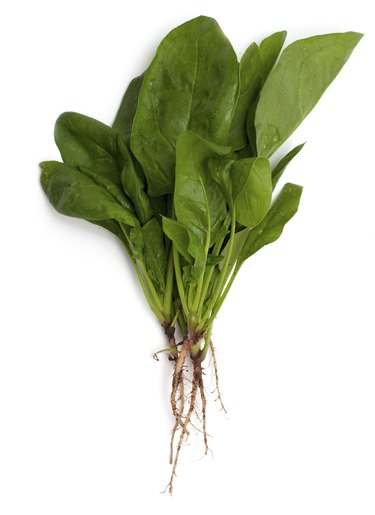


















According to the University of Maryland Medical Center, many people may be mildly deficient in vitamin C, a water-soluble vitamin associated with immune-strengthening benefits. Although the body does not produce vitamin C on its own, you can usually get enough through food. Low levels of vitamin C are associated with high blood pressure, gallbladder disease and stroke.
Healing
Vitamin C is necessary for the growth and repair of body tissues. It is needed to form collagen, an important protein the body used to make skin, ligaments and blood vessels. Collagen is also used to make scar tissue, making vitamin C crucial in healing: If you burn, cut, scrape or otherwise wound your skin, it helps generate new skin and repairs the damaged tissue. Vitamin C is also essential to the healing and maintenance of bones and teeth.
Antioxidants
Vitamin C is an antioxidant. Antioxidants are substances that prevent cellular damage by protecting cells from free radicals. Free radicals are a natural result of oxygen and energy usage, but when these unpaired atoms come in contact with other molecules, they can cause cellular death -- a recognized precursor to cancer.
Fat Metabolism
According to a 2005 Science Daily article, researchers at the Linus Pauling Institute at Oregon State University discovered a previously unknown function of vitamin C. The study found that vitamin C protects the body from toxic compounds left from fat metabolism by neutralizing them, so they can be safely removed from the body, helping to prevent the genetic damage and inflammation oxidized fats can cause.
Immune System
The National Institutes of Health, concluded vitamin C boosted the immune system by increasing blood serum levels of important antibodies, including immunoglobulin A, M and C3. Antibody IgA is responsible for fighting against mucosal infections, such as those that attack the nose, throat and mouth. IgM antibodies protect against skin infections and C3 antibodies protect against pathogens like staphylococcal -- bacteria that attack blood and skin.
Deficiency
Low levels of vitamin C can occur if the dietary requirement is not met. Vitamin C is available in supplement form. According to the University of Maryland Medical Center, the best way to take vitamin C is 250 mg to 500 mg two to three times a day; however, get your doctor's approval before adding vitamin C to your regimen.


Member Comments