

















































Beets definitely deserve a place at your dinner table. Red, golden and white varieties of these root vegetables provide a number of nutrients that support a healthy body and may protect against disease. Beets impart an earthy flavor to purees, salads, hummus, soups and side dishes.
Vitamins and Minerals
Beets provide 18 vitamins and minerals. In ½ cup boiled, sliced beets, you get 3.1 mg of vitamin C -- to promote immunity and tissue repair. Beets also provide 68 mcg of folate per 1/2 cup. Folate promotes red blood cell function and is particularly important to pregnant women because it helps prevent certain types of birth defects. Beets offer 259 mg of potassium, which helps regulate your mineral and fluid balance, leading to healthy energy levels, muscle function and blood pressure. Beets are also a source of magnesium, providing 19.6 mg of this bone-building mineral.
Cholesterol and Cancer
Regularly consuming beets can help reduce cholesterol and deter the development of colon cancer. In the journal "Die Nahrung," researchers from the Slovak Republic published a study in 2000 with the findings that rats that consumed beet fiber for 26 weeks experienced a decrease in cholesterol and reduction of precancerous lesions in the colon. A ½-cup serving of sliced, boiled beets contains 2 g of fiber. Red beets, in particular, may be valuable protectors against cancer, according to an animal study published in a November 2002 issue of the "Journal of Agricultural and Food Chemistry." Researchers from the University of Wisconsin at Madison found that the pigment in red beets helps scavenge cancer-causing free radicals in the body.
Weight Control
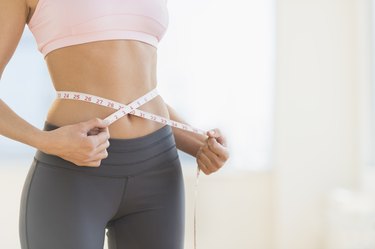
Beets contain just 37 calories per cooked ½ cup. Beets are also free of fat. Including beets and other vegetables in your diet instead of higher calorie options can help you avoid weight gain. Add them to a spinach salad with ½ oz. of walnuts or serve beets as a side dish roasted with olive oil and chives.
Antioxidants
Beets are a source of certain antioxidants that can help purge your body of free radicals that may contribute to disease and the signs of aging. The phytonutrients in beets, primarily betanin and vulgaxanthin, can help ease inflammation and promote detoxification.
Considerations
Because red beets can stain your fingers and nails, wear thin latex gloves when peeling and slicing fresh versions. Beets lose their nutrients the longer they are cooked. Boil until just tender to the bite, not soft. When you purchase beets, find ones with the greens included. Just 1 cup of cooked beet greens provides more than 100 percent of the daily value of vitamins A and K, and significant amounts of vitamin C, potassium and manganese. Cook beet greens as you would kale or Swiss chard, with minced garlic, olive oil and a squeeze of lemon juice.
References
- "Die Nahrung"; The Effect of Red Beet (Beta Vulgaris Var. Rubra) Fiber on Alimentary Hypercholesterolemia and Chemically Induced Colon Carcinogenesis in Rats; P. Bobek; June 2000
- "Journal of Agricultural and Food Chemistry"; Phase II Enzyme-Inducing and Antioxidant Activities of Beetroot (Beta Vulgaris L.) Extracts from Phenotypes of Different Pigmentation; Mahinda Wettasinghe, et al.; 2002
- "Royal Gazette"; The Humble Beet is Great for Detoxification; Cathy Stovell; March 22, 2011


Member Comments