
































Numerous factors contribute to oily skin, including genetics, your age, hormonal shifts and personal hygiene habits. When oily skin meets skin dryness, it results in acne -- the most common skin disease in the United States, according to the University of Maryland Medical Center. While dietary changes aren't known to "cure" oily skin or its complications, emphasizing certain foods in your diet may help prevent or minimize your symptoms. For best results, seek specified guidance from your dietitian or dermatologist.
Enriched Flour
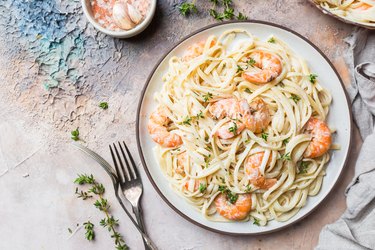
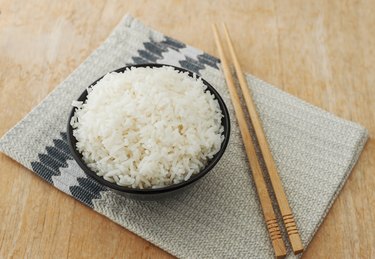
Enriched flour is formed through a process in which a whole grain is stripped of much of its nutrient and fiber content. As a result, enriched breads, cereals, pasta and baked goods digest less efficiently and have a higher glycemic index, or impact on your blood sugar, than whole grains. Although research is ongoing, investigative findings show a positive link between a low glycemic diet and reduced instances of acne, according to a "Skin Therapy Letter" report published in 2010. By lowering your "glycemic load," your hormone levels may improve, leading to reduced oil production. For best results, choose whole grains, such as barley, brown rice and oats, instead of enriched flour products most often.
Added Sugars
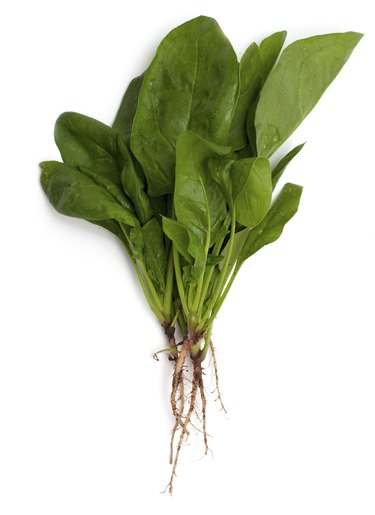
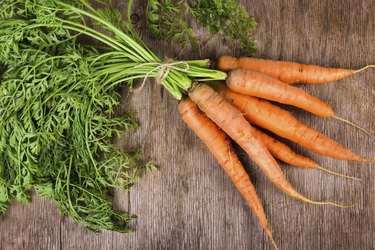
Added sugars, such as maltose, dextrose, corn syrup, cane sugar and honey, add sweet flavor and calories but few nutrients to many foods and beverages. Like enriched flour, added sugars have a high glycemic index and may offset your blood sugar and hormone levels, leading to increased oil production and a heightened risk for acne. Limit foods and beverages particularly rich in added sugars, such as regular soft drinks, fruit punch, candy, jam, jelly, pancake syrup, frozen desserts and commercially baked cookies, cakes, pies and pastries. Choose fresh fruits and vegetables more often, which have a more positive impact on your blood sugar, skin and overall health. Citrus fruits, apricots, carrots and spinach, for example, contain vitamin A -- a nutrient with properties similar to certain acne medications.
Fatty Meats
Fatty meats, such as beef, lamb, bacon and sausage, contain rich amounts of saturated fat -- a fat-form linked with obesity, heart disease and inflammation. Americans tend to consume too many inflammatory foods, according to dietitian and author of "The Clear Skin Prescription" Dr. Nicholas Perricone, and too few anti-inflammatory foods, such as salmon, mackerel, albacore tuna and other cold-water fish. Perricone suggests cutting back on fatty meats and increasing your intake of cold-water fish for healthier, normalized skin. For heightened benefits, prepare fish using low-fat cooking methods, such as baking, broiling and poaching.
Salty Snack Foods
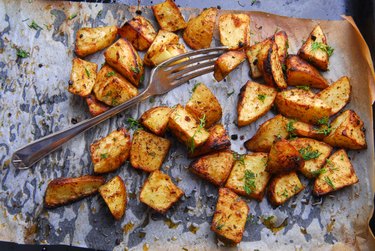
Most people require 1,500 mg of sodium per day -- the amount reaped from less than 1 tsp. of table salt. On average, Americans consume somewhere between 2,300 and 4,700 mg daily. A high-sodium diet can also damage skin health, according to Perricone, by increasing inflammation. Salty snack foods, such as potato chips, crackers and french fries, often contain an inflammatory fat form known as trans-fat. Trans-fat may also worsen the effects of oily skin. Healthier snack options include air-popped popcorn seasoned with natural herbs, fresh cut vegetables and low-sodium, whole-grain crackers.
References
- University of Maryland Medical Center: Acne
- "Skin Therapy Letter"; Does Diet Really Affect Acne?; H. R. Ferdowsian, S. Levin; 2010
- "The Clear Skin Prescription: The Perricone Program to Eliminate Problem Skin"; Nicholas Perricone; 2003
- Colorado State University: Sodium in the Diet


Member Comments