
















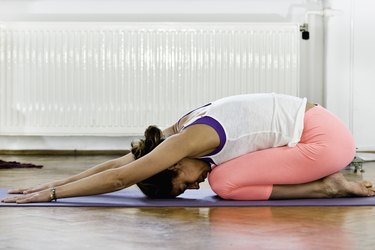




Getting too much or too little exercise may harm female fertility by causing hormonal imbalances that disrupt ovulation. Excessive exercise can impair fertility, especially if you already have a normal or low body mass index, whereas overweight women who lose weight with exercise may be able to improve their fertility. If you are a woman trying to conceive, consult your physician to determine an appropriate amount of exercise for you.
Excessive Exercise
Excessive vigorous exercise and exercise that causes weight loss resulting in a low BMI can impair female fertility. Getting too much intense aerobic activity or having a low body weight can negatively affect female fertility by disrupting ovulation cycles. According to MayoClinic.com, vigorous training can reduce production of the hormone progesterone and thereby inhibit ovulation. Women with low BMIs, including some female athletes, may also encounter fertility problems, according to Wendy Chang, MD, of the Southern California Reproductive Center. Some signs that your exercise habits may be inhibiting your fertility include disrupted menstrual cycles and having a BMI of less than 19.
Exercise and Overweight
While getting too much exercise may harm fertility, exercise may improve your fertility if you are overweight or obese. According to the University of Maryland Medical Center, being obese or overweight negatively impacts a woman's fertility as high insulin levels associated with excess weight may cause the ovaries to produce too much male hormones and stop releasing eggs. Obesity and high insulin levels are also associated with polycystic ovary syndrome, a hormonal imbalance that may impair fertility by disrupting ovulation. Losing weight with diet and exercise can help correct the hormonal imbalances associated with overweight and obesity and thus promote normal ovulation and fertility.
Normal Exercise
Getting some exercise is important for overall good health, and it can help reduce obesity and stress which contribute to infertility. Normal exercise generally does not impair fertility, according to UMM, and a study published in "Obstetrics and Gynecology" in November 2007 concluded that women who exercise for 30 minutes daily and also follow other healthy lifestyle factors have reduced risk of infertility from ovulatory disorders. According to MayoClinic.com, women with a healthy body weight should try to limit their aerobic exercise to no more than seven hours per week in order to prevent adverse affects on fertility, and overweight women who are trying to conceive should ask their doctors how much aerobic activity they should get.
Other Factors
While exercise can affect female fertility, other lifestyle factors may also influence your chance of conceiving. According to MayoClinic.com, in addition to excessive exercise or lack of exercise, other habits that can harm fertility in women include smoking cigarettes, heavy drinking, excessive caffeine consumption and a stressful lifestyle. Toxic chemical exposure, sexually transmitted diseases and other health problems can also impair fertility. According to Harvard School of Public Health researchers, in addition to moderate exercise and maintaining a healthy weight, other lifestyle factors that may promote female fertility include avoiding trans fat, excessive sugar and refined carbohydrates; taking a multivitamin; and increasing intake of fiber, dairy and vegetable protein.
References
- University of Maryland Medical Center; Lifestyle Habits May Impact Fertility; Peter J. Chen, MD; October 2008
- WomensHealth.gov; Polycystic Ovary Syndrome (PCOS); March 2010
- Southern California Reproductive Center: Body Fat, Exercise and Fertility
- MayoClinic.com; Female Fertility: Why Lifestyle Choices Count; March 2010
- "Obstetrics and Gynecology"; Diet and Lifestyle in The Prevention of Ovulatory Disorder Infertility; JE Chavarro et al.; November 2007
- TODAY Health; Trying to Conceive? Eight Steps to Increase Fertility; Joy Bauer; November 2007


