
























































Ginger, Colds & Flu

Ginger, Colds & Flu
Photo Credit ginger hand with minced and sliced ginger image by David Smith from Fotolia.com

When you are suffering from a cold or the flu, a hot cup of ginger tea might sound like a relaxing drink to sip on while you nurse your illness. Ginger might do more than just offer comfort, however; it could actually help fight the virus causing your illness. While scientific evidence remains lacking, the use of ginger as a traditional remedy for colds and flu and its excellent safety profile make this spice worth trying when you're feeling ill. You should always talk to your doctor before using ginger to fight your cold or flu.

Ginger

Ginger, also known by its scientific name Zingiber officinale, is used as both a cooking spice and traditional remedy for a wide range of diseases. Fresh ginger root can be chopped or grated and taken directly or cooked into food. It can also be dried or made into powder, juice or oil and taken as a dietary supplement. Phenols, plant compounds with biologic activity that give ginger its characteristic smell and spicy taste, are probably the active components in ginger. Ginger phenols include gingerols and shogaols, two compounds not found in any other food or spice.

Colds and Flu

Colds and flu are two types of respiratory infection with similar symptoms but different origins. The flu is caused by the influenza virus, while colds come from any of over 100 separate cold viruses. In both diseases, the throat, nose and mouth are infected with the virus. Both infections cause respiratory symptoms such as runny nose, congestion, sore throat and cough. However, the flu typically appears more suddenly and lasts longer than the cold and has additional symptoms such as muscle ache. Neither colds nor flu are curable, but plenty of over-the-counter and traditional remedies are available to treat symptoms.

Ginger and Respiratory Illness

Few studies have been done on the effects of ginger against respiratory infections, but traditional medicine systems, such as those in Chinese and Indian culture, count fighting colds and flu among the uses of ginger. A 2002 study in the "East African Medical Journal" found that ginger expressed antiviral activity against four separate respiratory tract pathogens, which leaves open the possibility of finding similar activity against the organisms that cause the flu or colds.

Dosage

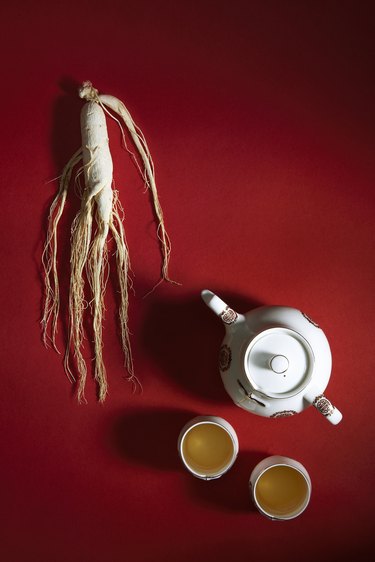
The University of Maryland Medical Center recommends steeping 2 tbsp. of fresh ginger in hot water and drinking this tisane two to three times a day to fight off cold and flu symptoms. Another option is to place ginger oil or chopped fresh ginger in a bowl of hot water, place your head over the bowl and inhale the steam. You can drape a towel over the back of your head and shoulders as you hold your head over the bowl to help concentrate the steam.

References

Article reviewed by Christine Brncik Last updated on: Apr 18, 2011

Must see: Photo Galleries