





















































5 Things You Need to Know About the Rice Diet/Duke University Diet

Text size:  |  Post a comment  |  Print  |   | 
Add to my favorites

1. Discover the Rice Diet Solution

The Rice Diet is a weight-loss plan used at the Duke Diet and Fitness Center, a residential weight-loss program. You can also do the Duke Diet on your own using a book titled The Rice Diet Solution or going to the Rice Diet Store website. In addition to eliminating obesity, the diet also prevents or treats conditions like diabetes, high blood pressure and congestive heart failure.

2. It Began With a Simple Error

The Rice Diet or Duke University Diet has been around for a long time. Walter Kempner, a researcher who was born in Germany and came to work at Duke University Department of Medicine in the 1930s, created it. When World War II started, the country needed his services as a doctor rather than as a researcher. He told one patient, a woman with very high blood pressure and kidney disease, to eat only rice and fruit for 2 weeks and return for a checkup. The woman misunderstood and ate only rice and fruit for 2 months. When she came back, her vital signs had improved dramatically, so Dr. Kempner started recommending the diet for obese patients who had hypertension, diabetes and heart disease.

3. More Than Just Rice

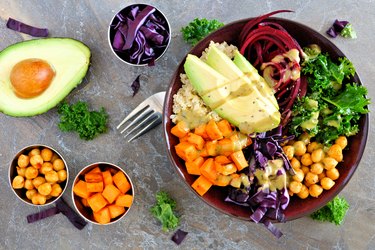
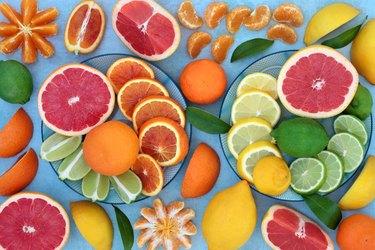
Even though it's called the Rice Diet, this diet actually includes grains, fruits, vegetables, beans, rice, olive oil and small portions of non-fat dairy, seafood and lean meat. There are two phases to the diet, and during phase one, you eat only whole grains and fruits. You will be getting very little salt in your diet during phase one. According to the doctors who recommend this diet, salt, like sugar, is a trigger that causes people to overeat. They claim that after 48 hours of eating a diet with no added salt, people are not able to eat the amount of food that they were able to eat before. They also stop having cravings and being obsessed with food. People at the weight loss clinic stay on phase one for several weeks, but it is recommended that you only limit your diet to whole grains and fruits 1 day a week if you are doing the diet at home.

4. Add Some Other Foods

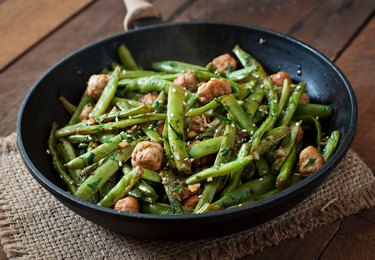
During phase two, you can add vegetables, beans and other carbohydrates to your diet. You can also eat fish once a week. You will be getting more sodium in your diet during phase two because of the vegetables you are eating.

5. See Your Doctor First

The people at Duke University suggest that you remain on a vegetarian diet until you have reached your goal weight. Then you can add in lean meat and low-fat dairy products to maintain your weight. Because the diet is so low in sodium, they also recommend that you see a physician before beginning the program.

About this Author

Angela Roe is an accomplished journalist who has published on a range of health- and sports-related topics including golf, gymnastics and BMX biking. She's a former competitor in track, swimming, gymnastics and skating. Her current interests include inline skating and playing disc golf.

Last updated on: 11/18/09

Member Comments

Tools

Track your daily calories. See how many calories you burn and consume.

BMI is a measurement of body fat based on height and weight.

Map your local running, cycling, walking and hiking routes and track your calorie burn.

Find us on the web, receive emails and use our mobile app to keep you motivated.

This tool will help you to decide whether to treat at home or see a doctor.