






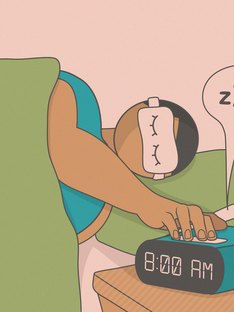



















Not getting enough sleep can have serious health consequences, such as compromised immunity, reduced energy levels, concentration difficulties and altered moods. Most people need between eight and nine hours of sleep each night, although stress, ambient noise and deficiency of certain nutrients can prevent it. Vitamin D stimulates hormones that impact the regulation of sleep.
Functions of Vitamin D
Vitamin D is essential for healthy bone growth and maintenance, strong immune response, mood regulation and hormone balance. In fact, vitamin D is considered very hormone-like in its properties and actions within the body, which is why a lack of it negatively affects sleep cycles, according to in "Human Biochemistry and Disease." Vitamin D comprises five vitamers, which are substances with very similar functions in a vitamin, but different molecular structure. The D-3 type is considered the most physiologically active and the only one synthesized within the skin in response to sunlight.
Recommendations and Deficiency
The National Institutes of Health recommend 400 IU of vitamin D daily for infants, 600 IU for adults up to the age of 70 and 800 IU for adults older than 70. Serum concentration of calcidiol is the best measure of vitamin D status and levels below 37.5 nanomoles per liter are considered deficient. The primary cause of vitamin D deficiency in the United States is lack of necessary sun exposure. In fact, it is estimated that approximately 70 percent of Americans are vitamin D deficient, as cited in "Nutrition and Public Health." African-Americans have the highest rates of deficiency because the high melanin content within their skin blocks the vital UV-B rays that are needed to produce vitamin D-3. Whether African-Americans are also the most sleep deprived has not been studied, although many factors contribute to poor sleep. In general, indoor lifestyles, fear of skin cancer, use of sunscreens and unfavorable geography prevent people from getting adequate sun exposure.
Vitamin D and Sleep
One of the many roles of vitamin D is to regulate the pineal gland's secretion of melatonin, a "master control" hormone that regulates circadian rhythms and controls the cascade of other hormones and chemicals needed for falling asleep and waking up, according to "Biochemical, Physiological and Molecular Aspects of Human Nutrition." With the help of vitamin D, melatonin is released into the blood during periods of darkness or episodes of reduced sunshine. This explains why many people have such restful sleep during a night that follows spending time in the sun. Some researchers believe that insomnia and sleep apnea are due in part to vitamin D deficiency and that spending safe amounts of time in the sun can reverse many sleep irregularities.
Vitamin D Sources and Storage
Sunshine is the best source of vitamin D, by far, because it is not found in many foods. Good sources include fatty fish, such as salmon and mackerel, beef liver, egg yolks and fortified cereals, dairy products and orange juice. All forms of vitamin D are fat soluble, which means they are stored within the body when in excess and used when needed. Consequently, deficiency symptoms, such as sleep disturbance, may take many months to develop. Other early deficiency signs include profuse sweating, heightened anxiety, fatigue, reduced appetite, mild depression, muscle cramps and sore joints.
References
- "Textbook of Medical Physiology -- Tenth Edition"; Arthur C. Guyton et al; 2000
- "Human Biochemistry and Disease"; Gerald Litwack; 2008
- National Institutes of Health: Office of Dietary Supplements: Vitamin D Fact Sheet
- "Nutrition and Public Health"; Sari Edelstein; 2006
- "Biochemical, Physiological and Molecular Aspects of Human Nutrition"; Martha Stipanuk; 2006


Member Comments