














































Ovarian Cysts Breaking After Exercise

Ovarian Cysts Breaking After Exercise
Photo Credit BananaStock/BananaStock/Getty Images

As part of the reproductive cycle, an egg forms at the surface of the ovary and is released. Eggs that fail to mature and release turn into cysts. According to MayoClinic.com, most ovarian cysts cause few symptoms and disappear within a few months without treatment. In addition, WomensHealth.gov notes most cysts are not cancerous though the the risk of ovarian cancer increases after menopause for women with ovarian cysts.

Exercise and Ovarian Cysts

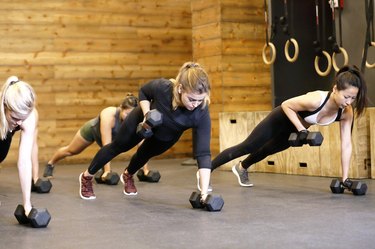
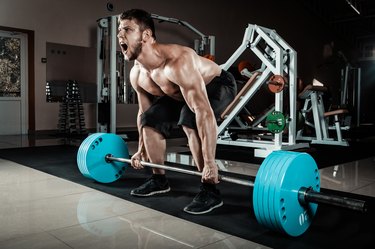
Ovarian cysts may form for a variety of reasons including lack of hormone regulation. The endocrine system produces hormones to regulate the release of the egg and the ovary also releases hormones throughout the reproductive cycle. When a cyst grows too large for the thin membrane, the cyst may break spontaneously or from strenuous exercise or minor injury.

Symptoms

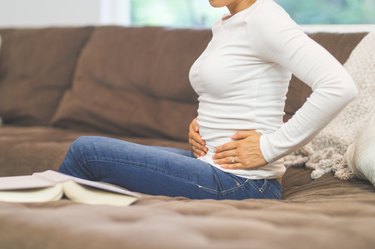
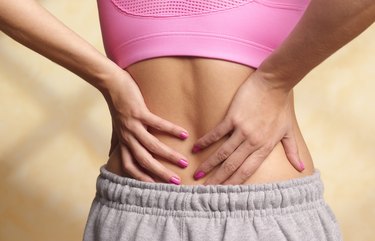
Ovarian cysts cause a variety of symptoms including changes in menstruation and pelvic pain. When an ovarian cyst breaks the pain may be severe and felt from the pelvic area into the lower abdomen and even the lower back and thighs. Signs of possible infection include fever and vomiting. If these symptoms occur alone or in combination with weakness or dizziness after exercise, seek immediate medical attention.

Treatment for Cysts

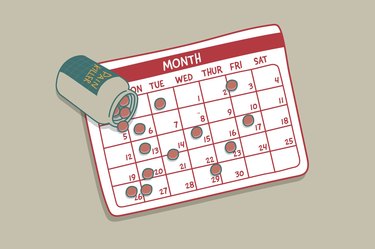
The cyst may disappear after a few months. The physician will watch for changes in size and may recommend only light exercise. Treatment options may include birth control pills or surgery to remove cysts that cause pain or grow larger.

Polycystic Ovarian Syndrome

When multiple eggs form during a cycle, none mature for release resulting in multiple small cysts. According to Monash University, women with polycystic ovarian syndrome may have as many as 15 to 30 eggs growing on an ovary at the same time. Insulin resistance and metabolic syndrome are associated with polycystic ovarian syndrome. Higher insulin levels stimulate testosterone production by the ovaries leading to abdominal weight gain. The Hormone Foundation recommends at least 30 minutes of exercise for a minimum of five days per week to help the body use insulin more effectively.

References

Article reviewed by Jessica Lyons Last updated on: Aug 11, 2011

Must see: Photo Galleries