


















Flavonoids, or bioflavonoids, refer to a class of chemically-similar compounds in certain plant foods, according to the Linus Pauling Institute Micronutrient Information Center. Various bioflavonoids may have certain health benefits; thus, to get an assortment of bioflavonoids and other beneficial nutrients, eat a balanced diet which emphasizes plant-based foods.
Citrus Fruit
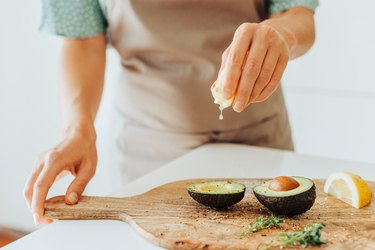
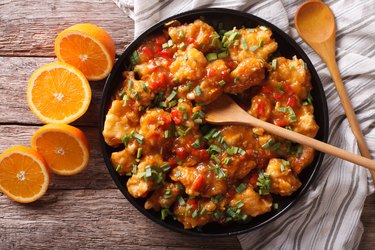
Citrus fruits, such as oranges, grapefruit and lemons and their juices, provide hesperidin, naringenin and eriodictyol, which are bioflavonoids called flavonones, according to the Linus Pauling Institute Micronutrient Information Center. Citrus fruits are good sources of vitamin C, an antioxidant, and dietary fiber, which helps regulate blood sugar levels and lowers levels of bad LDL cholesterol. High in potassium and nearly sodium-free, citrus fruits support healthy blood pressure.
Berries and Grapes
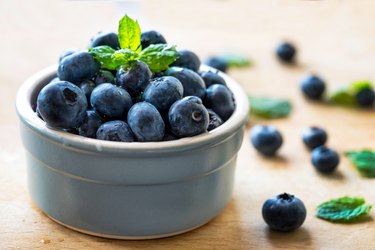
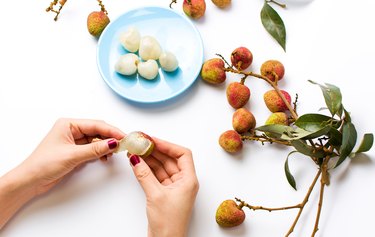
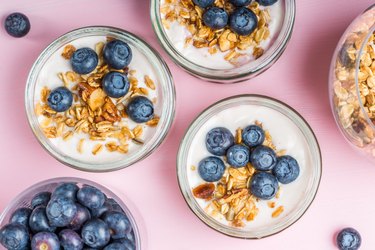
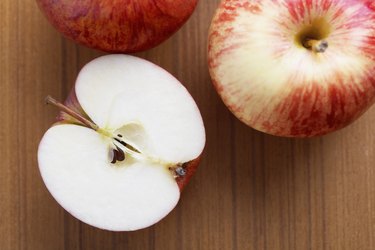
Red, purple and blue berries, grapes, grape juice and red wine provide bioflavonoids known as anthocyanidins, including cyanidin, petunidin and malvidin, according to the Linus Pauling Institute Micronutrient Information Center. They also provide bioflavonoids called flavanols, such as catechins and proanthocyanidins. Berries, such as raspberries, are excellent sources of dietary fiber and potassium, according to the 2010 Dietary Guidelines from the U.S. Department of Health and Human Services, and they are rich in vitamin C.
Soy
Isoflavones are bioflavonoids in soy-based foods such as roasted soybeans, tofu, soy yogurt, soy milk and bean curd. In smaller amounts, isoflavones occur in soy-based meat substitutes, according to the Mayo Clinic. Soy is a plant-based source of high-quality protein, which means it provides each of the essential amino acids you need to derive from diet, according to the Harvard School of Public Health. Another benefit of soy is that it is a source of heart-healthy unsaturated fats.
Vegetables
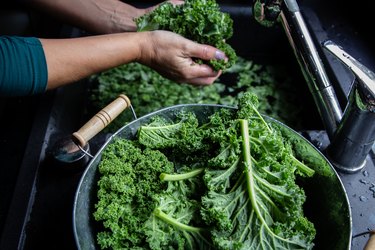
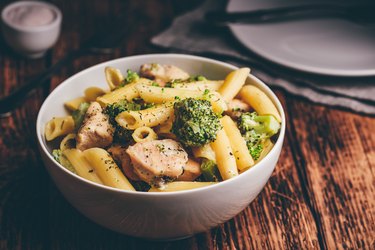
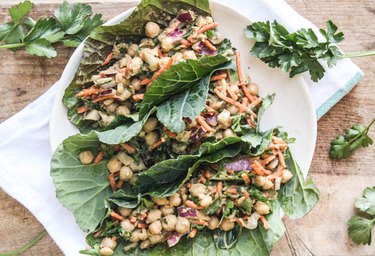
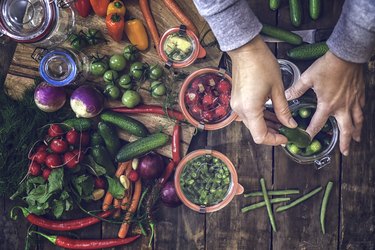
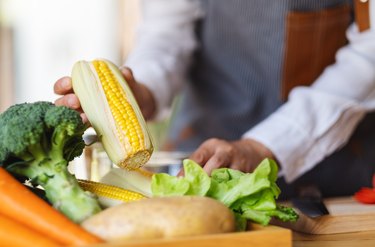
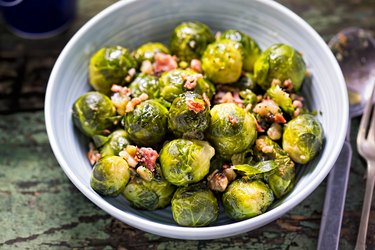
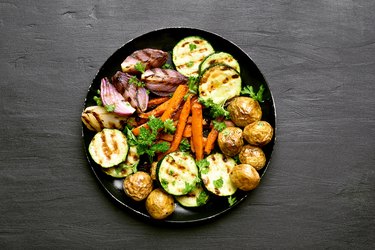
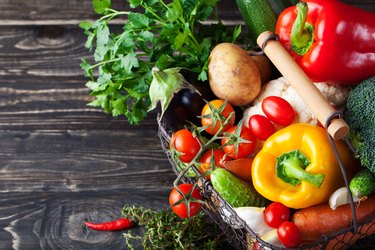
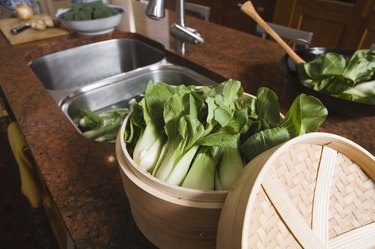
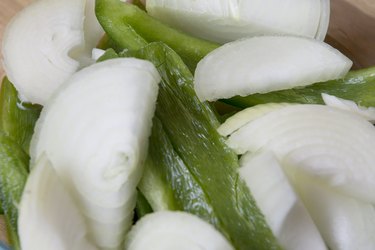
Yellow onions, kale, scallions, broccoli and teas provide quercetin, kaempferol, myricetin and isorhamnetin, bioflavonoids known as flavonols, according to the Linus Pauling Institute Micronutrient Information Center. Other bioflavonoids in tea include catechins, in green and white teas, and theaflavins and therubigins, in black and oolong tea. Parsley, hot pepper and thyme provide flavones. Many vegetables are high in dietary fiber, vitamin A, vitamin C or potassium and are low in calories.
References
- Linus Pauling Institute Micronutrient Information Center; Flavonoids; Jane Higdon; April 2005
- U.S. Department of Agriculture: Legumes and Legume Products
- U.S. Department of Agriculture: Vegetables and Vegetable Products
- U.S. Department of Agriculture: Fruits and Fruit Juices
- U.S. Department of Health and Human Services; Dietary Guidelines for Americans, 2010; January 2010
- Mayo Clinic: Soy (Glycine Max)


Member Comments