Despite what the weight-loss industry will tell you, dieting is about finding what eating style works best with your individual physiology. The Blood Type Diet is one system that attempts to do that.
The premise of naturopathic physician Peter J. D'Adamo's Eat Right 4 Your Type is that you have a unique genetic makeup predisposing you to certain chronic conditions and diseases. By eating and exercising in a manner suitable to your blood type, D'Adamo maintains that people can live healthier lives.
Video of the Day
Video of the Day
D'Adamo's O positive blood type diet focuses on lean, organic meats, fruits and vegetables while eschewing dairy, wheat, alcohol and caffeine. But blood type is only one factor of your biological makeup. Even if you are type O positive, you should consult your doctor before beginning a new diet, especially if you have any underlying health conditions.
What Is the Blood Type Diet?
First off, there are eight different blood types, depending on the presence or absence of certain markers on your red blood cells. You can have type A, B, AB or O blood based on whether you have A markers, B markers, both or neither.
Additionally, you can have either Rh positive or negative blood if you have (or don't have) Rh present. Thus, the eight blood types are A+, A-, B+, B-, AB+, AB-, O+ or O-. You need a blood test to determine which type you are.
D'Adamo's program, however, only address the top blood types — A, B, AB and O. His general advice to each is:
- Blood Type A Diet: choose a clean, organic vegetarian diet
- Blood Type B Diet: avoid corn, wheat, buckwheat, lentils, tomatoes, peanuts, sesame seeds and chicken (opting for goat, lamb, mutton, rabbit and venison instead)
- Blood Type AB Diet: combine the advice of the A and B groups
- Blood Type O Diet: focus on animal proteins and avoid dairy, gluten, lentils, corn, kidney beans and cabbage
Characteristics of People With Type O Blood
Historically, blood type O ancestors were aggressive predators. And so D'Adamo says that today's type Os are characterized by being energetic extroverts and leaders with a keen ability to focus. But blood type Os, D'Adamo says, are also prone to anger, hyperactivity and impulsiveness when under stress.
When this leads to poor diet, lack of exercise and other unhealthy behaviors, type Os may experience negative metabolic effects, such as insulin resistance, hypothyroid and weight gain. Type Os are also predisposed to certain illnesses, including ulcers and thyroid problems.
Because of their tendency toward higher levels of stomach acid, they're able to digest meals that contain both protein and fat more easily than other blood types. That also means, though, that simple carbohydrates (especially from grains) are more easily converted into fats and triglycerides.
Best Foods for O Blood Type Diet
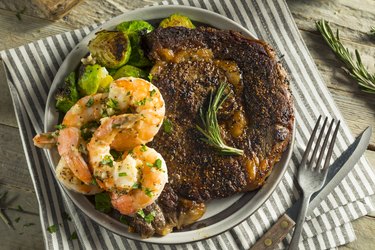
Based on the above characteristics and risk of chronic illnesses, D'Adamo outlines the following food groups that are the most beneficial for an O blood type diet.
1. Pack in the Protein
Type Os do well on a high-protein diet of lean, organic meats. The best sources are of protein for the blood type O diet include:
- Beef
- Lamb
- Mutton
- Veal
- Venison
- Cod
- Herring
- Mackerel
Blood type Os digest and metabolize meat easily, and vegetarian diets are not advised. Seafood, which is a rich source of iodine, is beneficial for type Os because iodine helps stabilize thyroid function.
In fact, blood type Os can eat any meat, fish and seafood, except for:
- Bacon
- Ham
- Pork
- Goose
- Barracuda
- Pickled herring
- Catfish
- Smoked salmon
- Caviar
- Octopus
- Conch
2. Choose Vegetables Carefully
According to D'Adamo's blood type O diet, people with type O blood need to be very picky when it comes to the types of vegetables they eat, as not all of them are beneficial. Some of the best vegetables for type Os include:
- Kale
- Collard greens
- Broccoli
- Romaine lettuce
- Spinach
- Artichokes
- Chicory
- Dandelion
- Garlic
- Horseradish
- Leeks
- Okra
- Onions
- Parsley
- Parsnips
- Red peppers
- Sweet potatoes
- Pumpkin
- Seaweed
- Turnips
The green, leafy vegetables like kale and collard greens provide vitamin K, which assists in blood clotting. That's helpful, since type Os are missing certain clotting factors.
On the flip side, type Os should not eat certain vegetables, including:
- Mustard greens
- Cabbage
- Cauliflower
- Brussels sprouts
- Alfalfa sprouts
- Shiitake mushrooms
- Fermented olives
- Eggplant
- Potatoes
- Corn
The reason? Mustard greens, cabbage and cauliflower can interfere with thyroid function, while Brussels sprouts, alfalfa sprouts, shiitake mushrooms and fermented olives can irritate the digestive tract or worsen type O hypersensitivity problems.
Additionally, D'Adamo says that eggplant and potatoes should be avoided because they can bring on arthritis in type Os and that corn can affect insulin production and lead to obesity and diabetes for this blood type.
3. Fruits to Enjoy
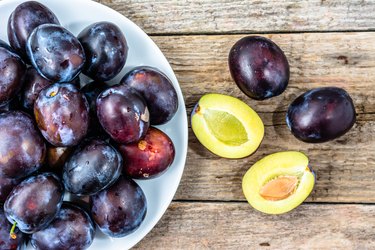
As with vegetables, those with type O blood need to be selective when it comes to the fruit they eat. D'Adamo says the best fruits for type Os are:
- Plums
- Prunes
- Figs
These help balance the acidity of the digestive tract to prevent ulcers.
However, type Os should avoid:
- Melons
- Cantaloupe
- Honeydew
- Oranges
- Tangerines
- Strawberries
- Blackberries
- Rhubarb
- Coconut
All other fruits are considered neutral for type Os, meaning you can have them (or not) according to your preferences and how you react to them.
4. Other Foods for Type Os
Type Os should strictly limit dairy, eggs and oils, but they can have:
- Butter
- Farmer's cheese
- Feta
- Mozzarella
- Goat cheese
- Soy milk
- Olive oil
- Flaxseed oils
- Canola oil
- Sesame oil
However, corn, cottonseed, peanut and safflower oils should be avoided. Additionally, people with type O blood should avoid all wheat products. Instead, they should stick with:
- Essene breads, made with sprouted grain
- Amaranth
- Barley
- Rice
- Kamut
- Kasha
- Millet
- Rye
- Spelt
Pumpkin seeds and walnuts are most beneficial for type Os, but any nuts and seeds are allowed except Brazil nuts, cashews, peanuts, pistachios and poppy seeds.