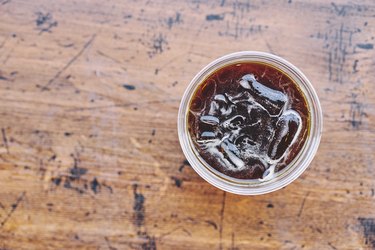
Sugary beverages do more than just add pounds to your waistline. As it turns out, there's a link between soft drinks and kidney disease. Over time, these beverages can damage your kidneys and impair renal function.
Tip
Both diet soda and sugar-sweetened beverages may increase your risk of kidney disease when consumed frequently or in large amounts. Over time, they may lead to kidney stones and renal failure.
Video of the Day
Soda Effects on the Kidneys
Soft drinks are the single largest source of sugar and calories in the American diet, reports Harvard School of Public Health. Most beverages contain 7 to 10 teaspoons of sugar per serving, which is more than the recommended daily intake.
Video of the Day
Tip
According to the American Heart Association, women should have no more than six teaspoons of sugar per day. Men, on the other hand, should not exceed nine teaspoons a day.
Diet soda isn't healthier either. According to a January 2017 cohort study published in the Clinical Journal of the American Society of Nephrology, diet beverages may increase the risk of end-stage renal disease in the long run. Subjects who reported the highest diet soda consumption were more likely to develop this disorder, which indicates a dose-response relationship. Furthermore, these drinks may impair glucose metabolism, leading to diabetes.
Dietary phosphorus, one of the primary ingredients in diet and regular soda, may affect phosphorus levels in the bloodstream and increase the acid load. This factor alone may contribute to renal damage. Additionally, diet soda may impair kidney function due to its effects on glucose metabolism.
Read more: 10 Easy Drink Swaps to Cut Down on Sugar
Another large-scale study published in the Clinical Journal of the American Society of Nephrology in January 2019 reported similar findings in regard to sugar-sweetened beverages. These products have been linked to a higher risk of chronic kidney disease in black Americans. About 6 percent of those who consumed sugary beverages developed this condition over a period of eight years.
Sugar, whether it comes from soda or sweets, may lead to insulin resistance, hypertension and weight gain. Over time, these factors may affect kidney function. Also, there appears to be a connection between dark soda and the kidneys. Cola drinks contain phosphoric acid, which can be harmful to those with polycystic kidney disease and other renal disorders.
Soda Consumption and Kidney Stones
Have you ever heard of the so-called "coke treatment" for kidney stones? This method is supposed to help dissolve kidney stones and prevent them from returning. Unfortunately, it's just a myth and can do more harm than good.
The University of Chicago warns against this practice. Coke and other soft drinks may actually cause or worsen kidney stones, while the consumption of two cans or more per day may lead to chronic kidney disease.
Kidney Health Australia explains that sugary beverages promote the formation of kidney stones. The risk increases by 23 to 33 percent in those who consume one or more sugar-sweetened beverages compared to those consuming less than one drink per week. Researchers recommend the consumption of water or low-fat milk as a healthier alternative to soft drinks.
Read more: The Top 10 Beverages to Avoid
An occasional coke or alcohol drink is unlikely to cause any harm. However, both types of beverages may indirectly affect kidney function in the long run. The sugar in these drinks may raise blood pressure, which, in turn, can lead to kidney failure, warns the American Heart Association.
All in all, plain water is the best choice. Some teas contain caffeine and may not be safe for those with chronic kidney disease. The same goes for coffee. Water, on the other hand, may lower your risk of kidney stones and help flush them out of your system.
Harvard Health Publishing recommends drinking enough water to pass around 2 liters of urine per day. A low-sodium diet may help too, especially if you're prone to kidney stones. Swap animal protein for plant-based proteins like tofu, tempeh, chickpeas and lentils. These small dietary changes may help prevent kidney stones and improve renal function.
- Harvard School of Public Health: "Sugary Drinks"
- American Heart Association: "How Much Sugar Is Too Much?"
- Clinical Journal of the American Society of Nephrology: "Diet Soda Consumption and Risk of Incident End Stage Renal Disease"
- Clinical Journal of the American Society of Nephrology: "Patterns of Beverages Consumed and Risk of Incident Kidney Disease"
- National Kidney Foundation: "Soda Pop and PKD"
- University of Chicago: "The Coke Treatment Is Useless"
- Kidney Health Australia: "The Association Between Sugar Sweetened Soft Drinks and Chronic Kidney Disease"
- Harvard Health Publishing: "5 Steps for Preventing Kidney Stones"
- European Journal of Physiology: "Salt and Sugar: Their Effects on Blood Pressure"
- American Heart Association: "How High Blood Pressure Can Lead to Kidney Damage or Failure"