If you are sensitive to sugar-alcohols -- whether you have irritable bowel syndrome or are simply intolerant to these laxative sugars -- you may have noticed that some fruits, such as apples, pears, nectarines, blackberries, avocado, cherries, lychees and watermelon contain significant amounts of sugar-alcohol. Sugar-alcohols are also added to many sugar-free products, like sugar-free gums, mints, candies and sugar-free chocolate. So read food labels to keep them out of your diet.
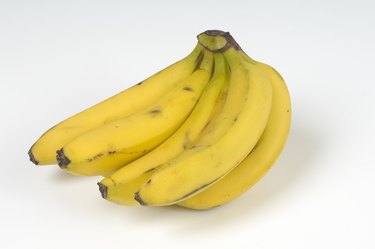
Bananas
Video of the Day
Banana contains a low amount of sugar-alcohol and can be safely eaten if you are sensitive to sorbitol or mannitol. Eat no more than one small piece of fruit at a time, because although bananas have a low sugar-alcohol content, eating too many at once can result in a high enough dose of sugar-alcohol to induce unpleasant symptoms like abdominal pain, bloating, flatulences and diarrhea in sensitive people.
Video of the Day
Blueberries and Strawberries
Instead of eating blackberries, which are high in sorbitol, choose blueberries and strawberries. They are delicious in your morning breakfast cereals or oatmeal, in yogurt, smoothies or on their own. You can also dip strawberries in melted dark chocolate for a quick and satisfying low sugar-alcohol dessert.
Cantaloupe and Honeydew
Watermelon is very high in mannitol, but cantaloupe and honeydew melon have a low sugar-alcohol content. Treat yourself to a small serving of cantaloupe or honeydew melon for a refreshing dessert -- mix them with cottage cheese or add chunks to yogurt for a satisfying snack.
Pineapple
Pineapple is low in sorbitol and mannitol. Add a few cubes to your smoothie, yogurt or cottage cheese or grill a few slices of pineapple for a fancy dessert.
Citrus Fruits
Citrus fruits contain very small amounts of sugar-alcohols and are safe to eat, in controlled amounts, if you are intolerant to sorbitol and mannitol. Choose between mandarins, grapefruit, oranges and tangelo. You can also add lemon or lime juice and zest to your water to add flavor and help you drink enough water throughout the day.
Kiwifruit
Kiwifruit is a good choice for your low sugar-alcohol diet. Add a few slices to a fruit salad to add color or simply slice your kiwifruit in half and scoop out the fruit with a spoon for a quick snack on the go.
- "Journal of the American Dietetic Association"; Fructose Malabsorption and Symptoms of Irritable Bowel Syndrome: Guidelines for Effective Dietary Management; Susan J. Shepherd and Peter R. Gibson; 2006
- "Practical Gastroenterology"; Clinical Ramifications of Malabsorption of Fructose and Other Short-chain Carbohydrates; Jacqueline S. Barrett and Peter R. Gibson; August 2007