













Nightshade Vegetables & Rheumatoid Arthritis

Nightshade Vegetables & Rheumatoid Arthritis
Photo Credit Photos.com/Photos.com/Getty Images

Rheumatoid arthritis is a disease in which your body's immune system attacks the lining of the joints of your bones, causing inflammation, swelling and pain. There is no cure for this condition, and treatment generally focuses on symptom management, using medications, exercise, therapy and if necessary, surgery. The University of Maryland Medical Center explains that diet too, may play a role in managing the symptoms of rheumatoid arthritis. Some individuals living with rheumatoid arthritis claim to experience relief by avoiding foods in the nightshade family of vegetables. Check with your doctor before making significant changes to your diet.

Nightshade Vegetables

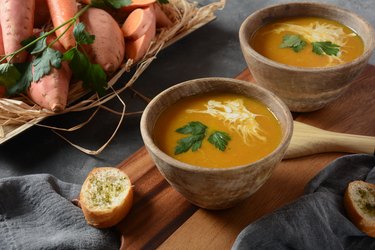
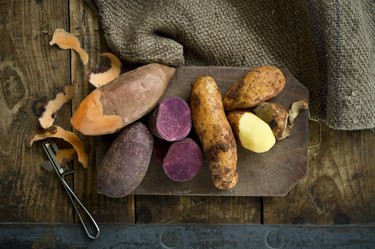
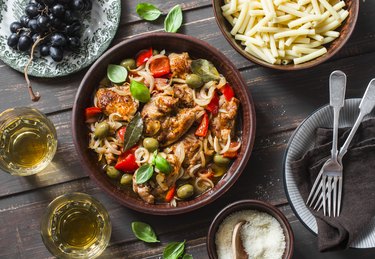
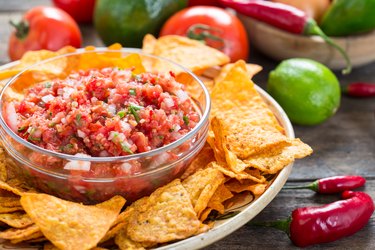
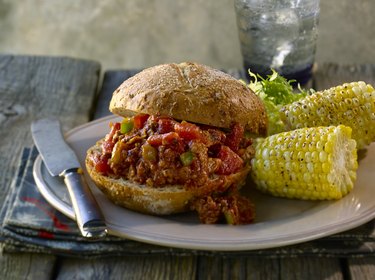
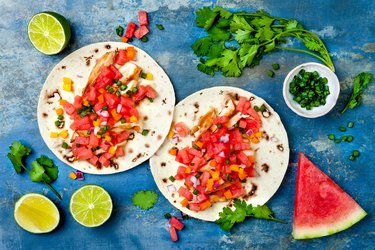
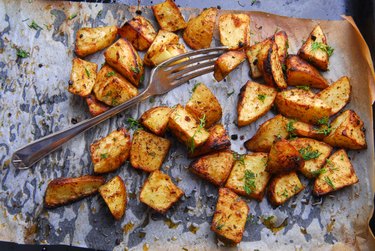
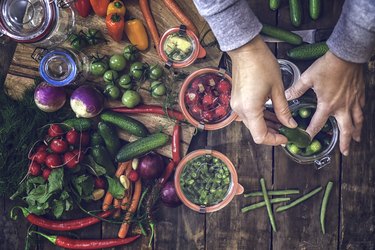
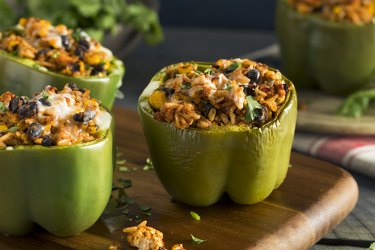
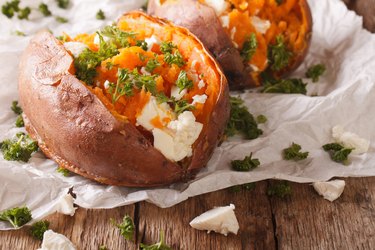
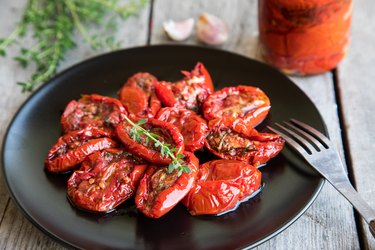
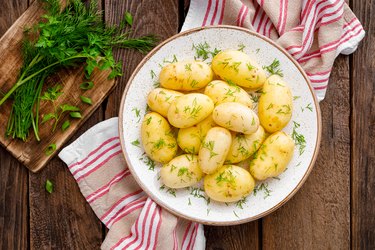
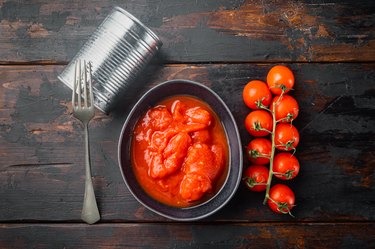
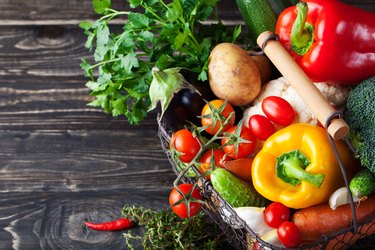
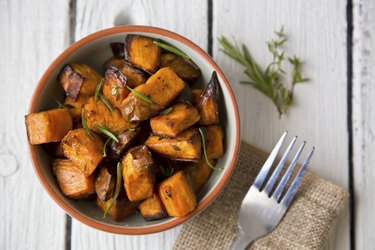
Vegetables that are members of the nightshade family, according to the Weston A. Price Foundation, include all types of potatoes except sweet potatoes and yams. Additionally, tomatoes, eggplant, chili peppers, habenero peppers and the spices cayenne pepper and paprika are nightshades. Nightshades contain a substance called calcitrol, which is a type of vitamin D. Calcitrol is also a powerful hormone that, if consumed in large quantities, may cause calcium levels in your blood to rise. The theory behind this effect is that calcium accumulates in the joints of people with rheumatoid arthritis, causing bone tissue to grow and replace cartilage.

Testing Your Sensitivity to Nightshades

Some health-care professionals and patients with rheumatoid arthritis believe that allergies to certain foods, like nightshades, precipitates a flaring of symptoms. The University of Maryland Medical Center explains that research regarding any connection between food allergies and rheumatoid arthritis is mixed. If however, you believe a nightshade food appears to be associated with an increase in your symptoms, you should avoid the food and observe any changes. This process, known as an elimination diet, should be performed under your doctor's supervision.

Pro-Inflammatory Foods

Certain foods, such as nightshades, are sometimes referred to as being "pro-inflammatory." This refers to an eliciting of chronic, low levels of inflammation that may encourage an emergence of symptoms of rheumatoid arthritis. The Harvard Medical School Family Health Guide explains that consuming refined sugars, excessive amounts of alcohol and possibly, nightshade foods, can cause your body's immune response to go on the attack, causing inflammation, pain and swelling. This is particularly true if you have a pre-existing impairment in your immune response, such as rheumatoid arthritis.

Foods To Emphasize When You Have Rheumatoid Arthritis

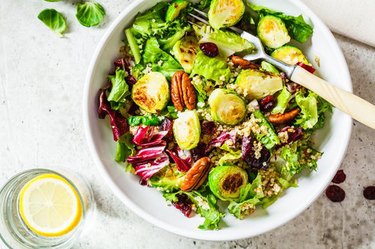
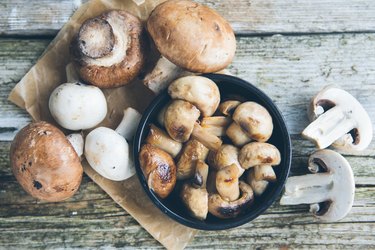
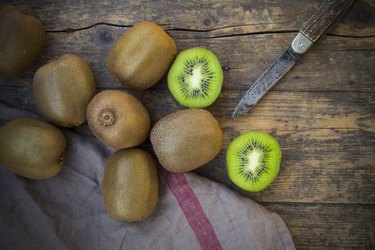
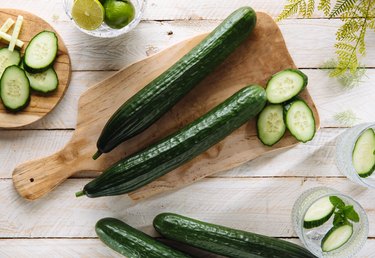
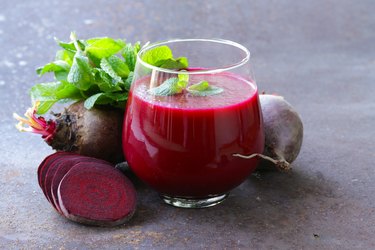
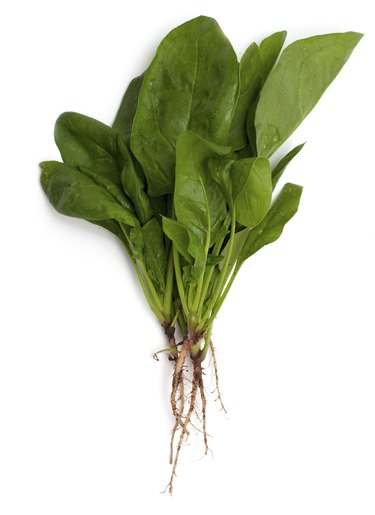
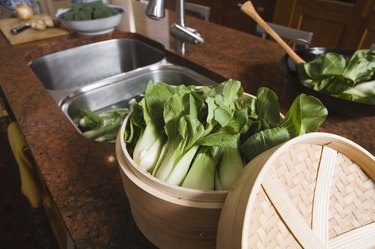
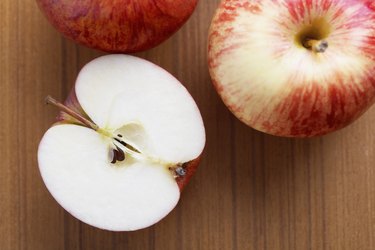
Certain foods may be helpful in decreasing the potential immune response caused by rheumatoid arthritis. According to the Harvard Medical School Family Health Guide, these foods include whole grain products, non-nightshade vegetables, fruits, nuts, cocoa and spices except cayenne and paprika. They add that these foods may help to prevent an inflammatory response and may also decrease inflammation that is already present. The popular Mediterranean diet tends to focus on foods that may decrease or prevent inflammation. However, results likely won't occur immediately, but instead, over time, as your body recovers from any damage caused by inflammation.

References

Article reviewed by GlennK Last updated on: Jun 19, 2011

Must see: Photo Galleries