
Psoriasis is a condition characterized by skin redness and irritation and is usually accompanied by thick, red skin with flaky white patches. This skin condition usually appear between the age of 15 and 35, but can affect people of all ages, according to Pubmed Health. Psoriasis attacks can be induced by infections, dry air, a cut or insect bite, stress, sunlight or alcohol, but dietary factors, such as nightshade vegetables, may also have a role to play in managing your psoriasis symptoms.
Nightshade Vegetables or Solanaceae
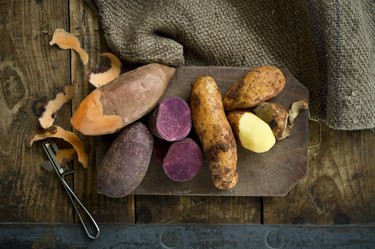
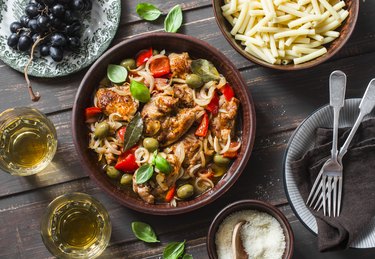
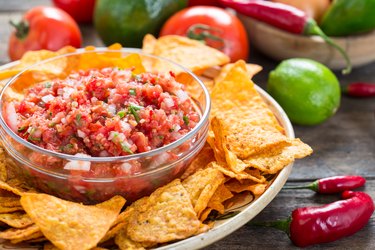
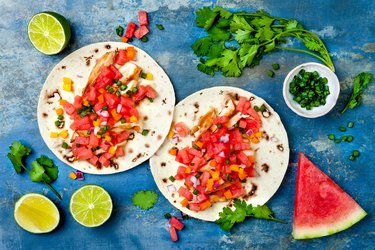
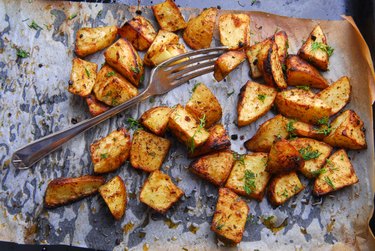
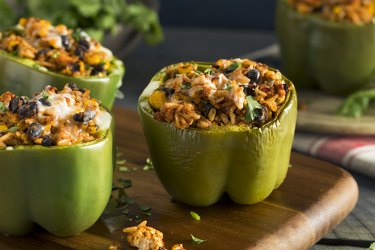
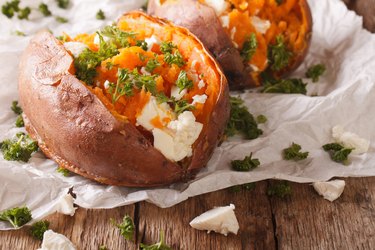
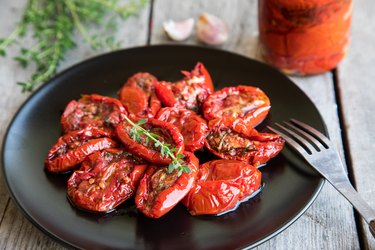
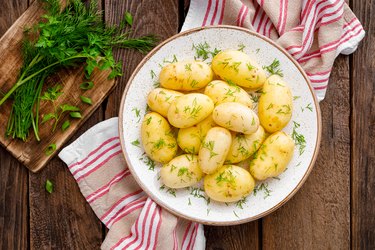
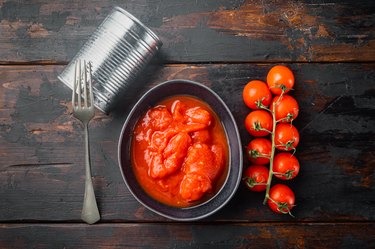
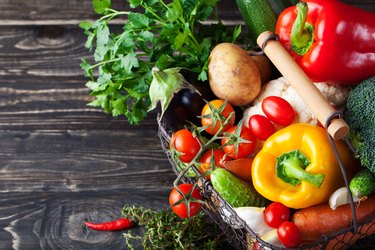
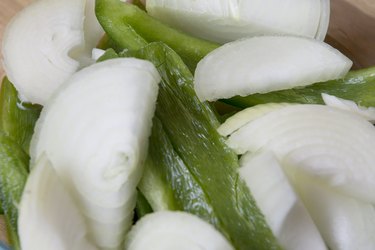
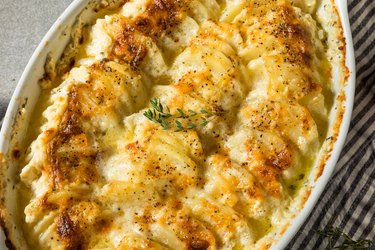
Nightshades vegetables, also called solanaceae, differ from standard vegetables because they grow during the night instead of growing during the day. Moreover, they contain a type of compound called alkaloid which can be toxic in large amounts. The nightshade vegetable family include tomatoes, potatoes, eggplant, pepper and goji. The term pepper refers not only to bell pepper, but also chili peppers, habenero peppers, cayenne pepper as well as paprika. Although potatoes of all kinds, whether they are baked, mashed, fried or used as a flour are considered nightshades, sweet potatoes and yams are not part of the nightshade family.
Nightshades Vegetables and Psoriasis
Some experts from the Meridian Institute advocate that intestinal permeability, or a leaky gut, is one of the possible cause of psoriasis. According to the theory, if you have a leaky gut, some particles of the food you eat will directly enter your bloodstream without being properly broken down, which can compromise the good functioning of your immune system. Because psoriasis is viewed as an autoimmune disorder, eliminating foods that can contribute to a leaky gut and cause inflammation, such as nightshades, could help you alleviate your psoriasis. The Meridian Institute experts recommend a diet that is free of fried foods, refined carbohydrates and nightshades vegetables to manage your psoriasis symptoms.
Give It A Try
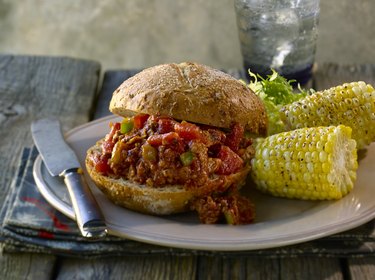
If you want to see whether nightshades vegetables contribute to your symptoms, keep them out of your diet completely for at least four consecutive weeks. Although it may be difficult to completely eliminate nightshade vegetables, the effort is worth it, because at the end of your 4-week trial, you will be able to determine the extent to which nightshades contribute to your skin problems and psoriasis symptoms. Carefully read food labels. Tomato, pepper and paprika are found in many foods, from the obvious tomato sauce and pizza to frozen entrees and the seasonings used on crackers. Be suspicious when reading ingredient lists because sometimes the ingredient "spice" may contain some type of pepper or paprika. Avoid potatoes, eggplants and goji.
What To Eat
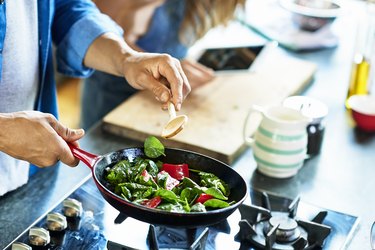
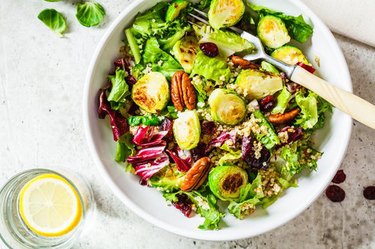
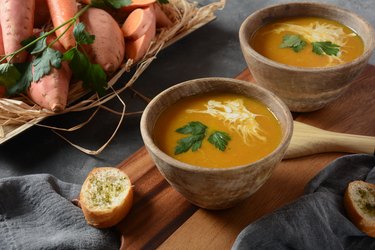
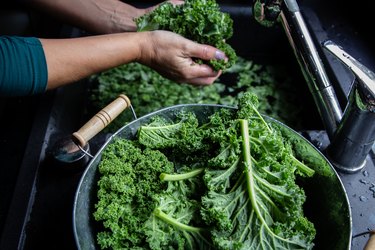
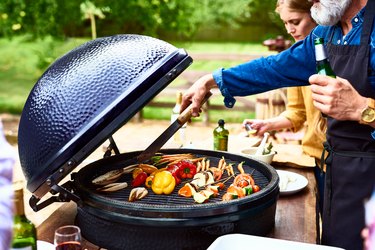
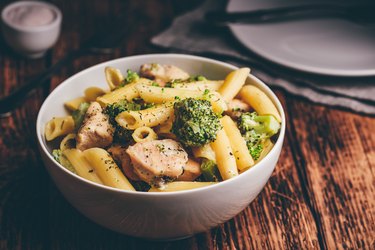
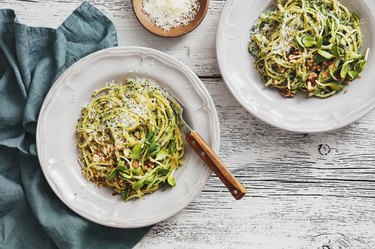
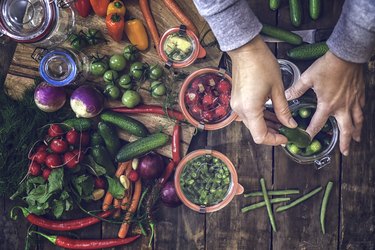
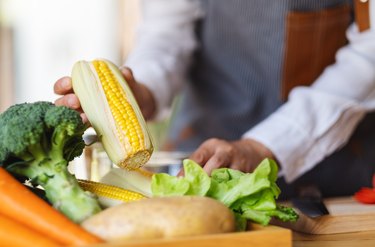
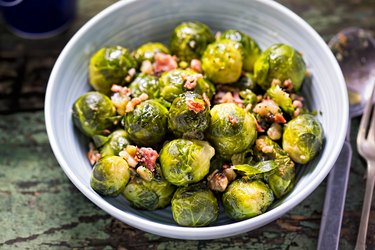
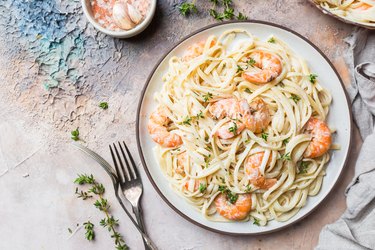
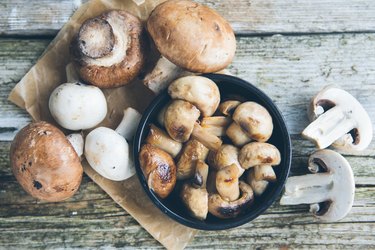
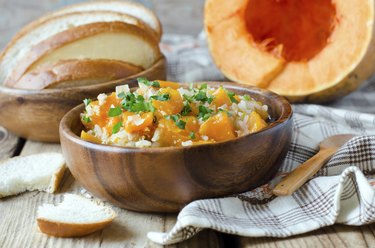
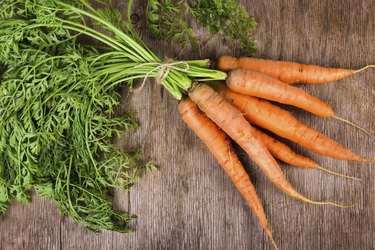
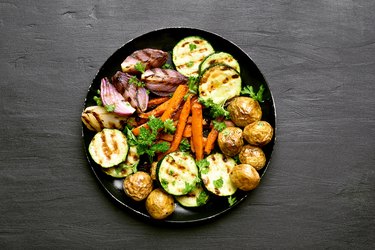
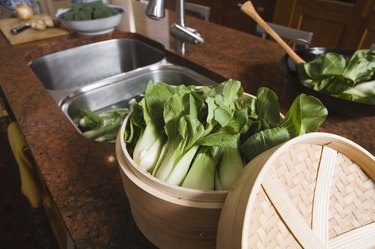
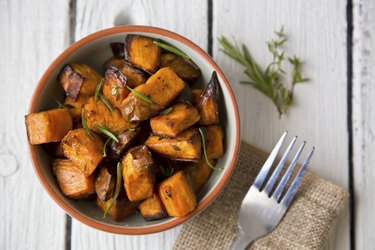
Nightshade vegetables are so prevalent in the standard American diet that you may wonder what is left to eat. Cooking at home may be the easiest option to stay away from nightshades because they are often hidden in processed foods. By cooking at home, you will have more control over the ingredient used. You can prepare your own pasta using a Alfredo sauce instead of a tomato-based sauce and you can replace potatoes with sweet potatoes or yams to make either mashed sweet potatoes or oven-baked sweet potato fries. Take advantage of this period to explore new vegetables. Instead of using nightshade vegetables, try broccoli, cauliflower, leafy greens, mushrooms, onions, bok choy, carrots, zucchini and winter squashes.


Member Comments