
































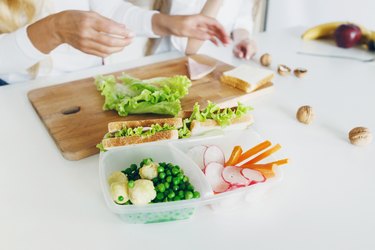





Whole foods like fruits, vegetables, nuts, seeds and whole grains are healthy options for a balanced sensory diet for children with sensory processing issues. According to William Sears, M.D., in "The NDD Book," these "real" foods can actually improve the symptoms of what he calls nutrition deficit disorders, including sensory processing issues. Junk food options like potato chips and candy, on the other hand, can actually contribute to the underlying sensory processing disorder symptoms.
Eating Food as Part of a Balanced Sensory Diet
A balanced sensory diet for children with sensory processing issues such as sensory processing disorders or sensory integration dysfunction should include a combination of alerting, organizing and calming activities. The oral motor stimulation involved in eating crunchy foods, chewy foods and foods that require a child to suck can satisfy each of these sensory needs. Foods should be selected with the individual sensory and dietary needs of the child in mind and only after consulting the child's doctor, occupational therapist or other health care provider.
Healthy Alerting Foods
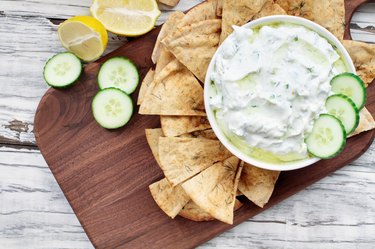
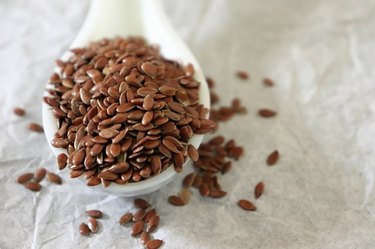
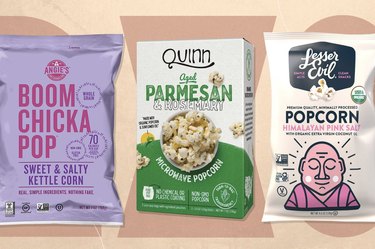
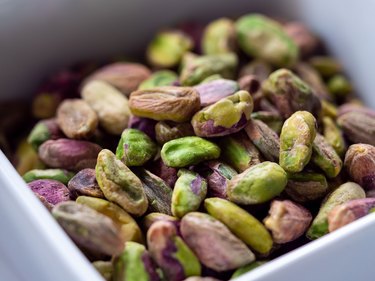
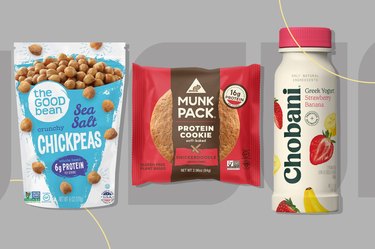
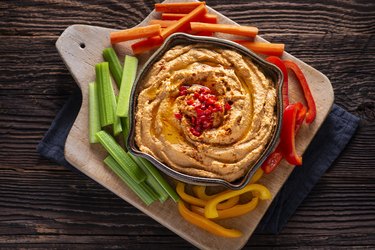
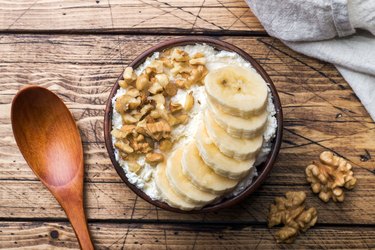
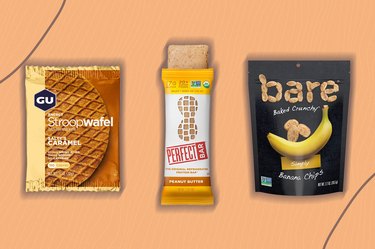
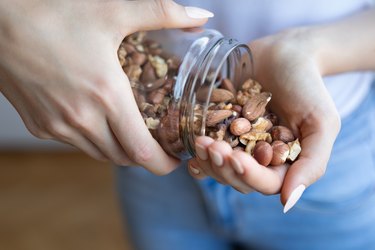
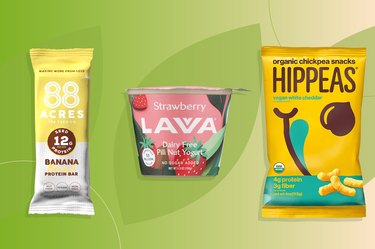
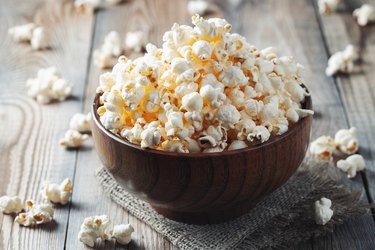
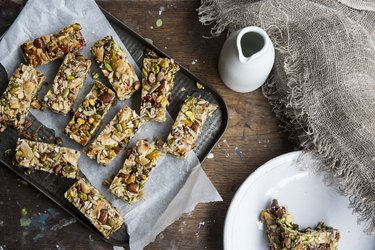
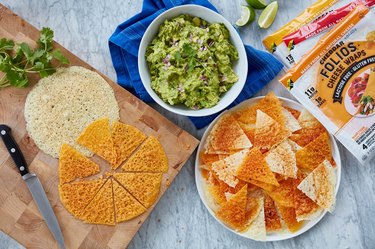
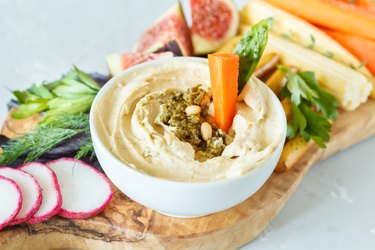
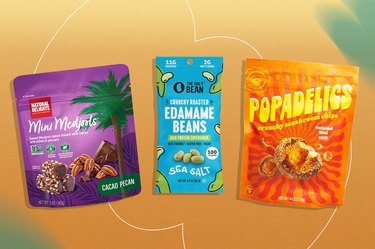
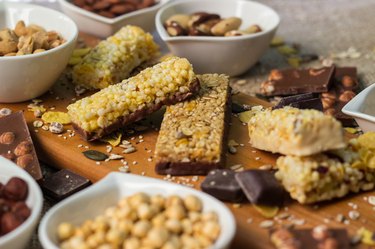
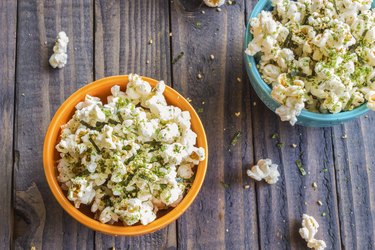
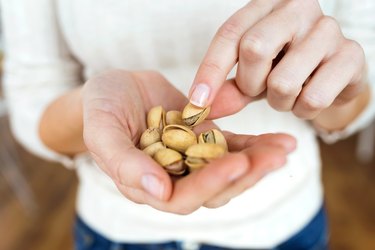
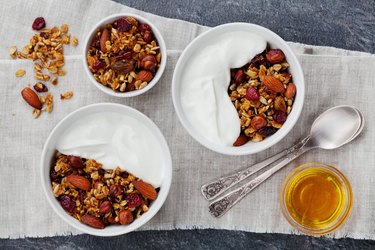
Eating crunchy foods provides an alerting activity to help energize an under-sensitive child. Healthy crunchy foods include nuts and seeds that supply both the desired sensory crunch and brain and heart-healthy fat. Crunchy raw fruits and vegetables like apples, grapes, slightly firm peaches, carrots, celery and jicama are packed with nutrients and will also alert a sluggish sensory system. While eating whole grain dry cereal is an alerting activity, the healthiest cereal choices are those with at least 3 g of protein, 3 g of fiber and 6 or less g of sugar. Other healthy crunchy food choices for a balanced sensory diet are dehydrated fruits and vegetables, air-popped popcorn, and ice cubes.
Healthy Organizing Foods
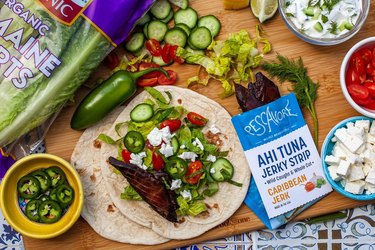
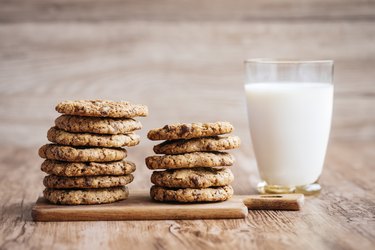
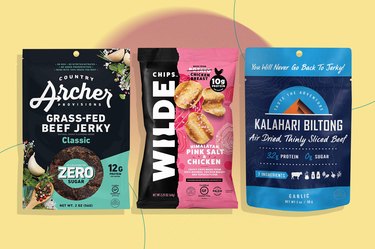
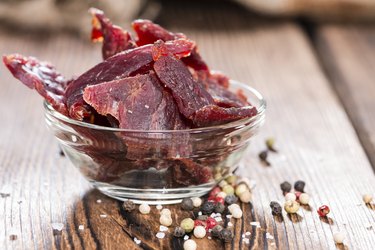
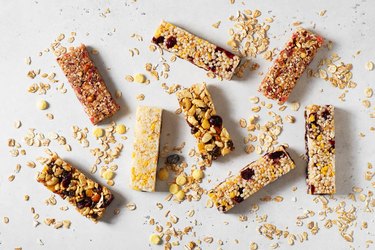
Chewy foods can organize children with sensory processing issues to help them better focus their attention to a task and regulate their sensory responses. Healthy chewy foods include dried fruit like raisins, cherries and apricots -- but be careful to choose those without added sugar, high-fructose corn syrup or oils. Fruit chews, strips or leathers made with 100 percent fruit and without added sweeteners, oils or other food additives are also popular healthy chewy choices for kids. Omega-3 and whole food-based "gummy" supplements offer parents a way to provide organizing sensory input while also meeting the nutritional needs of picky eaters. Other healthy chewy foods to support a balanced sensory diet include whole or sprouted grain bagels and bread crust and nitrate-free beef, turkey or buffalo jerky.
Healthy Calming Foods
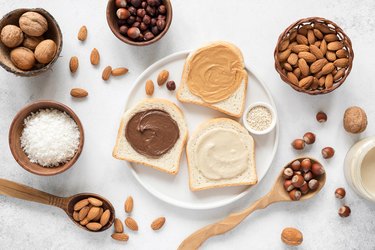
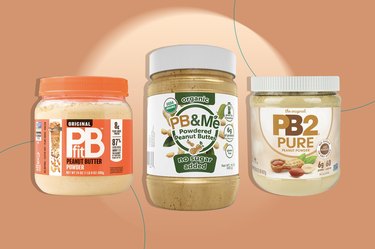
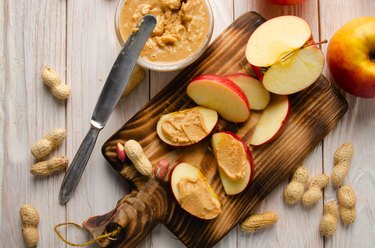
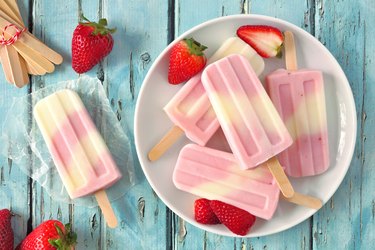
Foods that require a child to suck provide a calming activity for an over-sensitive child. Healthy foods that require sucking include nut butters, like peanut and almond butter. To find the healthiest nut butters, remember to read the label and choose all natural spreads without added oils or sugar. Frozen 100 percent fruit juice bars and ice cubes are cold calming healthy treats that many kids enjoy.
References
- "The NDD Book"; William Sears, M.D.; 2009
- "The Out-of-Sync Child"; Carol Stock Kranowitz, M.A.; 1998


Member Comments