









The Top Ten Best Anti-Yeast Foods You Should Eat All the Time

The Top Ten Best Anti-Yeast Foods You Should Eat All the Time
Photo Credit Jupiterimages/Pixland/Getty Images

Candida is a yeast-like fungus that occurs naturally in your body. Overgrowth triggers infections called candidiasis, or yeast infections, in many women and people with compromised immune systems. Treatment may include medications and lifestyle changes. Although there are no foods you should eat all the time, or foods known to eliminate yeast problems, a nutritious diet that emphasizes foods associated with improved immune function and reduced candida growth may help manage your symptoms.

Yogurt

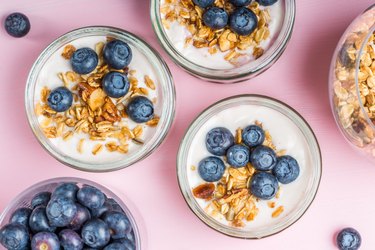
Yogurt is a top source of beneficial or friendly bacteria known as probiotics. Although research is ongoing, according to the National Center for Complementary and Alternative Medicine, probiotics may help prevent or reduce candida overgrowth and manage symptoms of vaginal and skin infections. The probiotic lactobacillus acidophilus, found in yogurt with live active cultures, may also prevent yeast infections triggered by antibiotic use.

Kefir

Kefir is a yogurt-like beverage that also contains rich amounts of probiotics. Although kefir is less commonly consumed than yogurt, it contains major probiotic strains not present in yogurt. Kefir also contains helpful yeast that may help control and eliminate harmful yeast in your body.

Red Bell Peppers

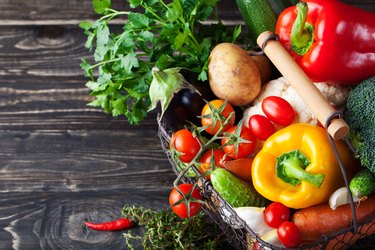
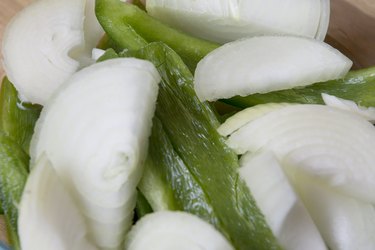
The University of Maryland Medical Center (UMMC) recommends increasing your vitamin C intake for reduced inflammation associated with candidiasis. As an antioxidant, vitamin C also helps your body resist and heal from infections. One-half cup of red bell pepper provides 158 percent of the recommended daily intake of vitamin C.

Citrus Fruits

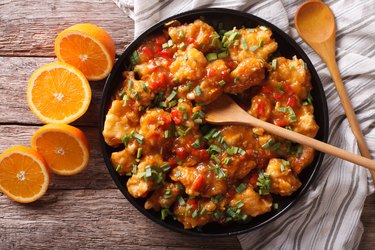
Next to red bell peppers, citrus fruits are top sources of vitamin C. Consuming one medium-size orange or 6 oz of grapefruit juice supplies 117 percent of the recommended daily intake. Additional vitamin C-rich varieties include orange juice, tangerines and tangelos.

Garlic

Garlic has such potent anti-fungal, or fungus-reducing, properties, it is considered fungicidal. The UMMC recommends incorporating garlic into your diet for reduced yeast infection frequency.

Salmon

Salmon is a top source of omega-3 fatty acids -- fats your body needs that may help reduce inflammation and boost immune function. Replacing fatty meats with lean protein alternatives, such as fish, may help manage candidiasis, according to the UMMC.

Flaxseeds

Flaxseeds are top plant sources of omega-3 fatty acids. To ensure that their components remain active, ground flaxseeds within 24 hours of use and keep them in your refrigerator. Consume flaxseeds on their own or as nutritious additions to yogurt, cereal or baked goods.

Unprocessed Grains

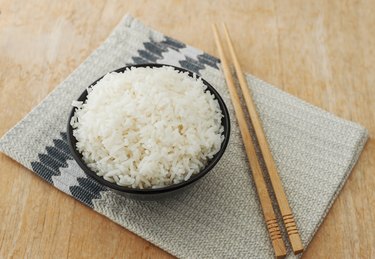
Grains provide glucose, which is your body's main dietary source of energy. Some natural health practitioners believe that the form of yeast food can increase yeast production in your body, increasing your risk for infections. Unprocessed grains are yeast-free and valuable sources of fiber and antioxidants. Pat Connolly, author of "The Candida Albicans Yeast-Free Cookbook," recommends brown rice, barley and oats as beneficial options.

Extra-Virgin Olive Oil

Extra-virgin olive oil is the freshest olive oil variety and a rich source of essential fatty acids. Connolly recommends purchasing high-quality extra-virgin olive oil, such as organic, for use in yeast-free cooking. As a healthy fat source, olive oil also helps your body absorb fat-soluble nutrients, including the antioxidant vitamin E.

Anti-Fungal Spices

Cinnamon, cloves, sage and oregano have anti-fungal properties, according to the UMMC, and may help reduce the frequency of yeast infection symptoms. Add fresh or dried anti-fungal spices to your dishes routinely for best potential results.

References

Article reviewed by Khalid Adad Last updated on: Jul 6, 2011

Must see: Photo Galleries